
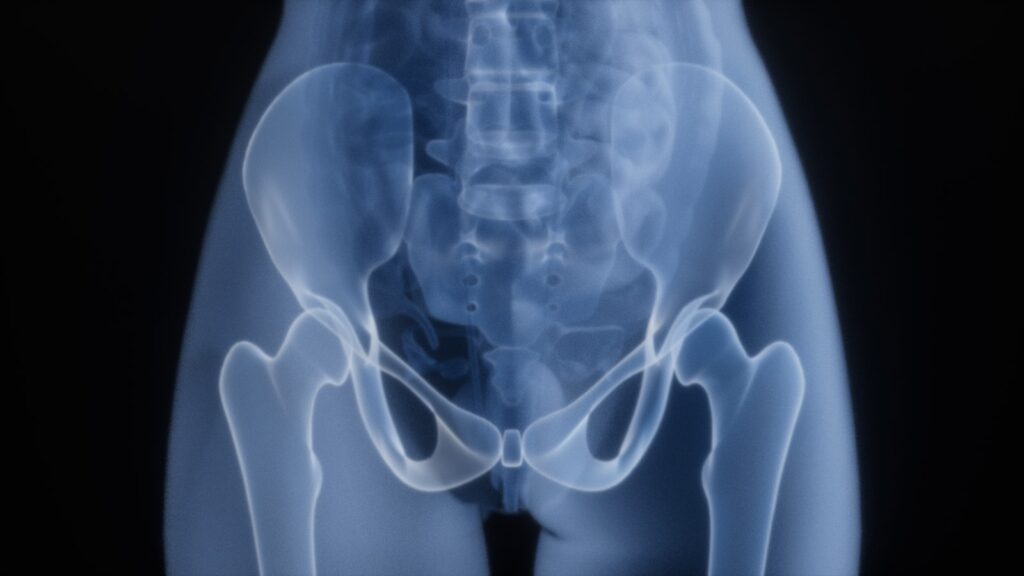
Spinal cord stimulation (SCS) is an implanted device that sends mild electrical pulses to the spinal cord to reduce certain kinds of long-standing pain. Thin wires (leads) placed near the spinal cord connect to a small battery, and the pulses block or mask pain signals so the brain pays them less attention. It is a treatment for pain that has not responded to other measures, and it typically reduces pain rather than curing it — one part of a broader pain-management plan, not a stand-alone fix.
Living with pain that’s hard to control?
Message our care team on WhatsApp. Tell us what’s going on and we’ll help you find the right pain specialist — free, with no obligation.
Chat with our care team on WhatsAppNot sure who to see? Find the right specialist →
In a medical emergency, or for severe or sudden symptoms such as breathing difficulty, chest pain, fainting or stroke signs, call 995 immediately.
After the procedure, seek urgent care for new or worsening leg weakness or numbness, loss of bladder or bowel control, a severe headache that is worse upright, or spreading wound infection — call 995 for the serious neurological signs.
How it works and who it may suit
Pain signals travel as electrical currents from the nerves up the spinal cord to the brain; the stimulator delivers its own controllable current that can interrupt or mask them. Some systems replace pain with a mild tingling, while newer ones may be imperceptible; the patient adjusts the device with a handheld remote. SCS is generally considered for adults with chronic neuropathic (nerve) pain that persists despite appropriate conventional treatment — commonly persistent leg or back pain after spine surgery, complex regional pain syndrome, and some other nerve-pain states. It is not suitable for everyone, and centres assess factors such as psychological readiness, ability to manage the device, and general fitness.
The trial comes first
SCS is done in two stages. A trial comes first: leads are placed near the spinal cord and connected to an external stimulator worn outside the body, with no battery implanted yet. The trial commonly lasts a week or two so you can judge how much your pain and function improve in daily life. If the trial gives worthwhile relief, a permanent implant is done in a second procedure, placing the leads and an internal battery under the skin. The trial is essentially the suitability test — a successful trial is the gateway to a permanent implant. Procedures are done by a pain specialist or neurosurgical team, often with imaging guidance, and the team gives individual advice on recovery and activity.
Benefits, limitations and risks
For suitable, trial-positive patients, SCS can reduce pain intensity, improve function and sometimes reduce pain-medication use. But not everyone responds — which is exactly why the trial exists — and relief can decrease over time. The device needs maintenance: charging, occasional reprogramming, and eventual battery replacement, and revision surgery is sometimes needed if a lead moves. Recognised risks include infection, lead movement or breakage, uncomfortable stimulation, and — rarely — bleeding or nerve injury. Because many systems restrict or are affected by MRI scanning and some equipment, always tell any doctor, dentist or scanning centre that you have an implanted stimulator and carry your device identification card.
How suitability is assessed
Assessment is by a pain-medicine specialist, often within a multidisciplinary pain service that may include nurses, physiotherapists and psychologists. Screening may cover psychological readiness and expectations, the ability to operate and charge the device, general health, and whether other treatments have genuinely been tried. Realistic goals are set at the outset: the aim is a meaningful reduction in pain and better function and quality of life, not a complete cure, and SCS works best alongside physiotherapy, self-management and other treatments.
Living with an implanted stimulator
If you go on to a permanent implant, a little day-to-day know-how helps you get the most from it. You control the device with a handheld remote, adjusting the stimulation within the settings your team has programmed, and rechargeable systems need topping up on a schedule you will get used to. Always carry your device identification card, and tell every healthcare provider — including dentists and imaging centres — that you have a stimulator before any scan or procedure, because MRI and some equipment can be restricted or affected. In the early weeks after implantation, follow the team’s advice on avoiding certain movements and lifting while the leads settle, as this reduces the chance of a lead moving. Keep the settings that work for you, but expect occasional reprogramming visits to fine-tune relief, especially in the first few months. It also helps to remember what the device is for: it is one part of a wider plan, and continuing with physiotherapy, staying active and using your other pain-management strategies gives the best overall result. Report any loss of relief, uncomfortable stimulation or problems at the battery site to your team, as these can often be addressed.
When to see a doctor
If you have chronic nerve-related leg or back pain that has not improved despite proper conventional treatment, ask your doctor for referral to a pain specialist to discuss whether assessment for SCS — starting with a trial — is appropriate. After a trial or implant, contact the team promptly for wound problems, loss of relief or device concerns, and treat new weakness or numbness, bladder or bowel changes, spreading infection or a severe positional headache as an emergency.
Related pain-management topics
- Neuropathic (nerve) pain
- Complex regional pain syndrome
- Myofascial pain syndrome
- Cancer pain
- Postherpetic neuralgia
- Phantom limb pain
- Coccydynia (tailbone pain)
- Nerve blocks & injections
- Opioids & chronic pain
- Fibromyalgia
- Pain specialists in Singapore
Sources
- NICE TA159 — Spinal cord stimulation for chronic pain: nice.org.uk
- Cleveland Clinic — Spinal Cord Stimulator: clevelandclinic.org
- Guy’s and St Thomas’ NHS — Spinal cord stimulation: guysandstthomas.nhs.uk
- Johns Hopkins Medicine — Treating pain with spinal cord stimulators: hopkinsmedicine.org