
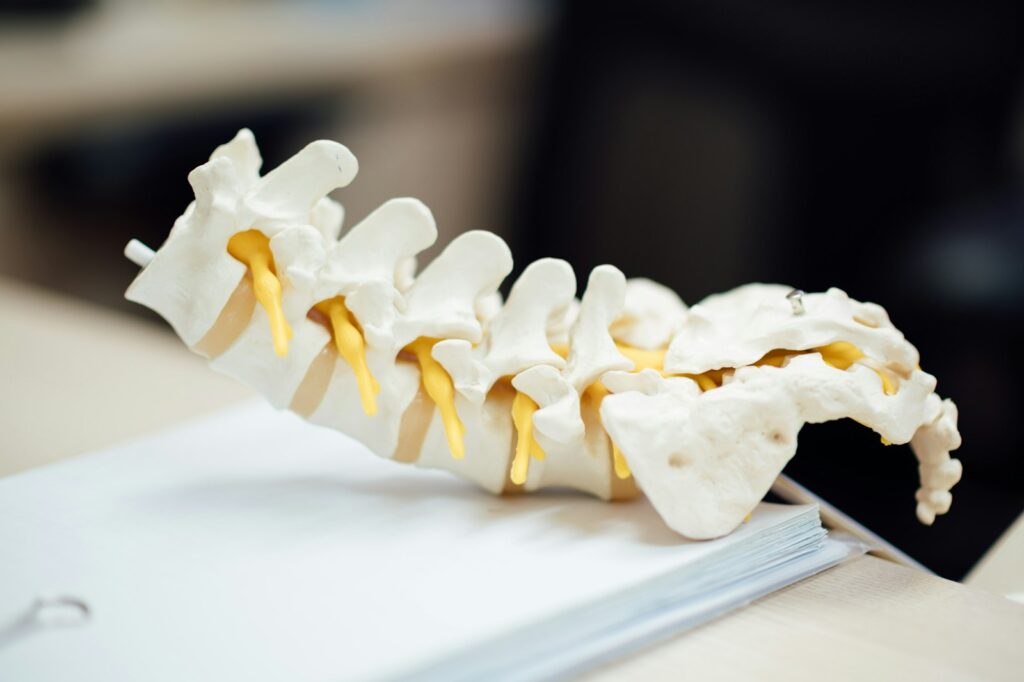
Coccydynia is pain in and around the coccyx — the small triangular tailbone at the very bottom of the spine. The pain is typically mechanical: localised to the tailbone, worse when sitting (especially on hard surfaces), and often worse when standing up from sitting. It usually comes from irritation of the coccyx and its joints after a fall, childbirth or prolonged sitting, though in some people no cause is found. Most cases are self-limiting and settle over weeks to a few months with simple measures.
Living with pain that’s hard to control?
Message our care team on WhatsApp. Tell us what’s going on and we’ll help you find the right pain specialist — free, with no obligation.
Chat with our care team on WhatsAppNot sure who to see? Find the right specialist →
In a medical emergency, or for severe or sudden symptoms such as breathing difficulty, chest pain, fainting or stroke signs, call 995 immediately.
Pain after a significant fall, with fever, unexplained weight loss, night pain, a lump, or new bladder or bowel changes or numbness around the buttocks points away from simple tailbone pain and needs review.
Common causes
The classic cause is a fall — landing hard on the tailbone, causing a bruise or, rarely, a fracture. Childbirth is a well-recognised cause in women, from pressure on the coccyx during delivery. Prolonged sitting and desk work, poor sitting posture (slouching back onto the tailbone), cycling and driving, and repetitive strain all contribute, and being significantly overweight (more pressure) or underweight (less cushioning) can play a part. Rarely, a bone spur, infection or a growth is responsible — the exceptions clinicians screen for. Coccydynia is reported to be more common in women and around middle age.
Symptoms
Typical symptoms are an aching or sharp pain at the base of the spine, worse on sitting (particularly hard seats and long periods) and often on standing up, with tenderness when the area is pressed. The pain may worsen with constipation or bowel movements and ease afterwards, and can be uncomfortable during sex in some people. It is often a dull, constant ache with intermittent sharp spikes.
Red flags
Some features point away from simple mechanical tailbone pain and need review: pain after significant trauma or a suspected fracture, or being unable to sit or bear weight; fever or feeling unwell, or redness, swelling or discharge over the area (possible infection); unexplained weight loss or a lump near the tailbone; night pain that wakes you; and new bladder or bowel changes or numbness around the buttocks or genitals, which needs urgent assessment. Numbness, pins-and-needles or weakness spreading into the legs also warrants prompt review; a new loss of bladder or bowel control with leg weakness is an emergency.
Diagnosis and treatment
Diagnosis is mainly clinical — a history of sitting-related pain and any fall or childbirth, plus gentle pressure over the coccyx to reproduce tenderness. Imaging is often not required; it is used selectively, such as an X-ray if a fracture is suspected after trauma or an MRI if red flags suggest infection or another cause. Treatment is conservative first, and the reassuring message is that most coccydynia settles. A wedge or “donut” coccyx cushion offloads the tailbone when sitting; posture and sitting habits help (sit upright with lower-back support, avoid prolonged sitting, take standing breaks, and lie on your side to reduce pressure). Physiotherapy — mobilisation of the muscles and joints around the coccyx plus pelvic-floor and postural work — is useful, alongside over-the-counter pain relief and managing constipation. For resistant cases, a corticosteroid and local-anaesthetic injection can help, and surgery to remove part of the coccyx is a rare last resort after all else has failed.
Simple day-to-day self-care
Most tailbone pain responds to consistent, simple self-care while it settles. A wedge or U-shaped coccyx cushion is the single most useful aid, taking pressure off the tailbone whenever you sit — keep one for the office chair, the car and home. Break up long periods of sitting with regular standing breaks, sit upright with your lower back supported rather than slumping onto the tailbone, and lean slightly forward or shift your weight when seated for a while. Lying on your side rather than your back reduces pressure at night. Keeping the bowels regular helps, since straining and hard stools aggravate the area, so aim for enough fibre and fluids and treat constipation early. Heat or an ice pack can ease discomfort, and gentle stretches and staying generally active prevent the surrounding muscles from stiffening. Over-the-counter pain relief such as paracetamol, used as directed, can take the edge off while you get moving again. These measures will not force a quick cure — recovery is often gradual over weeks — but used together and consistently they give most people steady improvement and make sitting through daily life far more bearable. If your work involves long periods seated, taking your cushion with you and standing for a short while each hour can make a noticeable difference.
When to see a doctor
See a doctor if tailbone pain is not improving after a few weeks of home care, or is affecting daily activities and sleep. Any red flag — trauma, fever, weight loss, night pain, a lump, or bladder, bowel or saddle-numbness changes — needs prompt review, and emergencies such as new loss of bladder or bowel control with leg weakness need 995. A pain specialist can help with injections for persistent cases.
Related pain-management topics
- Neuropathic (nerve) pain
- Complex regional pain syndrome
- Myofascial pain syndrome
- Cancer pain
- Postherpetic neuralgia
- Phantom limb pain
- Spinal cord stimulation
- Nerve blocks & injections
- Opioids & chronic pain
- Fibromyalgia
- Pain specialists in Singapore
Sources
- NHS — Tailbone (coccyx) pain: nhs.uk
- Cleveland Clinic — Coccydynia (Tailbone Pain): clevelandclinic.org
- Mayo Clinic — Tailbone pain: how to relieve it: mayoclinic.org
- Harvard Health — Treatment for coccygodynia: health.harvard.edu