
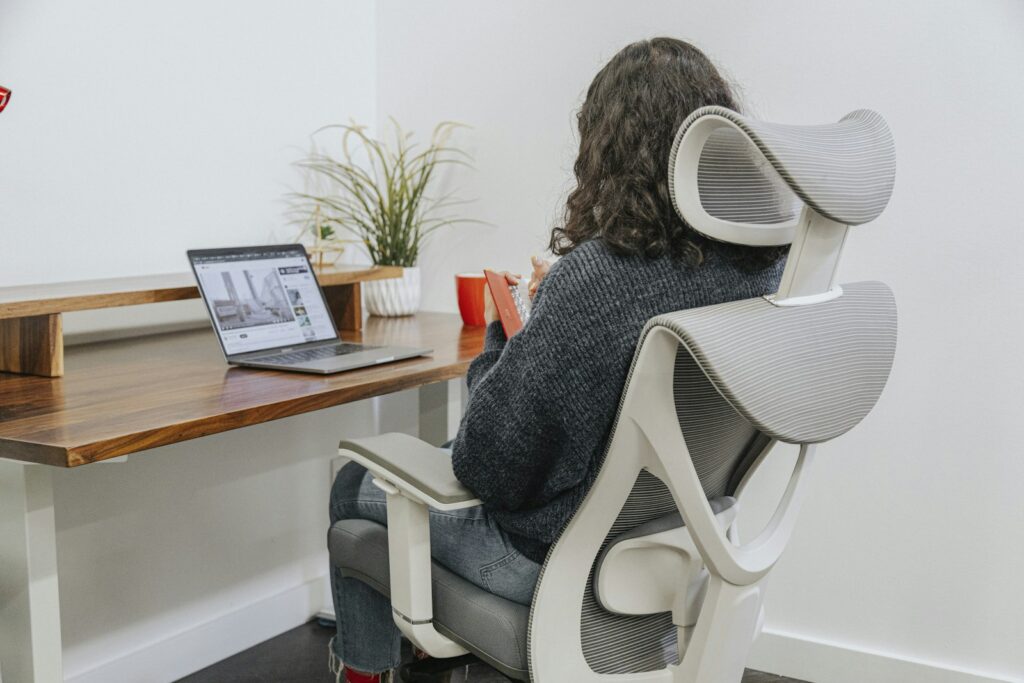
Quick answer. Tailbone pain (coccydynia) is pain at the very bottom of the spine, typically worse when sitting, leaning back while seated, or standing up. It is usually caused by a fall onto the tailbone, pregnancy and childbirth, or prolonged sitting, and often improves with simple self-care – good sitting posture, a specially shaped cushion, and not sitting for long periods. See a doctor if it is not improving after a few weeks, or sooner for fever with the pain, swelling, redness or discharge near the tailbone, or severe pain after a major fall. Any lower-spine injury with saddle numbness or new bladder or bowel changes is an emergency. This is general information, not a diagnosis.
Living with joint, back or bone pain that won’t settle?
Message our care team on WhatsApp. Tell us what’s going on and we’ll help you find the right orthopaedic surgeon — free, with no obligation.
Chat with our care team on WhatsAppNot sure who to see? Find the right specialist →
In a medical emergency, or for severe or sudden symptoms such as breathing difficulty, chest pain, fainting or stroke signs, call 995 immediately.
Where tailbone pain comes from
The coccyx is the small, triangular structure of fused bones at the very base of the spine. Pain here – coccydynia – is usually felt as a localised ache or sharp pain right at the bottom of the spine that is worse when sitting, especially on a hard surface or when leaning back, and when moving from sitting to standing. The pain comes from the coccyx and its surrounding joints, ligaments and muscles being strained or irritated. Most tailbone pain is benign and settles with simple measures, and this guide focuses on those, while flagging the less common situations – infection nearby, or a spinal injury with nerve symptoms – that need medical attention.
Common causes
The usual triggers are mechanical. A fall onto the tailbone or a direct blow is the classic cause. Pregnancy and childbirth strain the coccyx and the joints around it, and it is a recognised cause in the months afterwards. Prolonged sitting, particularly on a hard or narrow surface, and activities such as long drives or cycling, can bring it on or keep it going. Poor sitting posture and joint flexibility issues or hypermobility of the coccyx contribute, as can joint changes with age. Being significantly over- or under-weight can play a part by affecting cushioning and positioning. In many cases no single cause is found, and the pain is described as idiopathic.
The less common causes to be aware of
A few causes need attention. An infection near the tailbone, such as a pilonidal abscess just above the buttock cleft, causes pain with swelling, redness, warmth and sometimes discharge or fever, and needs medical care. Very rarely, persistent, unexplained tailbone-area pain – particularly pain at night, pain not linked to sitting, or pain with weight loss or feeling unwell – can relate to other bone problems and should be reviewed. And as with any lower-spine problem, an injury accompanied by numbness around the genitals or bottom, or new bladder or bowel changes, points to a spinal emergency rather than simple coccydynia. These are uncommon, but knowing them helps you seek the right care.
When to see a doctor
Most coccydynia does not need urgent care, but see a doctor promptly for fever together with tailbone pain, or pain also in the abdomen or lower back, which may indicate infection; for swelling, redness, warmth or discharge near the tailbone (a possible abscess); or for severe pain after a significant fall or an inability to sit or bear weight, to check for a fracture. Go to A&E, or call 995, for any lower-spine injury accompanied by saddle numbness or new loss of bladder or bowel control, as this can be a spinal emergency. On a routine basis, see a GP if the pain is not improving after a few weeks of home care, is affecting daily life, or is persistent, unexplained or worse at night.
Safe self-care
For ordinary coccydynia, simple measures usually help. Sit with good posture and your lower back supported, and use a specially shaped cushion – one with a cut-out or relief at the back – to take pressure off the tailbone. Lie on your side to relieve pressure, and try pelvic-floor exercises. Apply an ice or heat pack for short periods for comfort. For pain relief, ask a pharmacist about a suitable simple painkiller or anti-inflammatory, described by class only, and follow the advice. If passing stool is painful and constipation is making things worse, ask a pharmacist about softening measures. The main thing to avoid is sitting for long unbroken periods – stand and move regularly.
Getting it checked and treated
A doctor will ask how the pain started, what makes it worse, and about any injury, childbirth or infection features, and examine the area. Coccydynia is often diagnosed from the history and examination; where an injury or another cause is suspected, a doctor may arrange imaging. Most coccydynia is managed without surgery. For persistent cases, a doctor may offer physiotherapy or an injection, and rarely surgery is considered – framed as options a doctor may discuss, not guaranteed outcomes. In Singapore, a GP or polyclinic is a good first stop and can refer to physiotherapy, or to orthopaedic or pain-management services if the pain is persistent or severe.
Reducing your risk and recovery
You can ease and help prevent tailbone pain by managing how you sit. Break up long periods of sitting, use a supportive or specially shaped cushion where you sit for long stretches, and keep good posture with the lower back supported. Strengthening the core and pelvic-floor muscles can help, and easing back gradually into activities such as cycling reduces flare-ups. Treat constipation early if straining aggravates the pain. Recovery can take time, and it is normal for coccydynia to settle gradually rather than suddenly. See a doctor if it is not improving after a few weeks, or sooner if any of the infection or injury red flags appear, so the cause can be confirmed and other treatments considered.
Related pain & joint topics
- Elbow pain
- Forearm pain
- Upper arm pain
- Finger pain
- Rib & chest-wall pain
- Calf pain
- Shin pain
- Thigh pain
- Buttock pain
- Shoulder pain
- Hip pain
- Knee pain
- Hand & wrist pain
- Lower back pain
- Sciatica
- Orthopaedic surgeons in Singapore
- Pain specialists in Singapore