
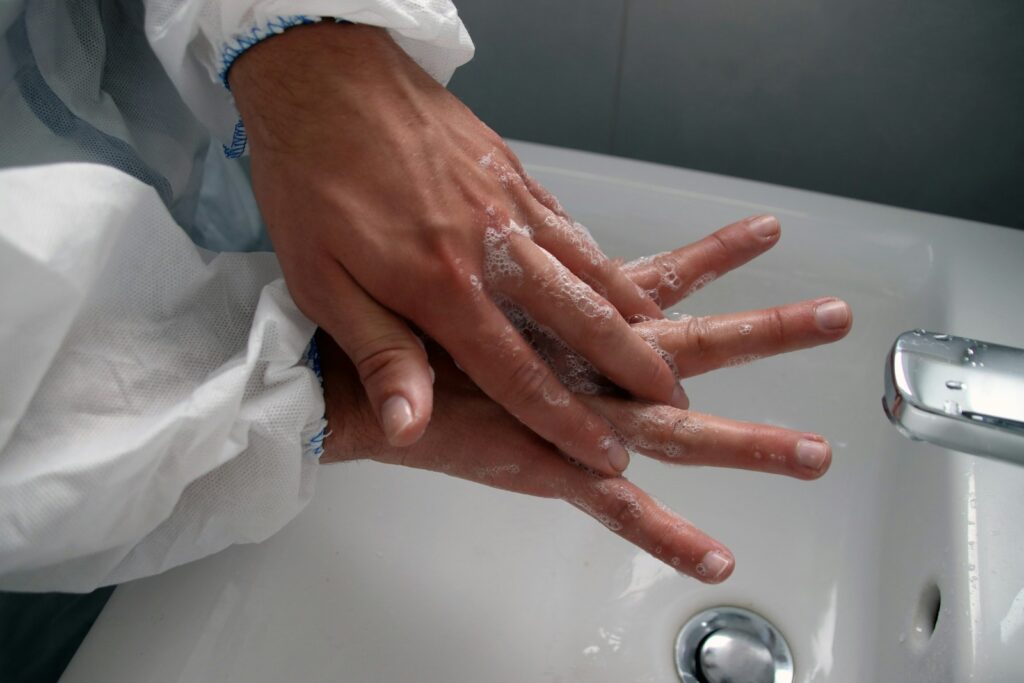
A hospital-acquired infection — also called a healthcare-associated infection — is an infection that develops while, or soon after, receiving health care, and was not present when you came in. Germs can spread through unclean hands, shared equipment, or the tubes and wounds that are part of hospital care. The reassuring and empowering point is that most of these infections are preventable, and patients and families are active partners in preventing them — hand hygiene, asking questions and speaking up all genuinely help. This guide explains the common types, why patients are vulnerable, how infections are prevented, and the warning signs of sepsis to act on.
Not sure which gp clinic you need?
Message our care team on WhatsApp. Tell us what’s going on and we’ll help you find the right gp clinic — free, with no obligation.
Chat with our care team on WhatsAppNot sure who to see? Find the right specialist →
In a medical emergency, or for severe or sudden symptoms such as breathing difficulty, chest pain, fainting or stroke signs, call 995 immediately.
Sepsis is the body’s extreme, life-threatening response to infection. Call 995 or go to the nearest A&E if you or a patient has fast breathing or breathlessness, confusion or slurred speech, a very high or very low temperature with shivering, blue, grey, pale or blotchy skin or lips, or simply feels very unwell with extreme pain. Also seek same-day review for a wound that is increasingly red, swollen or leaking pus with fever.
What a hospital-acquired infection is
A hospital-acquired infection is one that a patient picks up during or shortly after a hospital stay, rather than the condition they came in with. It can appear days after a procedure, or even after you have gone home. Germs spread mainly through hands that have not been cleaned, and through equipment, wounds and devices that give bacteria a way in. Understanding this is the foundation for prevention, because it shows exactly where the simple habits — clean hands, careful device care — make the biggest difference.
The common types, in plain terms
A few types are worth knowing about, described calmly rather than alarmingly. A surgical-site infection develops at an operation wound. A catheter-associated urinary infection is linked to a urinary catheter. A bloodstream infection can be linked to a drip or line placed into a large vein. And pneumonia can be linked to a breathing machine in intensive care. Each is a recognised risk that hospitals actively work to prevent, and knowing the names helps you understand why staff take particular precautions with your wound, drip or catheter.
Antibiotic-resistant germs
You may hear about germs that have become resistant to some antibiotics. MRSA is a common skin and nose germ that has become resistant to several antibiotics; many people carry it with no symptoms at all, and staff take precautions to stop it reaching wounds or lines. C. difficile, or C. diff, is a gut germ that can cause diarrhoea and inflammation of the bowel, most often during or soon after a course of antibiotics. Rather than being cause for alarm, these are the main reason it matters to use antibiotics only as prescribed — which protects you and everyone around you.
Why hospital patients are more vulnerable
Several things make hospital patients more prone to infection at once. Breaks in the skin — surgical wounds, drips, lines and catheters — give germs a way into the body. Illness, surgery, cancer treatment or older age can weaken the immune system. Being among other unwell people and using shared equipment increases exposure, and antibiotics themselves can disturb the body’s normal protective bacteria. Because these factors combine, hospitals build in layers of prevention rather than relying on any single measure.
How hospitals prevent infections
Hospitals prevent infections in several ways: staff clean their hands before and after touching you or a device; procedures are done with sterile technique; some patients are screened or swabbed for resistant germs before surgery; catheters and lines are removed promptly once no longer needed; rooms and equipment are cleaned; and antibiotics are used carefully, the right one only when needed. Much of this happens quietly around you, and it is the everyday backbone of keeping patients safe.
What you and your family can do
This is where you make a real difference. Clean your own hands before eating and after using the toilet, and know that it is completely acceptable to ask any staff member or visitor to clean their hands — a polite “would you mind cleaning your hands first?” is a recognised part of safe care, not rudeness. Do not touch or fiddle with your dressings, drips or catheters; keep wounds clean and covered; and ask each day whether a catheter or line can be removed yet. Tell the team about any recent hospital stays or past resistant infections. Visitors should clean their hands on entering and leaving, stay away if they are unwell with fever, cough, cold, diarrhoea or vomiting, avoid sitting on the bed, and follow any isolation-room signs.
Antibiotics, sepsis red flags and the Singapore picture
Take any antibiotics exactly as prescribed, never share or save them, do not pressure a clinician for them, and report side effects such as diarrhoea. Know the sepsis warning signs: fast breathing or breathlessness, confusion or slurred speech, a very high or very low temperature with shivering, blue, grey, pale or blotchy skin or lips, or feeling very unwell — these need emergency help, so call 995. Three or more episodes of diarrhoea in a day while or after taking antibiotics can point to C. diff and should be reported. In Singapore, hospitals run hand-hygiene and infection-control programmes, provide hand-rub dispensers at ward entrances — do use them — and isolate patients with certain resistant germs, and antimicrobial resistance is a recognised national priority. The reassuring bottom line is that hospital infections are largely preventable, and the most powerful tools are the simplest: clean hands, careful device care, sensible antibiotic use, and a willingness to speak up.
Related hospital stay topics
- Being admitted to hospital
- What to bring to hospital
- Understanding your hospital team
- Your medicines in hospital
- Pain management in hospital
- Preventing falls in hospital
- Preventing blood clots (VTE)
- What to expect in intensive care
- Being discharged from hospital
- Patient rights & responsibilities
- GP clinics in Singapore