
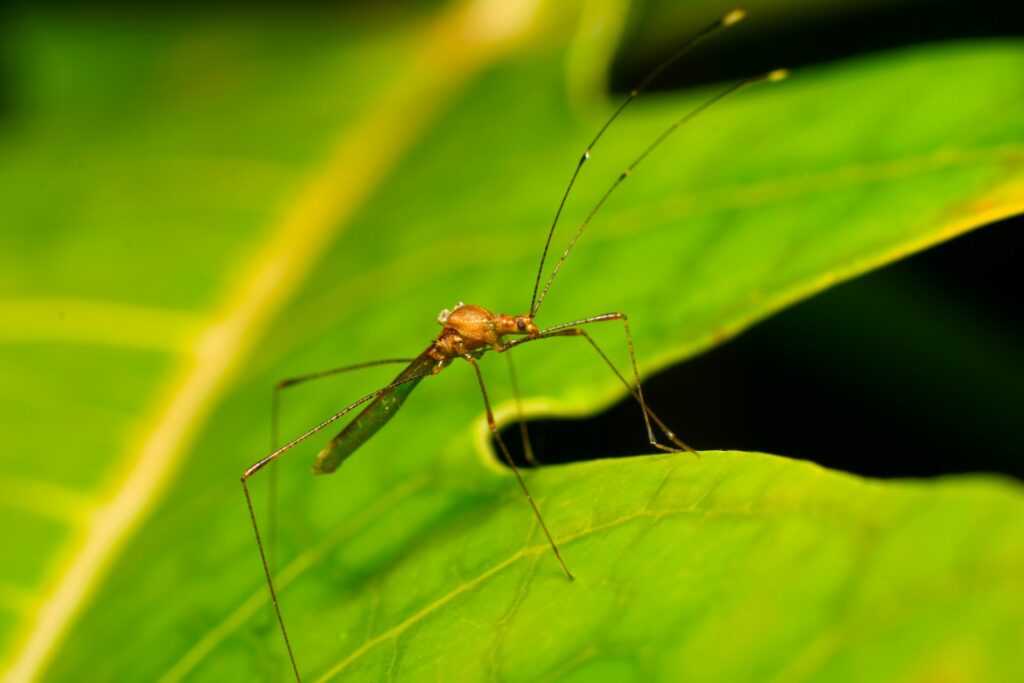
Many serious travel infections — malaria, dengue, Zika, chikungunya, Japanese encephalitis and others — are spread by insect bites, chiefly mosquitoes. For several of these there is no vaccine or tablet that gives complete protection, so avoiding bites is the single most important defence, and it protects against several diseases at once. No single measure is fully protective, so the key is to combine repellent, clothing, nets and sensible accommodation choices.
Not sure which travel clinic you need?
Message our care team on WhatsApp. Tell us what’s going on and we’ll help you find the right travel clinic — free, with no obligation.
Chat with our care team on WhatsAppNot sure who to see? Find the right specialist →
In a medical emergency, or for severe or sudden symptoms such as breathing difficulty, chest pain, fainting or stroke signs, call 995 immediately.
Fever after travel to a malaria area is a medical emergency — malaria can be rapidly fatal. Seek care promptly, during or up to weeks or months after travel, and tell the doctor your travel history so you can be tested urgently.
Which diseases are bite-borne
Mosquitoes spread malaria, dengue, Zika, chikungunya, JE, yellow fever and more, while ticks, sandflies and other insects spread certain other infections relevant to some destinations and activities. Vaccines exist for some (such as JE and yellow fever) and tablets for malaria prevention, but for dengue, Zika and chikungunya, bite avoidance is the main protection — a reason not to rely on vaccines or tablets alone.
How repellents work
Repellents make skin less detectable to biting insects, reducing landing and biting; they reduce but do not eliminate risk, and do not replace antimalarial tablets where malaria is a risk. Recommended active ingredients are DEET (the most studied first choice, with higher concentrations lasting longer — UK guidance commonly cites up to about 50% for adults in malaria areas), picaridin (an effective, often more pleasant alternative), and some formulations of IR3535 or oil of lemon eucalyptus. Apply repellent to all exposed skin after sunscreen (sunscreen first, then repellent on top), reapply per the label and more often with sweating or swimming, and do not spray under clothing.
Day-biting versus night-biting
Timing matters because different mosquitoes carry different diseases. Aedes mosquitoes, which spread dengue, Zika and chikungunya, bite mainly in the daytime, peaking in early morning and late afternoon, so daytime protection matters. Anopheles mosquitoes, which spread malaria, bite mainly at night, which is why bed nets and covering up after dark matter in malaria areas, while Culex mosquitoes (JE) tend to bite in the evening and night in rural areas. In areas with both dengue and malaria, all-day protection is needed.
Nets, clothing and accommodation
Insecticide-treated bed nets are important where malaria or night-biting mosquitoes are present, especially if rooms are not screened or air-conditioned — tuck the net under the mattress and check for holes. Wear loose, long-sleeved tops and long trousers in light colours, and consider treating clothing and gear with permethrin (applied to fabric, not skin). Choose air-conditioned or well-screened rooms with intact screens, and use a plug-in insecticide or knockdown spray indoors where appropriate. Combining these layers — repellent, covering clothing, treated net and screened room — is far more effective than any one alone.
Red flags and Singapore context
Fever after travel to a malaria area is a medical emergency, because malaria can progress rapidly and be fatal; anyone who develops fever, chills or a flu-like illness during or up to weeks or months after such travel must seek care promptly and state their travel history so malaria can be tested for urgently. Fever after travel to a dengue area also needs assessment, with immediate care for dengue warning signs such as severe abdominal pain, persistent vomiting, bleeding, or lethargy. Remember that Singapore itself has dengue and chikungunya, so removing stagnant water and avoiding bites apply at home too, and a returning traveller who is infected can seed local transmission. Call 995 for an emergency.
A practical daily routine
Bite prevention works best as a simple daily habit rather than an afterthought. In the morning, apply repellent to all exposed skin after sunscreen, and reapply through the day as the label directs, more often if you are sweating or swimming. In areas with daytime-biting Aedes mosquitoes, keep this up all day; where malaria or JE is a risk, be especially diligent from dusk onwards, covering up with long sleeves and trousers in the evening. At night, sleep in an air-conditioned or well-screened room, or under an insecticide-treated bed net tucked under the mattress if the room is not sealed. Treating clothing and gear with permethrin adds another layer for higher-risk trips. Check your accommodation for intact window and door screens on arrival, and use a plug-in insecticide indoors where appropriate. These same habits are worth keeping up back home during dengue season, since Singapore has Aedes mosquitoes too, and a returning traveller who is infected can seed local spread, so keeping up repellent and covering up for a week or two after returning from a dengue area is a sensible precaution.
When to see a doctor
Before travel, see a travel clinic or GP for a risk assessment, repellent and net advice, malaria tablets and vaccines — ideally four to six weeks ahead. Urgently during or after travel, seek care for any fever or flu-like illness after visiting a malaria area and mention your travel, and get immediate care for dengue warning signs.
Related travel-health topics
- Pre-travel health advice
- Travel vaccinations
- Travellers’ diarrhoea
- Food & water safety abroad
- Altitude sickness
- Motion sickness
- Travel-related DVT
- Rabies
- Japanese encephalitis
- Travelling with medication
- Malaria prevention
- Travel clinics in Singapore
Sources
- NHS Fit for Travel — Insect Bite Avoidance: fitfortravel.nhs.uk
- CDC Travelers’ Health — Avoid Bug Bites: cdc.gov
- HealthHub (Singapore) — Travel Medicine and Vaccination: healthhub.sg
- NEA (Singapore) — Prevent Aedes Mosquito Breeding: nea.gov.sg