
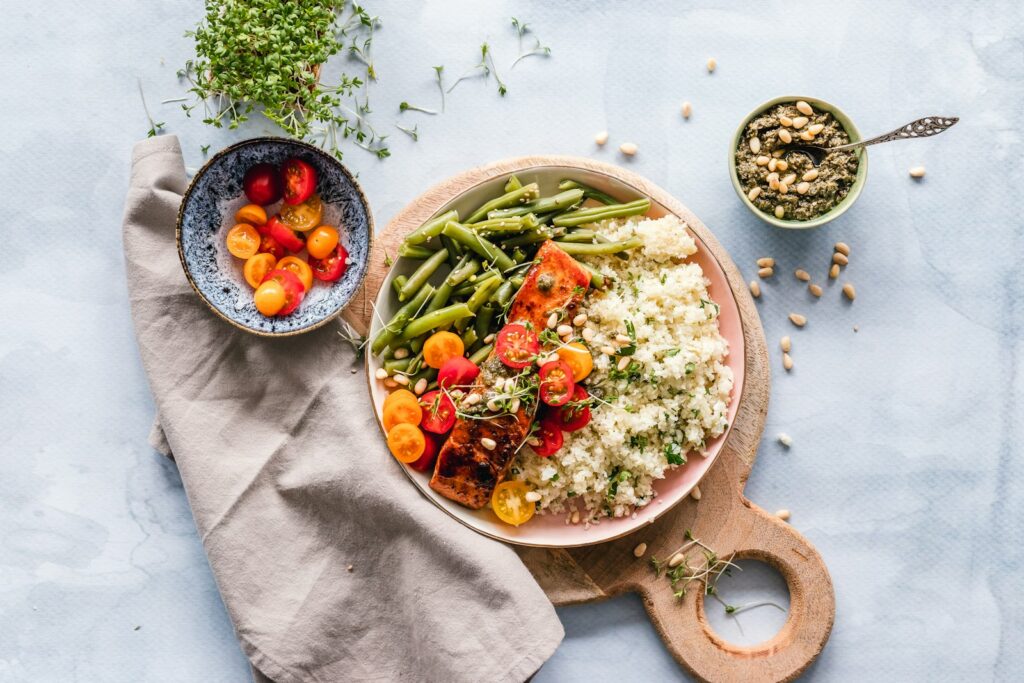
Good nutrition during and after cancer treatment helps the body cope with treatment, heal and keep muscle and strength. It is not a special “anti-cancer” diet — it is practical eating adjusted to whatever symptoms a person is having, and needs change week to week. A key point that reverses usual advice: during treatment with appetite loss, small, frequent, energy- and protein-dense meals are actively encouraged, not restriction. Weight and muscle loss are common and should be flagged early, and a dietitian is central to care.
Want practical, personalised help with food and nutrition?
Message our care team on WhatsApp. Tell us what’s going on and we’ll help you find the right dietitian — free, with no obligation.
Chat with our care team on WhatsAppNot sure who to see? Find the right specialist →
In a medical emergency, or for severe or sudden symptoms such as breathing difficulty, chest pain, fainting or stroke signs, call 995 immediately.
Coming to Singapore from overseas for treatment? See our guide for international patients — costs, visas, travel and language support — or chat with our care team on WhatsApp.
Contact the care team for ongoing inability to eat or drink, rapid weight loss, signs of dehydration, or persistent vomiting or diarrhoea. Neutropenic fever during chemotherapy is an emergency — follow the oncology plan. Discuss any supplement with the oncology team; do not follow restrictive “cancer diets.” Call 995 for choking or collapse.
Why it matters
Cancer and its treatments — surgery, chemotherapy, radiotherapy, immunotherapy and targeted therapy — commonly cause weight loss, poor appetite, nausea and taste changes. Unintentional weight and muscle loss, including cancer cachexia, are linked with poorer tolerance of treatment, more side effects and slower recovery, so keeping weight and muscle up helps a person stay the course. Protein matters especially, for maintaining muscle, healing wounds after surgery and supporting the immune system, and this is the one context where general “eat less to lose weight” advice usually does not apply.
General principles
The practical foundation is to eat little and often — small meals plus snacks through the day — and to eat the most when appetite is best, which is often in the morning. Keeping easy, ready-to-eat energy and protein foods on hand helps, as does fortifying ordinary food with additions such as milk powder, cheese, eggs, nut butters or oils to pack more into small volumes. Drinking fluids between rather than with meals saves room, and it is wise not to fill up on low-calorie liquids when weight is dropping.
Managing common eating problems
Different symptoms need different tactics. For poor appetite, use small frequent meals, energy-dense foods and nourishing milk-based drinks. For taste changes, experiment with cold or room-temperature foods, sharper flavours and alternative proteins if red meat tastes off. For nausea, choose plain, bland foods, avoid strong cooking smells, sip fluids and take anti-sickness medicines as prescribed. For a sore or dry mouth, choose soft, moist foods and avoid rough, spicy, acidic or very hot items. Difficulty swallowing needs softer textures and, if unsafe or worsening, assessment by a dietitian and speech therapist rather than pushing through choking, and diarrhoea or constipation should be reported to the team.
Food safety when immunity is low
When treatment lowers white cells (neutropenia), infection risk rises, so food hygiene matters more. Wash hands, surfaces and produce well, keep raw and cooked foods separate, cook food thoroughly, observe use-by dates, and generally avoid higher-risk foods — unpasteurised or soft mould-ripened cheeses, raw or undercooked eggs, meat, poultry and seafood, and unwashed raw produce — confirming specifics with the treating team. In Singapore, be especially cautious with raw or half-cooked hawker items such as half-boiled eggs, raw cockles in char kway teow or laksa, yusheng and sashimi during neutropenia, and with freshly squeezed juices of uncertain hygiene.
The “cancer diet” caution
No single food, juice or “cancer diet” cures or starves cancer. Restrictive regimens — extreme low-carbohydrate “sugar-starving,” alkaline diets, prolonged juicing or detox fasts, or ketogenic diets outside a trial — can cause weight and muscle loss at exactly the wrong time and are not proven to treat cancer, and “sugar feeds cancer” is an oversimplification that should not lead to cutting all carbohydrate. Crucially, megadose vitamins and high-dose antioxidant or herbal supplements can interfere with chemotherapy or radiotherapy, so any supplement or “immune booster” should be discussed with the oncology team or pharmacist before use — natural does not mean safe with treatment.
Who to see and Singapore support
The oncology team is the first point of contact and can refer and prescribe symptom medicines, but a registered dietitian is key for individual assessment, meal plans, food fortification and oral nutritional supplements; a pharmacist can check supplement interactions, and a speech therapist helps with swallowing. In Singapore, dietetic services are available at public hospitals and cancer centres and by referral, with further support through the Singapore Cancer Society and hospital cancer support groups, and a medical social worker can help with financial and practical matters. Adapt local foods — porridge, steamed egg, soft tofu, fish or chicken soups, soy milk and milk-based drinks — and add oil or ground peanut for extra energy where tolerated. The most reassuring message for patients and families is that eating well during treatment is not about perfection or a special “healing” diet, but about getting enough energy and protein in whatever form is manageable on a given day, and asking for a dietitian’s help early rather than waiting until weight has already fallen. Small wins — a nourishing drink between meals, an extra spoon of oil in the porridge, a favourite food on a hard day — add up and are worth more than any restrictive regimen. Our cancer rehabilitation guide covers rebuilding strength alongside good nutrition.
Related nutrition & healthy-eating topics
- Sports nutrition
- Plant-based & vegetarian diets
- Intermittent fasting
- Reading nutrition labels
- DASH diet for blood pressure
- Protein & muscle health
- Fibre & digestive health
- Healthy eating on a budget
- Childhood nutrition & fussy eating
- Healthy eating & a balanced diet
- Dietitians in Singapore
Sources
- Macmillan Cancer Support — Eating problems: macmillan.org.uk
- HealthHub — Nutrition Hub: healthhub.sg
- Bestdoctors.sg — Cancer rehabilitation: Cancer rehabilitation guide