
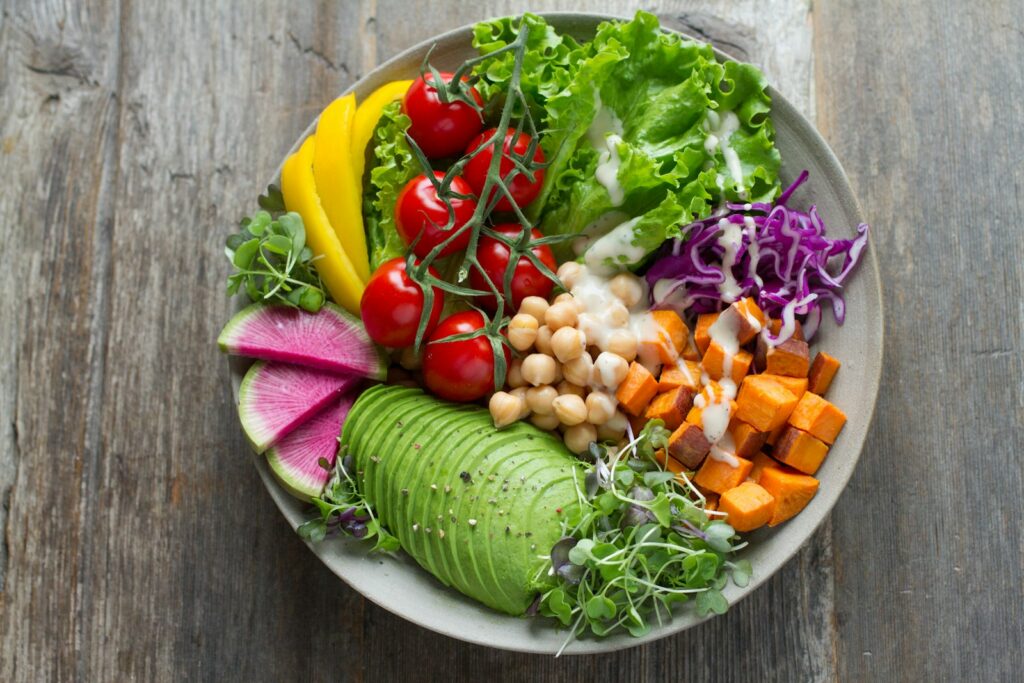
Plant-based eating is a range, not a single diet — from flexitarian (mostly plants) through pescatarian and lacto-ovo vegetarian to fully vegan. Well-planned plant-based diets are linked with benefits for heart health and weight and may lower the risk of some conditions. The key principle is that the more animal foods you exclude, the more attention certain nutrients need: a vegan diet needs the most planning, particularly for vitamin B12, which cannot be reliably obtained from unfortified plant foods. Singapore makes plant-based eating easy, with tofu, tempeh, legumes and vegetarian options widely available.
Want practical, personalised help with food and nutrition?
Message our care team on WhatsApp. Tell us what’s going on and we’ll help you find the right dietitian — free, with no obligation.
Chat with our care team on WhatsAppNot sure who to see? Find the right specialist →
In a medical emergency, or for severe or sudden symptoms such as breathing difficulty, chest pain, fainting or stroke signs, call 995 immediately.
On a vegan diet, a reliable B12 source (fortified foods or a supplement) is essential. Pregnant or breastfeeding women, children and older adults on plant-based diets should see a doctor or accredited dietitian. Plant-based does not automatically mean healthy — whole foods matter more than the label.
The spectrum
Flexitarian or plant-forward eating is mostly plants with occasional meat, poultry or fish; pescatarian excludes meat and poultry but includes fish and usually eggs and dairy; lacto-ovo vegetarian excludes meat, poultry and fish while including dairy and eggs; and vegan excludes all animal products, usually including honey. In Singapore, Buddhist or Chinese “zhai” vegetarian food is widely available and is typically egg-free and also avoids the pungent alliums such as garlic and onion. The more animal foods excluded, the more planning certain nutrients need.
Potential benefits
Diets higher in plant foods are associated with better heart health and may reduce the risk of type 2 diabetes, high blood pressure, cardiovascular disease and some cancers, and can support weight management — framed as associations rather than guarantees. The likely drivers are more fibre, more fruit, vegetables, wholegrains and legumes, lower saturated fat and often lower total calories, rather than the absence of meat alone. These benefits are seen for well-planned, whole-food plant-based patterns; a diet built on chips, white bread and vegan junk food is still plant-based but not healthy.
Building a balanced plant plate
Anchor meals to HPB’s My Healthy Plate or the Eatwell model: about half the plate fruit and vegetables, a quarter wholegrains, and a quarter protein, with healthier oils and limited salt and sugar. Get protein from legumes, tofu, tempeh, soya, nuts, seeds and wholegrains (plus eggs and dairy if included), eating a variety across the day so the mix supplies all the essential amino acids — there is no need to combine proteins at every single meal. Include calcium-set tofu, fortified plant milks and leafy greens for calcium, and pair plant (non-haem) iron sources with vitamin C to aid absorption.
Key nutrients to plan for
Vitamin B12 is the non-negotiable one: it is found naturally almost only in animal products, so on a vegan diet it must come from fortified foods or a supplement, and our vitamin B12 deficiency guide explains why untreated shortfall matters. Iron needs attention — pair pulses, dark leafy greens and fortified cereals with vitamin C and keep tea and coffee away from meals. Calcium and vitamin D support bone health; omega-3 for vegans is best from an algae source, since conversion from flaxseed or walnuts is limited; and iodine and zinc need planned sources such as fortified foods, iodised salt and fermented or sprouted soya. This guide gives no doses — a dietitian can advise amounts.
Myths and cautions
Two myths cause the most trouble. The first is that plant-based automatically means healthy — refined carbohydrates, deep-fried mock meats, sugary drinks and coconut-heavy products can be high in salt, sugar and saturated fat, so whole-food choices matter more than the vegetarian or vegan label. The second is that you cannot get enough protein without meat — in fact legumes, tofu, tempeh, soya, nuts, seeds and wholegrains provide ample protein when eaten with variety. The one genuine caution is B12, which really cannot be obtained reliably from unfortified plants.
Who should take extra care
Some groups should get individualised advice before adopting a restrictive plant-based diet, especially vegan. Pregnant and breastfeeding women have higher needs for B12, iron, iodine, omega-3 and calcium; infants and children need energy- and nutrient-dense variety for growth, so a paediatric dietitian is wise; and older adults may struggle with appetite, protein needs and B12 absorption. Anyone with anaemia or on very restricted intakes should also be reviewed. An accredited dietitian, reached via a polyclinic or hospital referral, can build a safe plan.
Doing it well in Singapore
Tofu, tempeh, tau kwa, beancurd, soya milk, dal and legumes are cheap and available everywhere, from wet markets to hawker stalls, and vegetarian hawker stalls, Buddhist “zhai” restaurants and Indian vegetarian food make plant eating straightforward — though it helps to watch oil and salt, add extra vegetables and choose brown rice where offered. Choose calcium-fortified plant milks and check labels for B12 and calcium fortification, consider iodised salt at home, and use My Healthy Plate and the Healthier Choice Symbol to balance meals. Sun exposure in Singapore is generally adequate for vitamin D, except for those who are largely indoors or fully covered.
Related nutrition & healthy-eating topics
- Sports nutrition
- Intermittent fasting
- Reading nutrition labels
- DASH diet for blood pressure
- Nutrition for cancer patients
- Protein & muscle health
- Fibre & digestive health
- Healthy eating on a budget
- Childhood nutrition & fussy eating
- Healthy eating & a balanced diet
- Dietitians in Singapore
Sources
- NHS — The vegan diet: nhs.uk
- NHS — The vegetarian diet: nhs.uk
- British Dietetic Association — Plant-based diet: bda.uk.com