
Quick answer. Having had a stroke or a mini-stroke (TIA) raises the risk of another one – but that risk can be substantially reduced, which is the most important and hopeful message of recovery. The keys are managing blood pressure (the biggest treatable risk factor), cholesterol and diabetes; taking any prescribed medication exactly as directed and never stopping it without advice; and, if you have the irregular heartbeat atrial fibrillation, taking blood-thinning medication reliably. Stopping smoking, a healthy diet, activity, limiting alcohol and a healthy weight all help. And everyone should know FAST and call 995 immediately for any new stroke symptoms.
Troubled by headaches, dizziness, numbness or memory changes?
Message our care team on WhatsApp. Tell us what’s going on and we’ll help you find the right neurologist — free, with no obligation.
Chat with our care team on WhatsAppNot sure who to see? Find the right specialist →
In a medical emergency, or for severe or sudden symptoms such as breathing difficulty, chest pain, fainting or stroke signs, call 995 immediately.
Risk can be reduced
The single most important message about life after stroke is a hopeful one: although a stroke raises the risk of another, that risk can be substantially lowered by combining medication with healthy habits. Preventing a second stroke – called secondary prevention – is something you have real power over, working with your care team. It is worth taking seriously, because a further stroke can cause more damage, but it is also genuinely achievable. The steps below are the proven ways to protect yourself, and doing them consistently, rather than perfectly, is what makes the difference over time.
Blood pressure
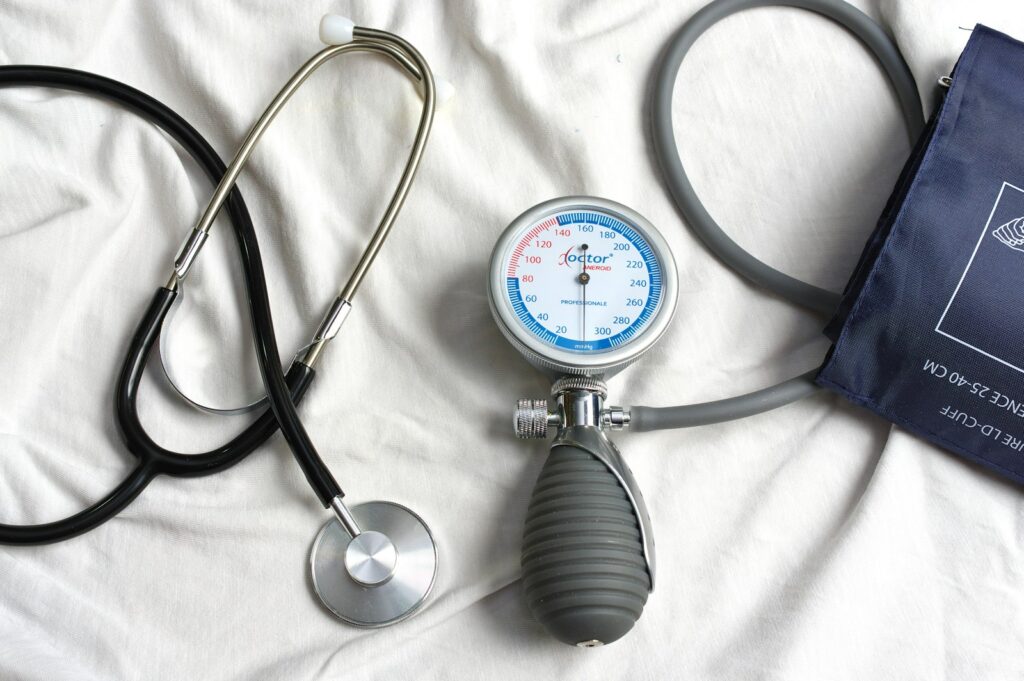
High blood pressure is the single biggest treatable risk factor for stroke, so managing it is central to prevention. Attend your blood-pressure checks, and take any blood-pressure-lowering medicine exactly as prescribed. A very common and important mistake is stopping the medicine when readings return to normal – but a normal reading usually means the medicine is working, not that it is no longer needed, so keep taking it unless your doctor advises otherwise. Reducing salt in your diet also helps lower blood pressure. Keeping your blood pressure well controlled is one of the most effective things you can do to prevent another stroke.
Cholesterol and diabetes
Cholesterol and diabetes are two more important risk factors to manage. Cholesterol-lowering medicines are commonly prescribed after a stroke, and it is important to take them as directed, even though you cannot feel their effect. If you have diabetes, good blood-sugar control reduces stroke risk, so keep up your monitoring, medication and reviews. As with blood pressure, the benefit comes from steady, ongoing management rather than short bursts. Your care team will monitor these at follow-up appointments, which is one reason attending them matters. Managing cholesterol and diabetes works alongside blood-pressure control to lower your overall risk.
Atrial fibrillation and blood thinners
Atrial fibrillation, an irregular heartbeat, greatly raises the risk of stroke because it can allow blood clots to form, and it is often treated with a blood-thinning medicine called an anticoagulant to prevent them. This point is critical: take it exactly as prescribed, and never stop it without medical advice, because stopping suddenly sharply raises the risk of another stroke. Missing doses reduces your protection. Attend any monitoring you are asked to, tell all doctors, dentists and pharmacists that you take it, and if you have unusual bleeding, report it to a doctor rather than stopping the medicine yourself. Some people are prescribed a different blood-thinning medicine, an antiplatelet, instead; the same rules apply.
Stopping smoking
If you smoke, stopping is one of the most effective single steps you can take to lower your stroke risk. It is not easy, but support makes it far more achievable, and quit services, counselling and other help genuinely improve your chances. In Singapore, the Health Promotion Board runs smoking-cessation support that you can ask about. Every reduction helps, and the benefits to your blood vessels begin quickly. If you have tried before and not succeeded, that is normal – most people make several attempts before quitting for good, so it is always worth trying again with support behind you.
Diet, activity and alcohol
Healthy habits round out prevention. Aim for a balanced diet with plenty of fruit and vegetables, less salt to help blood pressure, and less saturated fat. Keep physically active as advised by and within the limits set by your rehab team, building up gradually. Keep alcohol within safe limits or cut down, since heavy drinking raises blood pressure and stroke risk. Reaching and maintaining a healthy weight supports blood pressure, cholesterol and diabetes control all at once. None of these needs to be perfect; consistent, realistic changes add up, and your care team or a dietitian can help you make ones that fit your life.
Keep up your follow-ups
Attending all your follow-up appointments and reviews is an important and easily overlooked part of prevention. These visits are where your blood pressure, cholesterol and diabetes are monitored, your medications reviewed and adjusted, and any atrial fibrillation or other issues followed up. They are your chance to raise concerns and to make sure your prevention plan is working. In Singapore, your hospital stroke team, and organisations such as the Singapore Heart Foundation and HealthHub, offer information and support. Staying engaged with your care, rather than drifting away once you feel better, keeps your protection strong over the long term.
Know the signs and act fast
Finally, everyone – survivor and family – must know the warning signs and act without hesitation. Remember FAST: Face drooping or an uneven smile, Arm (or leg) weakness or numbness on one side, Speech that is slurred, muddled or lost, and Time to call 995 now. Call 995 immediately for any new stroke sign, and do not wait to see if it passes – even symptoms that resolve quickly, which may be a TIA or warning stroke, are an emergency. Acting fast can save brain and save life. Combined with prevention, knowing the signs is your strongest protection.
Related life-after-stroke topics
- Life after stroke
- Physical recovery & movement
- Arm & hand recovery
- Communication & aphasia
- Swallowing problems
- Emotional & psychological effects
- Fatigue after stroke
- Returning to work & driving
- Caring for someone after a stroke
- Stroke recovery & rehabilitation
- Neurologists in Singapore