
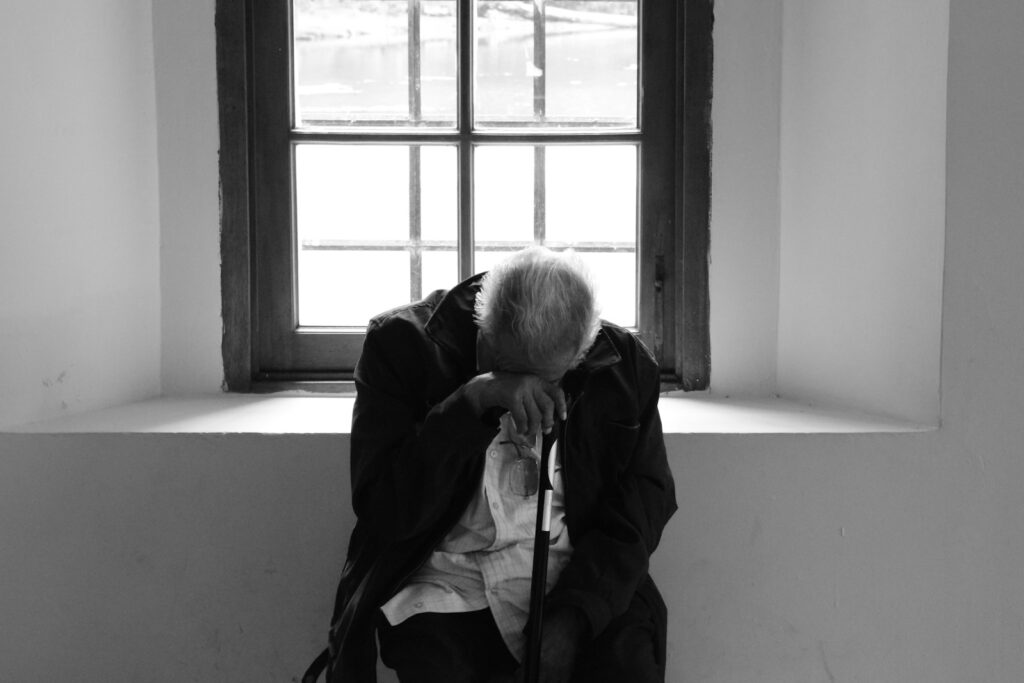
Quick answer. Emotional and psychological changes after a stroke are the norm, not the exception. Depression and anxiety are common and treatable, and many people experience emotional lability – crying or laughing that is hard to control and may not match how they feel inside. Grief, frustration, loss of confidence and fear of another stroke are all understandable reactions. These changes come partly from the stroke’s effect on the brain and partly from adjusting to life changes, and they often improve over time. Help is available – through your GP, stroke team, talking therapies and, where appropriate, medication. If you ever have thoughts of harming yourself, reach out: SOS is on 1767, mindline.sg on 1771.
Troubled by headaches, dizziness, numbness or memory changes?
Message our care team on WhatsApp. Tell us what’s going on and we’ll help you find the right neurologist — free, with no obligation.
Chat with our care team on WhatsAppNot sure who to see? Find the right specialist →
In a medical emergency, or for severe or sudden symptoms such as breathing difficulty, chest pain, fainting or stroke signs, call 995 immediately.
Emotional change is normal
After a stroke, emotional change is the rule rather than the exception. Anger, frustration, anxiety and low mood are all common, and they arise partly from the stroke’s direct effect on the brain and partly from the very real challenge of adjusting to life changes. Recognising this helps take away some of the guilt or confusion people feel about their emotions, and it reassures families that these reactions are a normal part of stroke, not a personal failing or a permanent change of character. Understanding the emotional side of stroke is just as important as the physical side of recovery.
Depression after stroke
Depression is common after a stroke – around one in three survivors experience it, often within the first year – and, importantly, it is treatable. It can show as persistent low mood, loss of interest or pleasure, hopelessness, changes in sleep or appetite, or a sense that things will not improve. Depression after stroke is not a weakness and it will not simply pass on its own, so it is worth recognising and acting on. Treating depression can also help other parts of recovery, including fatigue and motivation, so raising it with your GP or stroke team is a genuinely valuable step, not a distraction from physical rehab.
Anxiety and fear of another stroke
Anxiety is also common after a stroke, and a very understandable form of it is the fear of having another one. This worry can be constant or come in waves, and it can affect sleep, confidence and the willingness to be active. Like depression, anxiety is treatable, through talking therapies, practical strategies and, where appropriate, other support your doctor advises. Learning the FAST signs and having a clear plan for what to do if symptoms occur can actually reduce anxiety by replacing helpless worry with a sense of control. If anxiety is interfering with daily life, it is worth telling your care team.
Emotional lability
Many people experience emotional lability, sometimes called emotionalism – crying, or occasionally laughing, that is hard to control and may not match how the person actually feels inside. It can be distressing and embarrassing, both for the person and for those around them, but it is a recognised neurological effect of the stroke, not a sign of being overwhelmingly sad or unstable. It often improves over time, frequently within the first several months. Understanding what it is helps everyone respond with calm and patience rather than alarm, and your stroke team can advise if it is severe or persistent.
Grief, confidence and identity
A stroke can change a great deal in a short time, and it is natural to grieve for the abilities, roles or independence that have changed. Loss of confidence and a shaken sense of identity – a feeling of not being quite oneself – are recognised reactions. These feelings are part of adjusting, and they tend to ease as recovery progresses and as people find new routines, roles and sources of meaning. Talking about them, whether with family, a counsellor or a peer support group, helps a great deal. You are not alone in feeling this way, and these feelings do not mean you are failing to cope.
Cognitive and personality changes
Because a stroke affects the brain that controls thinking and emotion, some people notice changes in concentration, memory, patience or behaviour. These cognitive and personality changes can be unsettling for families, who may feel the person has changed, but they are effects of the stroke rather than deliberate behaviour, and they also tend to improve over time. Understanding this helps families respond with patience and support. Where these changes are significant, the stroke team, including psychologists, can assess them and suggest strategies. Naming what is happening – as a stroke effect, not a character flaw – is itself a relief for many families.
Getting help and supporting wellbeing
Help is available and effective. Talk to your GP, stroke nurse or stroke team about how you are feeling; support can include talking therapies and counselling with a mental-health professional, and medication where a doctor judges it appropriate. Beyond formal treatment, peer and stroke support groups, staying socially connected, pacing yourself to manage fatigue, setting small achievable goals, and involving family all support emotional wellbeing. In Singapore, the Singapore National Stroke Association and the Stroke Support Station offer peer support, and the Institute of Mental Health provides specialist care. Remember that carers can be affected emotionally too and deserve support.
When to seek urgent help
Some situations need prompt attention. If low mood, loss of interest or hopelessness last more than about two weeks, see your GP or stroke team, because depression is treatable and you do not have to wait it out. Most importantly, if you ever have thoughts of harming yourself, or feel unable to cope, seek help immediately – you are not alone. In Singapore, the Samaritans of Singapore offer 24-hour support on 1767, and mindline.sg is on 1771. For an emergency where there is immediate danger to life, call 995. Reaching out is a sign of strength, and support exists for survivors and carers alike.
Related life-after-stroke topics
- Life after stroke
- Physical recovery & movement
- Arm & hand recovery
- Communication & aphasia
- Swallowing problems
- Fatigue after stroke
- Preventing another stroke
- Returning to work & driving
- Caring for someone after a stroke
- Stroke recovery & rehabilitation
- Neurologists in Singapore
Sources
- NHS – Depression in adults: nhs.uk
- NHS – Recovering from a stroke: nhs.uk
- NHS – Stroke: nhs.uk
- Samaritans of Singapore (SOS) – 1767: sos.org.sg
- mindline.sg – 1771: mindline.sg