
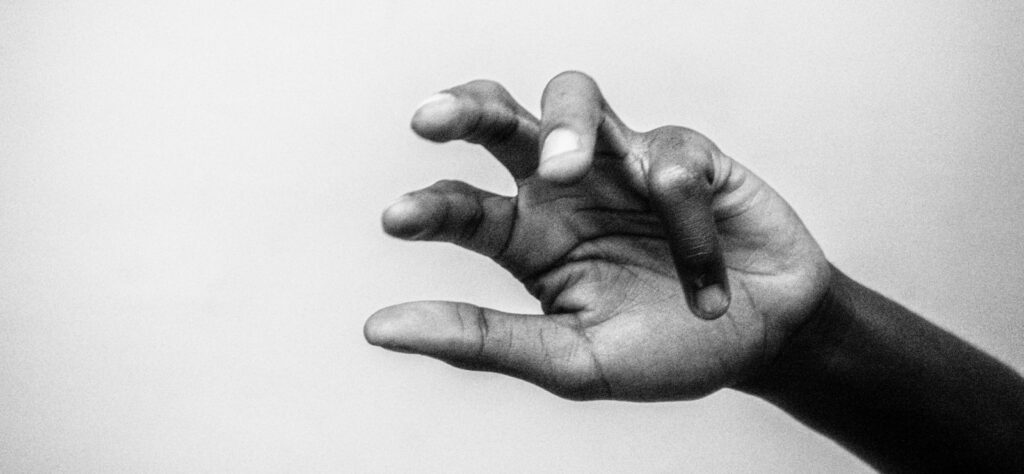
Quick answer. Weakness or paralysis of an arm and hand is one of the most common effects of a stroke, and the arm often recovers more slowly than the leg because it needs fine, coordinated movement and is easily left out of daily tasks. Occupational therapy leads arm and hand rehabilitation, and the key is repetitive, task-specific practice – using the weaker arm often, including between therapy sessions. Approaches such as constraint-induced movement therapy can help. It is important to protect the weak shoulder from injury and to watch for pain or swelling. Any sudden new weakness could be another stroke – call 995.
Troubled by headaches, dizziness, numbness or memory changes?
Message our care team on WhatsApp. Tell us what’s going on and we’ll help you find the right neurologist — free, with no obligation.
Chat with our care team on WhatsAppNot sure who to see? Find the right specialist →
In a medical emergency, or for severe or sudden symptoms such as breathing difficulty, chest pain, fainting or stroke signs, call 995 immediately.
Weakness in the arm and hand
Weakness on one side of the body affects the great majority of people after a stroke – around eight in ten – and often involves the arm and hand. One-sided weakness is called hemiparesis, and one-sided paralysis hemiplegia. A weak arm and hand make everyday tasks harder: gripping and holding objects, dressing, washing and fine finger movements can all be affected. The degree varies widely, from mild clumsiness to an arm that cannot move at first. With rehabilitation, some people regain near-full use while others have lasting weakness, so recovery is genuinely individual and worth pursuing patiently.
Why the arm can be slower than the leg
Many people notice their leg recovering faster than their arm, which can be discouraging until you understand why. The hand and arm rely on fine, highly coordinated movements controlled by a large area of the brain, whereas the leg’s walking pattern is more repetitive and gets constant practice through everyday standing and walking. A weak arm, by contrast, is easily left out of daily activities, so it gets far less practice. This is not a rule about your recovery, but it helps explain the pattern, and it points to the solution: deliberately bringing the weaker arm back into daily tasks as much as possible.
The role of occupational therapy
Occupational therapy leads arm and hand rehabilitation and the recovery of everyday function. Occupational therapists assess how movement, balance and sensation affect your daily activities, then work with you on movements and real tasks to rebuild skill and strength, alongside adaptive equipment and alternative techniques where helpful. Physiotherapy also contributes to strength, stamina and flexibility. Together, these therapies focus not just on the arm in isolation but on getting it back to useful work in your daily life – reaching for a cup, fastening a button, carrying an object – which is what recovery ultimately means.
Practice is the engine of recovery
As with movement generally, repetitive, task-specific practice is the core driver of arm and hand recovery. Practising real, meaningful tasks – reaching, grasping, releasing – in high volume drives the brain’s relearning, and crucially this practice needs to happen between therapy sessions, not only during them. Rehabilitation begins with your therapists, but the progress you make depends heavily on what you do in your own time. Building the weaker arm into everyday activities, even in small ways, turns ordinary daily life into therapy. The more the arm is used, the more the brain devotes to its recovery.
Constraint-induced movement therapy
One evidence-based approach is constraint-induced movement therapy, in which the stronger arm is gently restrained – for example with a mitt or sling – for much of the waking day, while you do concentrated, repeated task practice with the weaker arm, over a block of days or weeks. Encouraging the brain to rely on the affected arm can strengthen its recovery. It is used in both earlier and later phases of recovery, but it requires some existing movement in the wrist and fingers to be suitable, so a therapist assesses whether it is right for you. This is a therapist-led programme, not something to attempt unsupervised.
Protecting the shoulder
A weak shoulder needs protection. After a stroke, weak muscles around the shoulder may no longer hold the arm bone firmly in its socket, so the joint can partially slip – called subluxation – which is often felt as a gap and can be painful. The key is careful positioning and handling: support the arm when sitting, using pillows, a lap tray or an arm support, and never pull on or lift the person by the weak arm. Correct handling by family and carers protects the joint, and your therapist can advise on supportive positioning or strapping. Preventing shoulder injury is far easier than treating it.
Shoulder pain and a swollen hand
Shoulder pain is a common problem after a stroke and can arise from subluxation, spasticity (tight muscles) or poor handling; it is managed with good positioning, gentle movement, treating any spasticity, and pain relief as advised by your team. A swollen hand can develop when the hand is not moving much, especially if it hangs downwards, as fluid builds up in the tissues; painful swelling makes movement harder and can worsen stiffness. Keep the hand supported and elevated rather than dangling, do gentle movements as guided, and report persistent swelling to your team so it can be assessed and managed.
Realistic hope and when to act fast
Recovery of the arm and hand is usually fastest in the first weeks and months, but improvement can continue for a long time with continued practice, and gains depend on effort and repetition. Some strokes also cause a person to neglect or forget the weaker arm even when it can move, so consciously bringing it into two-handed tasks helps. Set goals with your therapist and celebrate small wins. Finally, remember that a sudden new weakness, facial droop or speech difficulty is not the old stroke – it is a possible new stroke, so call 995 immediately using the FAST signs.
Related life-after-stroke topics
- Life after stroke
- Physical recovery & movement
- Communication & aphasia
- Swallowing problems
- Emotional & psychological effects
- Fatigue after stroke
- Preventing another stroke
- Returning to work & driving
- Caring for someone after a stroke
- Stroke recovery & rehabilitation
- Neurologists in Singapore