
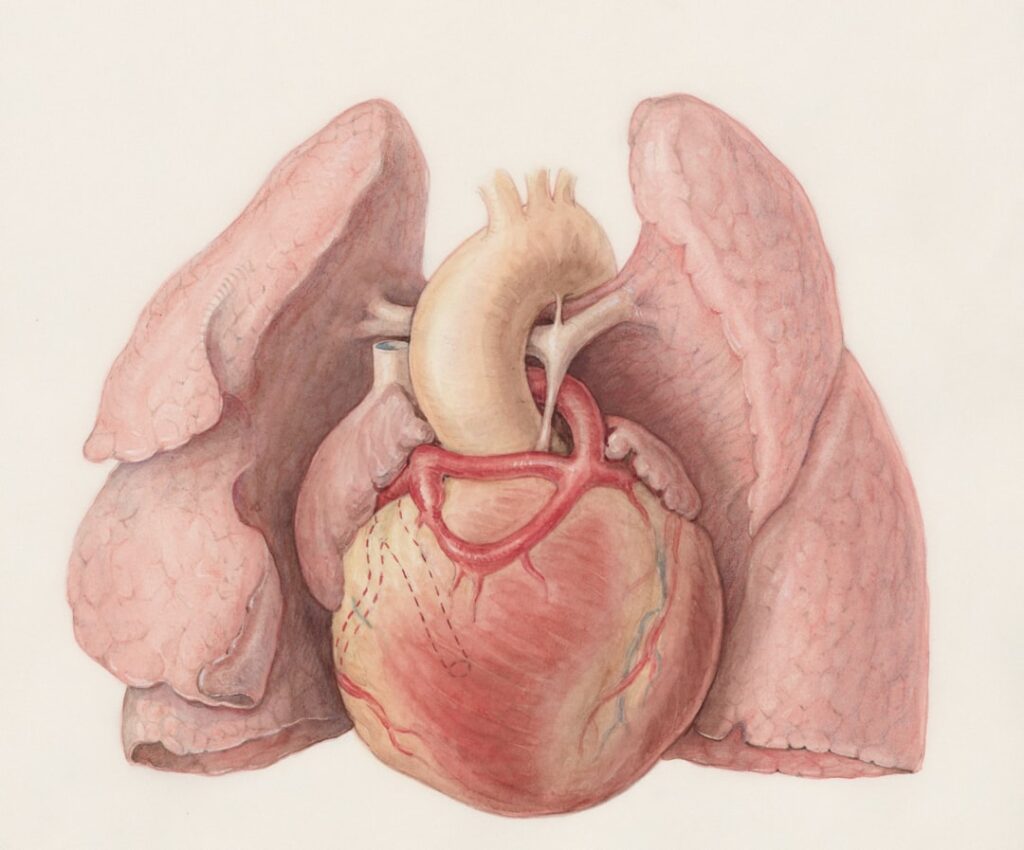
Quick answer. Heart bypass surgery, or coronary artery bypass graft (CABG), reroutes blood around blocked heart arteries using a healthy blood vessel from elsewhere in the body. It is used to relieve angina and reduce the risk of a heart attack in people with significant coronary artery disease.
Chest pain, palpitations or breathlessness on your mind?
Message our care team on WhatsApp. Tell us what’s going on and we’ll help you find the right cardiologist — free, with no obligation.
Chat with our care team on WhatsAppNot sure who to see? Find the right specialist →
In a medical emergency, or for severe or sudden symptoms such as breathing difficulty, chest pain, fainting or stroke signs, call 995 immediately.
Coming to Singapore from overseas for treatment? See our guide for international patients — costs, visas, travel and language support — or chat with our care team on WhatsApp.
Heart bypass surgery, known medically as coronary artery bypass graft or CABG, is a long-established operation for severe coronary artery disease. When the arteries supplying the heart muscle are badly narrowed or blocked, the surgeon creates a new route, a graft, so blood can flow around the blockage to reach the heart muscle again.
It is one of the most common major heart operations performed in Singapore. This guide explains what CABG is, who needs it, how the procedure and recovery work, the risks involved, and the typical market cost range so you can have an informed discussion with your cardiologist and cardiothoracic surgeon.
At a glance
| Aspect | What to expect | Notes |
|---|---|---|
| Main aim | Reroute blood around blocked arteries | Relieves angina, lowers heart attack risk |
| Who needs it | Multiple or severe blockages | Decided after an angiogram |
| Anaesthetic | General anaesthetic | You are asleep throughout |
| Hospital stay | Often around a week | Varies with health and recovery |
| Full recovery | Several weeks to a few months | Includes cardiac rehabilitation |
What is heart bypass surgery (CABG)?
Heart bypass surgery (CABG) is an operation to treat coronary artery disease, in which fatty deposits narrow the arteries that supply the heart muscle. The surgeon takes a healthy blood vessel, usually from the chest wall, leg or arm, and uses it to create a detour, or graft, that carries blood past the blocked section of the coronary artery.
People often have more than one graft in a single operation; you may hear terms such as double, triple or quadruple bypass, which simply refer to the number of arteries rerouted. The goal is to restore a good blood supply to the heart muscle, relieving symptoms such as chest pain and reducing the risk of a future heart attack. CABG does not cure the underlying disease, so lifestyle changes and medication remain important afterwards.
Who needs it
Bypass surgery is usually considered when coronary artery disease is significant and other treatments such as medication or angioplasty with stents are not suitable or have not worked well. A cardiologist typically recommends it after an angiogram shows the pattern and severity of the blockages. It may be advised when there is:
- Narrowing of several coronary arteries
- A blockage of the main left coronary artery
- Angina that limits daily life despite medication
- Coronary disease alongside diabetes or reduced heart pumping function, where surgery may offer better long-term results
- Severe disease found after a heart attack
The decision is individual and is usually made jointly by the cardiologist, a cardiothoracic surgeon and you.
The procedure and recovery
CABG is performed under general anaesthetic, so you are asleep throughout. In the traditional approach the surgeon opens the breastbone to reach the heart, and a heart-lung machine takes over the circulation while the grafts are sewn in; some operations are done on a still-beating heart or through smaller incisions, depending on the case. The operation commonly takes several hours.
Afterwards you are cared for in an intensive care or high-dependency unit before moving to a ward, and the total hospital stay is often around a week. Recovery at home takes several weeks to a few months. You will gradually build up activity, attend a structured cardiac rehabilitation programme, and avoid heavy lifting and driving until cleared. Most people return to many normal activities within weeks, with full recovery taking longer. Taking prescribed medicines, stopping smoking, eating well and staying active are key to protecting the new grafts.
Risks
CABG is a major operation, and although it is performed routinely and is generally safe in experienced hands, it carries risks that your surgeon will explain. These can include:
- Bleeding, infection of the wound or chest
- Irregular heart rhythms, particularly in the days after surgery
- Reaction to the anaesthetic
- Kidney problems
- Memory or concentration changes, often temporary
- Rarely, a heart attack, stroke, or, in the most serious cases, death
The level of risk depends on factors such as your age, the urgency of the operation, and other health conditions like diabetes or lung disease. Your surgical team will discuss your individual risk before you give consent.
Typical cost in Singapore
Heart bypass surgery is a major operation with a wide cost range depending on whether it is done in a public or private hospital, the ward class, the surgeon’s and anaesthetist’s fees, the length of stay, and any complications. As a broad market guide, CABG in Singapore typically costs from a lower five-figure sum in subsidised public settings to a substantially higher amount, often well into the tens of thousands of dollars, in private hospitals.
These figures are general market ranges only, not a quotation. Always request a written, itemised cost estimate from the hospital for your specific case. As major inpatient surgery, CABG is generally claimable under MediSave and MediShield Life within the applicable surgical limits, and government subsidies apply in the public sector for eligible patients. Integrated Shield Plans may cover more, depending on your policy. Confirm coverage with the hospital business office and your insurer before proceeding.
When to see a doctor & which specialist
Coronary artery disease can cause a heart attack, which is a medical emergency. Call 995 or go to the nearest A&E immediately if you have severe or crushing chest pain, pain spreading to the arm, jaw, neck or back, sudden breathlessness, sweating, nausea or fainting. Do not drive yourself.
If you have chest pain on exertion, breathlessness, or known risk factors for heart disease such as diabetes, high cholesterol, high blood pressure or a smoking history, see a cardiologist for assessment. They will decide whether tests such as an angiogram are needed and, if bypass surgery is appropriate, refer you to a cardiothoracic surgeon. You can find a heart doctor through our directory of cardiologists in Singapore.
Related guides
- Best Cardiology Clinics in Singapore — our editorial shortlist
- cardiology clinics directory
- Angiogram
- Heart murmur
- Vasovagal syncope
- Runny nose
- Tonsillectomy
Sources
- NHS: Coronary artery bypass graft
- Mayo Clinic: Coronary bypass surgery
- HealthHub Singapore
- SingHealth: Conditions and treatments
- MOH Singapore
Part of our Heart & vascular guides · Browse all health topics