
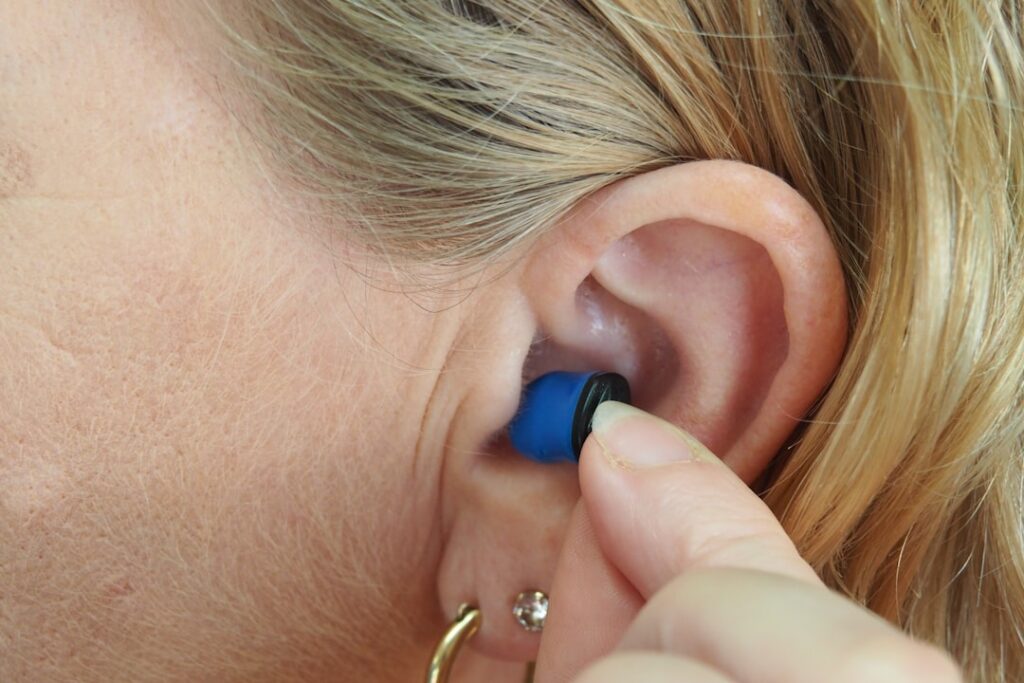
Quick answer. Ear wax is normal and usually clears by itself, but a build-up can block the ear and muffle hearing. The safest way to remove stubborn wax is with softening drops or microsuction by an ENT clinic – never cotton buds or ear candling, which can push wax deeper or injure the ear.
Struggling with sinus, hearing, throat or balance problems?
Message our care team on WhatsApp. Tell us what’s going on and we’ll help you find the right ENT specialist — free, with no obligation.
Chat with our care team on WhatsAppNot sure who to see? Find the right specialist →
In a medical emergency, or for severe or sudden symptoms such as breathing difficulty, chest pain, fainting or stroke signs, call 995 immediately.
Ear wax, or cerumen, is a natural substance that protects and cleans the ear canal. For most people it works its way out on its own and never causes a problem. Sometimes, though, wax builds up or becomes impacted, leading to a blocked, full feeling in the ear and muffled hearing – a common reason people in Singapore visit a GP or ENT clinic for ear wax removal.
The good news is that excess wax is usually straightforward to treat safely. The key message is that the methods many people reach for at home – cotton buds and ear candling – can do more harm than good by pushing wax deeper or damaging the delicate ear canal and eardrum. This guide explains why wax builds up, the safe options for removing it (including softening drops and microsuction performed by an ENT), and when you should see a specialist rather than treating it yourself.
At a glance
| Method | How it works | Safe or avoid |
|---|---|---|
| Softening drops | Drops loosen wax so it clears naturally | Safe first step at home |
| Microsuction | ENT gently vacuums wax under a microscope | Safe; done by a clinician |
| Ear irrigation | Warm water flushes out softened wax | Safe when done by a trained clinician |
| Cotton buds | Pushed into the canal | Avoid – pushes wax deeper |
| Ear candling | Lit cone placed in the ear | Avoid – no benefit and risk of burns |
What is ear wax and why does it build up?
Ear wax is produced by glands in the outer ear canal. It traps dust and debris, keeps the skin of the canal from drying out, and has mild antibacterial properties. Normally, jaw movement and the natural migration of skin carry old wax to the outer ear, where it falls away unnoticed.
Ear wax removal becomes necessary when wax accumulates faster than it clears, or is pushed back and becomes impacted. This is common and not a sign of poor hygiene. Some people simply produce more wax or have narrow or hairy ear canals, and the use of cotton buds, earphones or hearing aids can press wax deeper. A blockage can cause a feeling of fullness, reduced hearing and discomfort.
Symptoms & signs
A build-up of ear wax can cause:
- A blocked or full feeling in the ear
- Muffled or reduced hearing on one side
- Earache or mild discomfort
- Itchiness in the ear canal
- Ringing in the ear (tinnitus)
- Occasionally, dizziness
Symptoms often appear suddenly, for example after water gets into the ear and makes trapped wax swell. If you also have severe pain, discharge or fever, the problem may be an infection rather than simple wax, and you should see a doctor.
Causes & risk factors
Wax build-up happens when production outpaces the ear’s natural clearing process. Factors that raise the risk include:
- Using cotton buds, which push wax deeper instead of removing it
- Wearing hearing aids, earphones or earplugs regularly
- Narrow or hairy ear canals
- Naturally producing drier or more abundant wax
- Older age, as wax tends to become harder and drier
- Skin conditions affecting the ear canal
How it's diagnosed
A doctor or ENT specialist diagnoses impacted wax by examining the ear canal with an otoscope (a lighted instrument) or, in an ENT clinic, with a microscope. This lets them see how much wax is present and check that the eardrum is intact and there is no infection.
The examination also helps rule out other causes of a blocked ear or hearing loss, such as an ear infection, a foreign body or a problem behind the eardrum. No blood tests or scans are needed for straightforward wax.
Treatment options
Safe removal usually follows a stepwise approach:
- Softening drops – over-the-counter ear drops (such as olive oil or specific cerumenolytic drops) used for a few days often allow wax to clear on its own.
- Microsuction – an ENT clinician uses a fine suction device under direct vision to gently remove wax. It is precise, does not involve water, and is generally well tolerated.
- Ear irrigation – warm water is used to flush out softened wax, performed by a trained clinician.
You should avoid cotton buds, hairpins and ear candling, which can push wax deeper, scratch the canal or cause burns and injury. In Singapore, professional ear wax removal such as microsuction at an ENT or GP clinic is an outpatient service typically priced within a modest market range that varies by clinic; ask the clinic for its current consultation and procedure fees, as there is no fixed published rate.
When to see a doctor & which specialist
See a doctor or ENT specialist if your ear stays blocked or hearing stays muffled after a few days of softening drops, if wax keeps building up, if you wear hearing aids, or if you have tried and cannot clear it safely. Professional microsuction by an ENT is the recommended way to remove stubborn or impacted wax.
Seek prompt medical care if you have severe ear pain, discharge of pus or blood, sudden hearing loss, high fever or dizziness, as these suggest an infection or other problem rather than simple wax and should not be treated at home. Do not attempt to dig wax out yourself if you have these symptoms or a known eardrum perforation.
For safe wax removal and assessment of a blocked ear, see our directory of ENT specialists in Singapore.
Related guides
- Best ENT Clinics in Singapore — our editorial shortlist
- ENT clinics directory
- Hernia
- Appendicitis
- Stye & chalazion
- Spondylosis
- Mastitis
Sources
Part of our Ear, nose & throat guides · Browse all health topics