
Quick answer. COVID-19 is a respiratory illness caused by the SARS-CoV-2 coronavirus. It is now endemic in Singapore, circulating year-round with periodic waves as new variants emerge. Most people have mild illness and recover at home with rest, fluids and simple symptom relief, but it can be more serious in older adults, the immunocompromised and people with chronic conditions. See a doctor promptly if you are higher-risk or develop warning signs such as breathing difficulty or chest pain. Staying up to date with recommended vaccination remains the main way higher-risk people reduce their chance of severe illness.
Not sure which infectious disease specialist you need?
Message our care team on WhatsApp. Tell us what’s going on and we’ll help you find the right infectious disease specialist — free, with no obligation.
Chat with our care team on WhatsAppNot sure who to see? Find the right specialist →
In a medical emergency, or for severe or sudden symptoms such as breathing difficulty, chest pain, fainting or stroke signs, call 995 immediately.
COVID-19 hasn’t gone away – it has settled into a pattern of occasional waves, much like other respiratory viruses. For most people it’s now a manageable illness, but the basics of knowing when to test, rest and seek help still matter.
What COVID-19 is, and why waves keep happening
COVID-19 is an infection caused by SARS-CoV-2, a coronavirus that primarily affects the airways and lungs but can involve other organs. The illness spans a wide spectrum: some people have no symptoms at all, many have a mild cold-like or flu-like illness, and a smaller number become seriously unwell with pneumonia or other complications. The same virus can therefore behave very differently from one person to the next, which is why individual risk factors matter so much.
The virus keeps evolving into new variants that spread more easily or partly evade earlier immunity. This is why Singapore sees periodic waves rather than the disease disappearing – the pattern expected of an endemic respiratory disease. Because population immunity from past infection and vaccination fades over time, and because new variants circulate, reinfection is possible even if you have had COVID-19 before. For the latest local situation, variant assessments and any active advisories, the Communicable Diseases Agency (CDA) and HealthHub are the authoritative Singapore sources.
Common symptoms
Symptoms usually begin a few days after exposure and range from very mild to severe. The most common include:
- Fever or chills
- Cough
- Sore throat
- Runny or blocked nose
- Headache
- Body aches and muscle pain
- Tiredness or fatigue
- Loss or change of taste or smell (more common with earlier strains; less frequent with newer variants)
Some people also have nausea, vomiting, diarrhoea or breathlessness. Because these symptoms overlap heavily with influenza, the common cold and other respiratory infections, symptoms alone cannot confirm the diagnosis – testing is how COVID-19 is distinguished from other bugs. In young children and older adults the picture can be less typical; frail older people, in particular, may present mainly with reduced appetite, drowsiness, falls or confusion rather than an obvious cough or fever.
Emergency red flags – call 995
Call 995 for an ambulance, or go to the nearest A&E immediately, if a person with COVID-19 develops any of these:
- Difficulty breathing or breathlessness at rest
- Persistent chest pain or pressure
- Blue or grey lips or face
- New confusion
- Difficulty staying awake, or being very hard to rouse
Other reasons to seek urgent medical care include a very high fever that will not come down, signs of significant dehydration (little or no urine, dizziness on standing, sunken eyes), or a young child who is unusually floppy, not feeding, or has trouble breathing. When in doubt, it is always safer to be assessed.
How it spreads
COVID-19 spreads mainly through respiratory droplets and finer aerosols released when an infected person coughs, sneezes, talks, sings or simply breathes. Transmission is most likely in close contact and in crowded, poorly ventilated indoor spaces where these particles build up. Touching a contaminated surface and then the face plays a smaller role. People can be infectious shortly before symptoms appear and for some days afterwards, and those with no symptoms can still pass the virus on – which is why good ventilation and staying home when unwell remain useful even in an endemic phase.
Who is at higher risk of severe illness
Most healthy adults and children recover fully, but certain groups have a higher chance of severe disease and are the priority for vaccination and early treatment:
- Older adults – risk rises with age
- People with heart, lung or kidney disease
- People with diabetes
- People living with obesity
- People with a weakened immune system – for example from cancer treatment, organ transplant, or immune-suppressing medicines
- People who are pregnant
If you fall into one of these groups, it is worth knowing in advance where you would seek care and whether antiviral treatment might be suitable for you, because these medicines work best when started early.
Testing
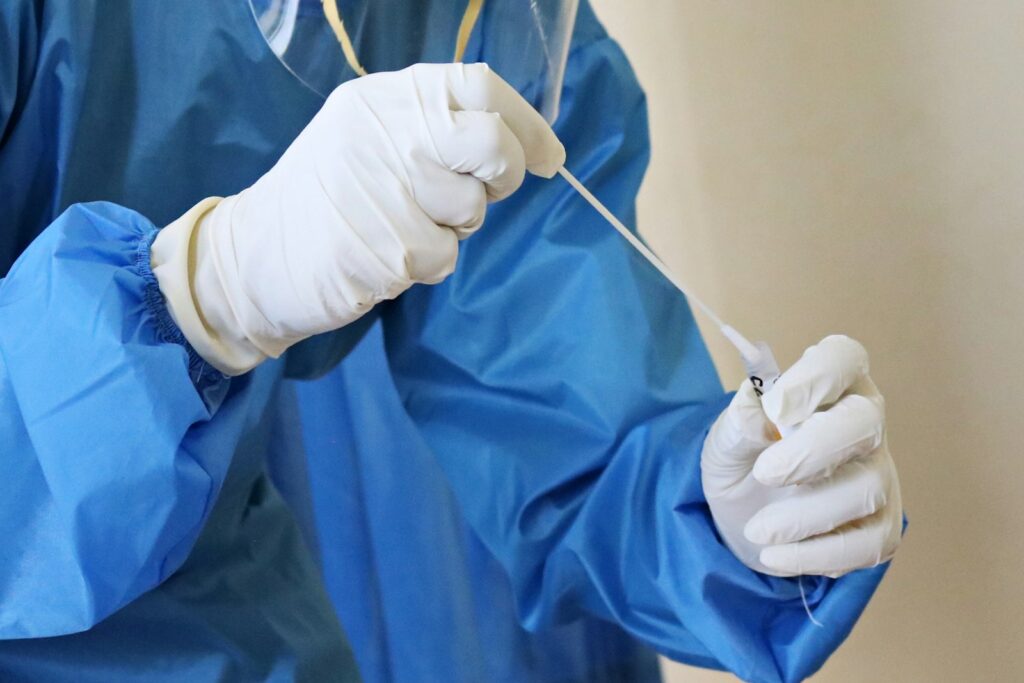
Two main tests are used. Antigen rapid test (ART) self-test kits are widely available, easy to use at home and give a result within minutes – convenient for checking when you have symptoms or before visiting someone vulnerable. PCR tests are more sensitive and are used in some clinical settings, such as for higher-risk patients or hospital assessment. Testing is most useful when the result will change what you do – for example, confirming COVID-19 so a higher-risk person can be considered for antivirals, or deciding whether to keep away from vulnerable family members. A negative ART early in an illness does not always rule COVID-19 out, so repeat testing or a doctor’s assessment may be needed if symptoms continue. Isolation and testing rules change over time; check MOH or HealthHub for the current guidance.
How it is treated
The right treatment depends on how unwell you are and your risk level:
- Most cases – self-care at home. Rest, drink plenty of fluids, and use paracetamol to ease fever, aches and sore throat. Stay home while unwell, keep away from vulnerable people, and wear a mask if you must go out. Most people improve over several days to a couple of weeks.
- Antiviral medicines for certain higher-risk people. Oral antivirals can reduce the chance of severe illness in eligible higher-risk patients, but they must be prescribed by a doctor and started early in the illness to be effective. They are not needed for most healthy people. A doctor decides suitability, as these medicines can interact with other drugs.
- Severe cases – hospital care. People who become seriously unwell – for example with pneumonia or low oxygen levels – may need supplemental oxygen, closer monitoring and other hospital treatments.
See a doctor – your GP or a polyclinic – if you are higher-risk, if symptoms are worsening rather than settling, or if a high fever persists beyond about three days.
Vaccination
Vaccination is the main way to reduce the risk of severe illness, hospitalisation and death, even though it does not prevent every infection. Protection wears off over time and as new variants appear, so booster doses are recommended for higher-risk groups – particularly older adults and people with the conditions listed above – through Singapore’s National Vaccination Programme. Because eligibility, timing and the recommended vaccine are periodically updated, check the current advice on HealthHub or with your doctor rather than relying on older information.
Long COVID
Some people have symptoms that persist for weeks or months after the initial infection has cleared – sometimes called long COVID or post-COVID conditions. Common features include ongoing fatigue, breathlessness and “brain fog” (difficulty concentrating or remembering), as well as sleep problems, palpitations, muscle aches and low mood. It can affect people who had only mild initial illness. There is no single test, but help is available: if symptoms persist, interfere with daily life or work, or are getting worse, see a doctor for assessment. Management focuses on ruling out other causes, treating specific symptoms, and a gradual, paced return to activity, with referral to a specialist or rehabilitation service where needed.
Prevention
Several simple measures lower the chance of catching or spreading COVID-19, and they work best together:
- Vaccination, kept up to date for higher-risk groups
- Hand hygiene – wash with soap and water or use hand sanitiser
- Respiratory hygiene – cover coughs and sneezes, and dispose of tissues
- Masks and good ventilation when relevant – for example in crowded indoor spaces, or when caring for someone unwell
- Staying home when unwell and keeping away from vulnerable people until you recover
When to see a doctor
See a GP or visit a polyclinic if you are in a higher-risk group, if your symptoms are worsening rather than improving, if a high fever persists beyond about three days, or if you are worried. Early review matters most for higher-risk people, because antiviral treatment is time-sensitive. Remember the emergency red flags above – call 995 for breathlessness at rest, persistent chest pain or pressure, blue or grey lips or face, new confusion, or difficulty staying awake.
Related infections & conditions
- Chickenpox
- Hepatitis A
- Typhoid fever
- Chikungunya
- Sepsis
- Melioidosis
- Leptospirosis
- Glandular fever
- Norovirus
- Dengue fever
- Influenza (flu)
- Infectious disease specialists in Singapore
Sources
- CDA (Communicable Diseases Agency, Singapore) — COVID-19 disease page and situation updates: endemic pattern, periodic waves, variant assessments.
- MOH Singapore — COVID-19 vaccination recommendations and National Vaccination Programme (who is recommended for boosting).
- NHS / CDC — symptoms, red flags and long COVID (international reference).