
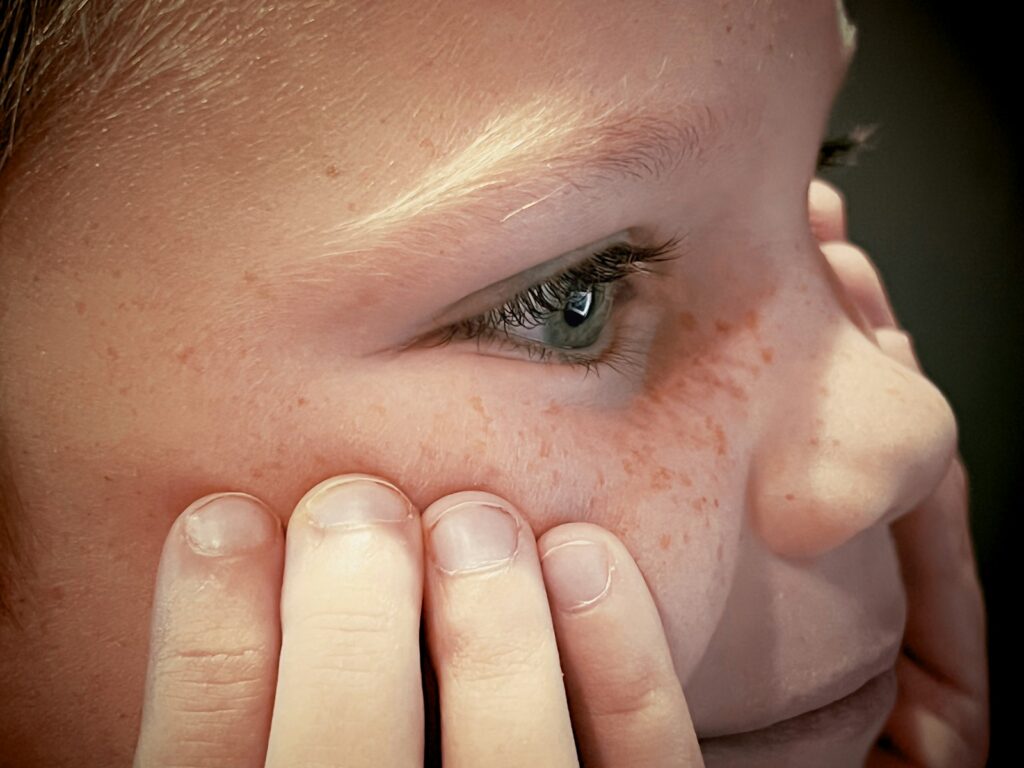
Quick answer. Chickenpox is a highly contagious viral infection caused by the varicella-zoster virus (VZV). It causes an itchy rash of red spots that turn into fluid-filled blisters and then scab over, appearing in successive crops, usually with fever and feeling unwell. It is usually mild in healthy children but can be more severe in adults, pregnant women, newborns and the immunocompromised. In Singapore the varicella vaccine is part of the National Childhood Immunisation Schedule (two doses), the main way to prevent it. After the illness the virus stays dormant and can reactivate years later as shingles.
Not sure which infectious disease specialist you need?
Message our care team on WhatsApp. Tell us what’s going on and we’ll help you find the right infectious disease specialist — free, with no obligation.
Chat with our care team on WhatsAppNot sure who to see? Find the right specialist →
In a medical emergency, or for severe or sudden symptoms such as breathing difficulty, chest pain, fainting or stroke signs, call 995 immediately.
For most children chickenpox is an itchy, uncomfortable week or so, then over. The reasons to pay attention are the higher-risk groups, a couple of care do’s and don’ts, and the vaccine that prevents it.
What it is
Chickenpox is a common, very contagious infection caused by the varicella-zoster virus. It produces a widespread, intensely itchy blistering rash, usually with fever and a general feeling of being unwell. In healthy children the illness is typically mild and settles on its own within about a week. It tends to be more serious – and more likely to lead to complications – in newborns, adults, pregnant women and anyone with a weakened immune system. Historically almost everyone caught chickenpox in childhood; with wider vaccination it is now much less common in places where the vaccine is routinely used. One infection usually gives long-lasting immunity, but the virus is never fully cleared from the body.
Symptoms and stages
Chickenpox often starts with a day or two of fever, tiredness, headache, loss of appetite and feeling generally unwell before any rash appears. The rash then evolves through recognisable stages:
- Flat red spots appear, commonly starting on the face, scalp and trunk before spreading to the arms and legs.
- The spots become raised and turn into small fluid-filled blisters (vesicles) that are very itchy.
- The blisters cloud, break and then dry and crust over into scabs.
A hallmark of chickenpox is that spots appear in successive crops over several days, so at any one time you see lesions at different stages – new red spots, active blisters and older crusts – side by side. Spots can also appear inside the mouth, on the eyelids and in the genital area, which can be sore. Most people are covered in a variable number of spots; some have only a few, others have hundreds. The illness usually runs its course in about a week to ten days as the last blisters crust and heal.
How it spreads and the infectious period
Chickenpox spreads very easily. The virus passes from person to person through respiratory droplets from coughing, sneezing and talking, and through direct contact with fluid from the blisters. It can also spread through contact with the fresh fluid from shingles blisters. A person is infectious from about 1–2 days before the rash appears until all the blisters have dried and crusted over – usually around five days after the rash starts, but it can be longer. The incubation period – the gap between catching the virus and developing symptoms – is typically about 14–16 days (range 10–21 days). Because it is contagious before the rash is even visible, chickenpox often spreads within households, childcare centres and schools before anyone realises. In Singapore, childcare and preschool settings are asked to report cases for surveillance.
Who is at higher risk of severe illness
Chickenpox is usually mild in otherwise healthy children, but some groups are more likely to become seriously unwell and should get medical advice early:
- Newborn babies, especially if the mother develops chickenpox around the time of delivery.
- Pregnant women – infection can occasionally affect the unborn baby and can make the mother more unwell.
- Adults and teenagers, who tend to have more severe symptoms and a higher risk of complications than young children.
- People with a weakened immune system – for example those on chemotherapy, high-dose steroids or other immune-suppressing treatment, or with conditions that lower immunity.
Anyone in these groups who has chickenpox, or who has been in close contact with someone who has it and is not already immune, should seek prompt medical advice.
How it is diagnosed
Chickenpox is usually diagnosed clinically – from the appearance of the rash and the typical story of crops of itchy spots and blisters at different stages, often with a preceding fever. A doctor does not normally need tests to confirm it. Laboratory tests (such as testing fluid from a blister) may occasionally be used when the diagnosis is unclear, in high-risk patients, or when it is important to confirm immunity – for example in a pregnant woman exposed to the virus.
Complications
Most people recover fully, but complications can occur and are more likely in the higher-risk groups above. They include:
- Bacterial skin infection – the most common complication, when scratched blisters become infected. Signs include increasing redness, warmth, pain, swelling or pus around a spot.
- Pneumonia (infection or inflammation of the lungs), which is more common in adults and can cause breathing difficulty.
- Encephalitis (inflammation of the brain), which is rare but serious.
- In pregnancy, the infection can occasionally harm the developing baby or the newborn.
A special note on shingles. After chickenpox clears, the varicella-zoster virus does not leave the body – it stays dormant in the nerves. Years or decades later it can reactivate as shingles, a painful, usually one-sided blistering rash. This is why chickenpox and shingles are caused by the same virus.
Treatment
For most healthy children and adults, treatment is supportive – aimed at comfort while the body clears the virus:
- Rest and plenty of fluids to stay hydrated.
- Calamine lotion and/or an antihistamine to ease the itch, and cool baths or loose cotton clothing for comfort.
- Paracetamol for fever and discomfort (used as directed).
- Keeping fingernails short and discouraging scratching, to reduce skin infection and scarring – smooth mittens can help in young babies.
Do NOT give aspirin to a child with chickenpox. Aspirin used during chickenpox is linked to Reye’s syndrome, a rare but serious condition affecting the brain and liver. Avoid ibuprofen and other non-steroidal anti-inflammatory painkillers too unless a doctor advises otherwise, as they have been linked to more serious skin infections in chickenpox. For higher-risk groups or severe illness, a doctor may prescribe an antiviral medicine (such as aciclovir), which works best when started early – ideally within the first day or so of the rash. Antivirals are prescription-only and are not routinely needed for healthy children.
Prevention
The most effective way to prevent chickenpox is vaccination. In Singapore the varicella vaccine is part of the National Childhood Immunisation Schedule, given as two doses (from age 12 months). Vaccination is increasingly used and is part of many national childhood schedules around the world. Adults who have never had chickenpox and are not immune can also be vaccinated – worth discussing with a GP, particularly for those working with children, healthcare workers, and women planning pregnancy (the vaccine is not given during pregnancy). To reduce spread, someone with chickenpox should stay away from school, childcare or work, and away from high-risk people – newborns, pregnant women and those with weak immunity – until all the blisters have crusted over. Good hand hygiene also helps. People who are not immune and are exposed to the virus – especially high-risk contacts – should seek advice promptly, as a doctor may recommend preventive treatment.
When to see a doctor and emergency red flags
See a doctor – a GP, polyclinic or paediatrician – if you are unsure of the diagnosis, or if symptoms are severe or not improving. Get prompt medical advice for chickenpox in a newborn, a pregnant woman, or anyone with weak immunity, and for an adult or teenager who is very unwell.
Seek urgent medical care if the person has:
- a high fever that returns or will not settle, or that lasts more than a few days;
- a spreading area of red, warm, painful skin around the spots (possible bacterial infection);
- difficulty breathing, chest pain or a persistent cough;
- drowsiness, confusion, an unsteady walk or a stiff neck;
- signs of dehydration – not drinking, little or no urine, or unusual lethargy.
Call 995 or go to A&E immediately if there is serious difficulty breathing or the person has a fit (seizure).
Related infections & conditions
- COVID-19
- Hepatitis A
- Typhoid fever
- Chikungunya
- Sepsis
- Melioidosis
- Leptospirosis
- Glandular fever
- Norovirus
- Dengue fever
- Influenza (flu)
- Infectious disease specialists in Singapore
Sources
- CDA (Singapore) — chickenpox (varicella): cause, spread, incubation (14–16 days, range 10–21), complications, treatment.
- HealthHub / SingHealth — varicella vaccine: National Childhood Immunisation Schedule (two doses from 12 months), adult schedule, contraindications.
- NHS / CDC — infectious period, aspirin/Reye’s warning, aciclovir for higher-risk, shingles link.