
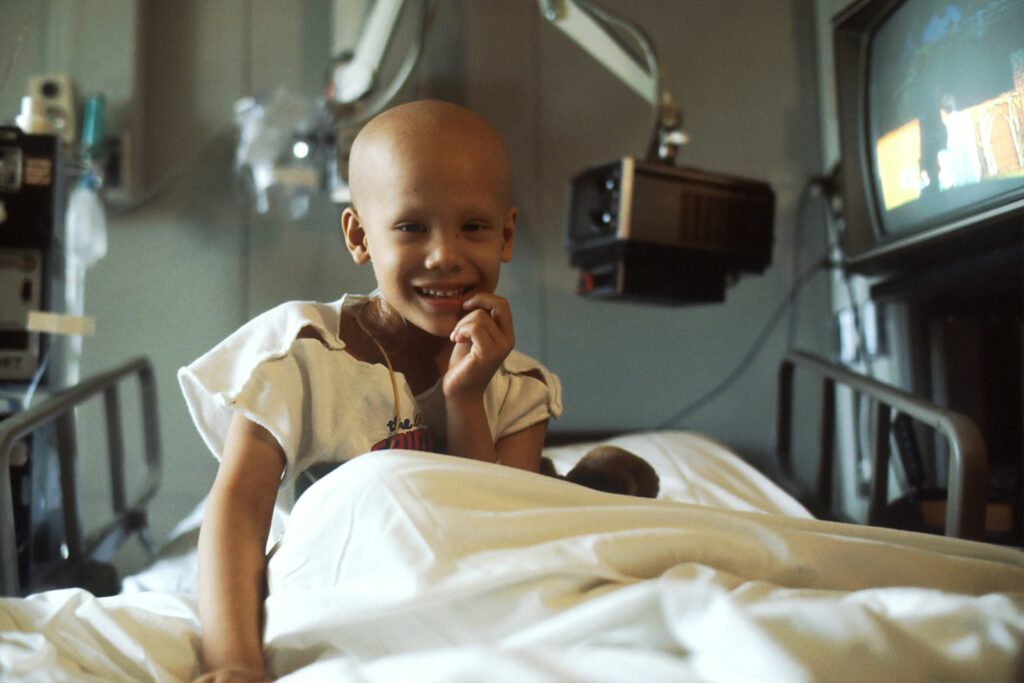
A rare disease is one that affects only a small number of people, though definitions vary by country. Individually uncommon but collectively common — with nearly 7,000 rare diseases identified — together they affect a large number of people. A large share are genetic and many appear in childhood, though they affect all ages and are often lifelong. Reaching a diagnosis can take time (the “diagnostic odyssey”), but genomic testing is increasingly helping, and genetic counselling, coordinated specialist care and support groups make a real difference.
Worried about your child’s health or development?
Message our care team on WhatsApp. Tell us what’s going on and we’ll help you find the right paediatrician — free, with no obligation.
Chat with our care team on WhatsAppNot sure who to see? Find the right specialist →
In a medical emergency, or for severe or sudden symptoms such as breathing difficulty, chest pain, fainting or stroke signs, call 995 immediately.
If someone is acutely and severely unwell — difficulty breathing, unresponsiveness or a seizure — call 995. Otherwise start with a GP or paediatrician, who can refer to genetics or the right specialist. A diagnosis can have implications for relatives.
What “rare disease” means
A rare disease affects only a small number of people, and the exact threshold varies by country. The key idea is “rare individually, common together”: because so many different rare diseases exist — MedlinePlus notes nearly 7,000 have been identified — they collectively affect a large number of people. This framing matters, because it means rare-disease care and support are relevant to far more families than the word “rare” suggests.
Causes and genetics
A large share of rare diseases are genetic, caused by changes in genes, and many appear in childhood, though rare diseases affect people of all ages and are often lifelong. Inheritance patterns vary by condition: some are passed down in recognisable family patterns, some arise as new (de novo) changes with no prior family history, and others result from a mix of genetic and environmental factors. It is best not to over-generalise, because the pattern differs from one condition to the next.
How they present
By their nature rare diseases are diverse. Many are multi-system, affecting several organs, or show up as unexplained developmental delay, neurological problems, or unusual combinations of symptoms. Because presentations overlap with commoner conditions, they can be hard to recognise, which is part of why diagnosis is often delayed.
The diagnostic journey
Rare diseases are frequently not diagnosed correctly and are often very complex, so families may see many doctors over a long time before an answer — the so-called diagnostic odyssey. Genomic testing is improving this: broader tests such as gene panels, exome or genome sequencing can increasingly identify the underlying cause faster than before. This should be framed as improving and often shortening the journey rather than guaranteeing an answer for everyone, and genetic counselling is central to explaining what a test can and cannot show. Even when testing does not pinpoint a single cause straight away, it can narrow the possibilities, rule conditions out, and be repeated or reanalysed later as scientific knowledge grows.
Management and outlook
Realistically, many rare diseases have no cure, and MedlinePlus notes they often have no treatment or not very effective treatment. However, supportive care, symptom management and — for a growing number of conditions — targeted or disease-specific treatments can make a real difference to health and quality of life. Care is usually multidisciplinary, with several specialists working together over the long term, and support groups and patient organisations are valuable for information, practical help and peer support.
When to seek assessment
Consider asking a doctor about referral for genetic or specialist assessment when there is unexplained developmental delay, unexplained neurological problems, symptoms affecting several body systems that do not fit a common diagnosis, a condition that is not responding as expected, or a relevant family history such as a similar unexplained condition or several affected relatives. If someone is acutely and severely unwell, call 995; otherwise a GP or paediatrician can refer to the right service.
Family implications
Because many rare diseases are genetic, a diagnosis in one person can have implications for relatives — for parents’ future pregnancies, for siblings, and sometimes for the wider family — and results can be uncertain or carry information relatives may or may not want. Genetic counselling helps families understand inheritance, recurrence chance and testing options, and supports informed, unpressured decisions, since testing choices are personal. A confirmed genetic diagnosis can also open doors — to more accurate information about what to expect, to the right specialists and services, and sometimes to specific treatments or trials — which is part of why pursuing a diagnosis can be worthwhile even for a condition with no cure.
How to access help in Singapore
Clinical genetics, genetic counselling and multidisciplinary paediatric services are available at KK Women’s and Children’s Hospital (KKH) and the National University Hospital (NUH), reached through a GP, paediatrician or specialist. The Rare Disorders Society (Singapore) provides informational, psychosocial and financial support to patients and caregivers, and Singapore has a Rare Disease Fund that helps eligible patients with the cost of certain treatments — ask the Rare Disorders Society, MOH or your care team for current details. Peer support from other families who understand the condition can be as valuable as the medical care itself, so it is worth reaching out early rather than navigating everything alone. HealthHub and MOH offer general information.
Related genetics & genomic-health topics
- Genetic testing
- Genetic counselling
- Carrier screening
- Hereditary breast & ovarian cancer
- Lynch syndrome
- Down syndrome
- Prenatal genetic testing
- Familial hypercholesterolaemia
- Pharmacogenomics
- Thalassaemia
- Paediatricians in Singapore
Sources
- MedlinePlus — Rare Diseases: medlineplus.gov
- Rare Disorders Society (Singapore): rdss.org.sg
- Down Syndrome Association (Singapore): downsyndrome-singapore.org