
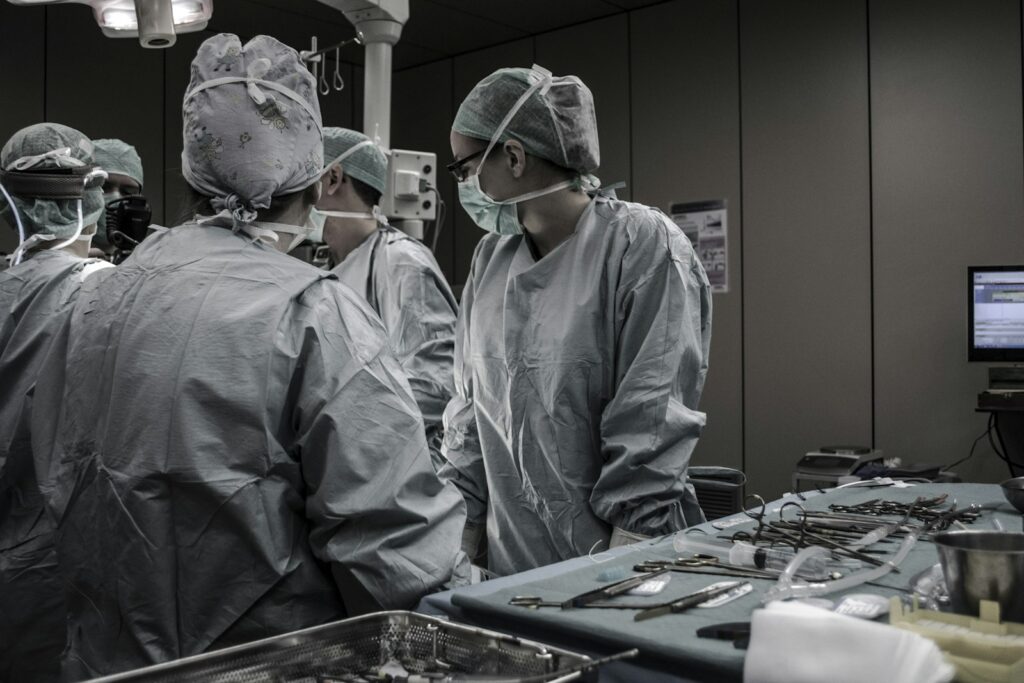
Surgery is one of the main cancer treatments, and for many solid tumours found early it may be the main or only treatment needed. It does more than remove a tumour: surgery is also used to diagnose (biopsy), to stage the cancer by checking lymph nodes, to reconstruct, and sometimes to relieve symptoms. This guide explains the roles of cancer surgery, how it fits with chemotherapy and radiotherapy, what terms like “margin” and “sentinel node” mean, why waiting for pathology results is normal, and the recovery warning signs to act on.
Facing a cancer diagnosis, or worried about a symptom?
Message our care team on WhatsApp. Tell us what’s going on and we’ll help you find the right oncologist — free, with no obligation.
Chat with our care team on WhatsAppNot sure who to see? Find the right specialist →
In a medical emergency, or for severe or sudden symptoms such as breathing difficulty, chest pain, fainting or stroke signs, call 995 immediately.
Coming to Singapore from overseas for treatment? See our guide for international patients — costs, visas, travel and language support — or chat with our care team on WhatsApp.
This is general information; your surgical and oncology team explain the plan and risks for your situation during informed consent. After cancer surgery, seek urgent care (call 995 or go to A&E) for heavy bleeding, chest pain or sudden breathlessness or a hot, swollen calf (possible clot), or a wound that is increasingly red, hot or discharging with fever (possible infection or sepsis). See our preparing for surgery and wound care guides.
The many roles of cancer surgery
Cancer surgery serves several purposes. It can remove a sample of tissue to diagnose the cancer (a biopsy); remove the tumour itself, usually with a rim of healthy tissue around it; check or remove lymph nodes to help work out the stage; reduce the bulk of a tumour (debulking) when complete removal is not possible; reconstruct an area after removal; and, at times, relieve symptoms such as bleeding, pain or a blockage. Understanding which of these roles applies to you helps make sense of what your operation is trying to achieve.
How surgery fits with other treatments
Surgery is often part of a wider plan. When treatment such as chemotherapy or radiotherapy is given before surgery to shrink a tumour, it is called neoadjuvant treatment; when it is given after surgery to lower the risk of the cancer returning, it is called adjuvant treatment. Sometimes surgery is the only treatment needed. Your team decides the order based on the type and stage of your cancer, and the results of the surgery itself often help shape what, if anything, follows.
Types of operation
Cancer operations may be done as open surgery through a single larger incision, or by keyhole (laparoscopic) or robotic-assisted techniques through smaller cuts, or via endoscopic approaches, depending on the cancer and its location. Smaller-incision approaches can mean less pain and a quicker recovery for suitable cases, but the right approach is the one that lets the surgeon remove the cancer safely and completely — our keyhole surgery guide explains the minimally invasive options. Your surgeon will explain why a particular approach suits your situation.
Preparing for cancer surgery
Preparation is much like any planned major operation, with fitness checks that may include blood tests and sometimes a chest X-ray or scans, a discussion of the plan, and informed consent. You will be given specific instructions on fasting and on which medicines to take or hold — follow them exactly, and never stop a prescribed medicine on your own. Our preparing for surgery guide covers the general steps, and this is a good time to write down your questions for the team.
What a “margin” means, and waiting for pathology
When a surgeon removes a tumour, they aim to take a margin — a rim of normal tissue around it — so that no cancer is left at the edge. Afterwards the removed tissue is examined in the laboratory: a clear (negative) margin means no cancer cells were seen at the edge, while a positive margin means cancer cells reached the edge and further treatment may be advised. This laboratory analysis takes time, often days to a couple of weeks, and waiting for it is a normal part of the process, not a sign that something is wrong. The results give the most accurate picture of the stage and guide what comes next.
Lymph nodes and sentinel node biopsy
Because cancer can spread through the lymph system, your team may check or remove lymph nodes as part of the operation. A sentinel lymph node biopsy is a way of doing this efficiently: the surgeon identifies and removes the first node or nodes that the cancer would be most likely to spread to, and the laboratory checks them for cancer cells. The result helps determine the stage and whether further treatment is needed, while limiting the number of nodes removed where that is appropriate.
Recovering, results and follow-up
Recovery depends on the operation and approach, with hospital stays and activity limits varying accordingly; gentle, graded return to activity and good wound care support healing, and our wound care after surgery guide covers this. Once pathology results are back, your team discusses whether any further treatment — chemotherapy, radiotherapy or hormone therapy — is advised, and sets up a follow-up schedule; in Singapore, cancer follow-up commonly continues for years with clinic reviews, blood tests and imaging. Seek urgent care for the red flags above — heavy bleeding, signs of a clot, or a wound infection with fever. The reassuring bottom line is that cancer surgery is a precise, well-planned treatment with clear aims: remove the cancer safely, learn from the tissue exactly what you are dealing with, and use that to guide the next steps — and your team walks you through each stage.
Related cancer treatment & support topics
- Hormone therapy for cancer
- Managing chemotherapy side effects
- Cancer-related fatigue
- Eating well during cancer treatment
- Coping with hair loss
- Understanding clinical trials
- Fertility preservation before treatment
- Coping emotionally with cancer
- Life after cancer treatment
- Cancer treatment costs in Singapore
- Oncologists in Singapore
Sources
- National Cancer Institute — Surgery to treat cancer: cancer.gov
- Cancer Research UK — Surgery: cancerresearchuk.org
- National Cancer Centre Singapore — Surgery: nccs.com.sg