
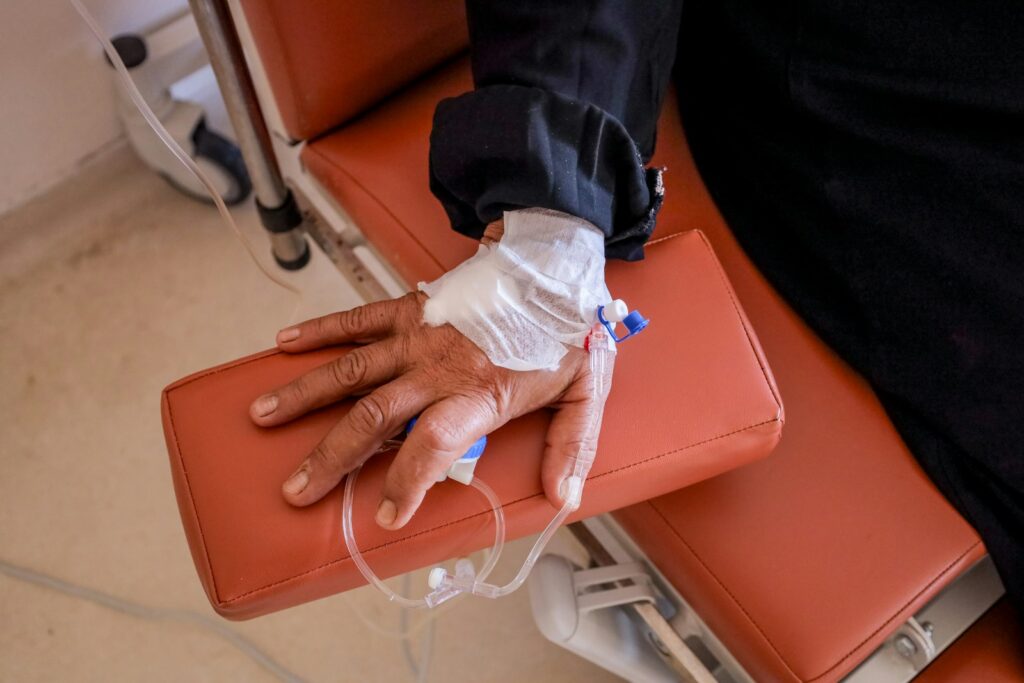
Hormone therapy — also called hormonal or endocrine therapy — is a cancer treatment that blocks or lowers the hormones that fuel certain cancers, to slow or stop their growth. It is used mainly for hormone-sensitive breast cancer and prostate cancer, and it works only when the cancer is hormone-driven. An important point up front: this is the opposite of HRT (menopausal hormone replacement) — HRT adds hormones to relieve menopause symptoms, whereas cancer hormone therapy takes hormones away or blocks their effect. This guide explains how it works, why it is taken for a long time, and how its side effects are managed.
Facing a cancer diagnosis, or worried about a symptom?
Message our care team on WhatsApp. Tell us what’s going on and we’ll help you find the right oncologist — free, with no obligation.
Chat with our care team on WhatsAppNot sure who to see? Find the right specialist →
In a medical emergency, or for severe or sudden symptoms such as breathing difficulty, chest pain, fainting or stroke signs, call 995 immediately.
Coming to Singapore from overseas for treatment? See our guide for international patients — costs, visas, travel and language support — or chat with our care team on WhatsApp.
This is general information, not a substitute for your oncology team’s advice, and it names no specific medicines or doses. Hormone therapy is often taken for years, and stopping it early can raise the risk of the cancer returning — never stop or change it on your own; talk to your team. Seek urgent care (call 995) for chest pain, sudden breathlessness or a hot, swollen, painful calf (possible clot).
What hormone therapy is, and how it differs from HRT
Some cancers use the body’s own hormones as fuel to grow. Hormone therapy works either by lowering how much of a hormone the body makes, or by blocking the hormone from acting on the cancer cells — in both cases removing the fuel. This is fundamentally different from HRT: menopausal hormone replacement adds hormones to ease symptoms, while cancer hormone therapy does the reverse. Keeping this distinction clear avoids a common and understandable confusion, since the two share the word “hormone” but do opposite things.
Which cancers it treats, and how doctors decide
Hormone therapy helps only hormone-driven cancers. In breast cancer, tissue from the tumour is tested for hormone receptors (often described as oestrogen- and progesterone-receptor status), and hormone therapy is used when the cancer is receptor-positive; it does not help receptor-negative disease. In prostate cancer, the cancer typically depends on testosterone, and hormone therapy aims to lower or block it. Your team decides based on these test results and your overall situation, which is why the same diagnosis can lead to different treatment plans for different people.
How it is given, and why for so long
Hormone therapy is usually given as tablets or injections, and sometimes as implants; occasionally surgery to remove a hormone-producing organ is part of the approach. It is often taken for years — in early breast cancer, commonly over several years — because it keeps working quietly over time to lower the chance of the cancer returning. This long duration is exactly why sticking with it matters: the benefit builds over the full course, and stopping early can reduce that protection. If side effects are troubling you, the answer is to tell your team, not to quietly stop.
Side effects — breast cancer and female pattern
Because hormone therapy lowers or blocks hormones, many side effects resemble menopause: hot flushes and sweats, vaginal dryness, joint aches, mood changes, and reduced libido, along with possible effects on fertility. Some hormone therapies can also thin the bones over time, raising the risk of osteoporosis. Most of these can be eased with practical measures and your team’s help, so report what bothers you. None of this means the treatment is not working — these effects are a consequence of the very hormone changes that are helping to control the cancer.
Side effects — prostate cancer and male pattern
In prostate cancer, lowering testosterone commonly causes hot flushes, fatigue, reduced libido and erectile difficulties, breast tenderness or swelling, and changes in mood, weight and muscle. Over the longer term it can affect bone strength and carries some metabolic and heart considerations that your team will keep in view. As with the breast-cancer pattern, these effects reflect the treatment doing its job, and many can be managed — so raising them with your team is the right response rather than stopping treatment.
Monitoring and bone health
Hormone therapy comes with regular monitoring. For prostate cancer this often includes PSA blood tests to track the cancer’s response; for breast cancer it includes clinical reviews and, as needed, imaging. Because some hormone therapies affect the bones, your team may arrange bone-density checks and advise on bone health — typically weight-bearing exercise and adequate calcium and vitamin D as appropriate for you. Keeping these appointments lets your team catch and manage any effects early, which is part of what makes long-term treatment safe.
Living with it, and when to seek help
The most useful mindset is to treat side effects as things to report and manage rather than reasons to quit. Practical measures, and sometimes adjustments your team can make, help many people stay on treatment comfortably. In Singapore, the National Cancer Centre Singapore Cancer Helpline (6225 5655) and the Singapore Cancer Society offer support, and a medical social worker can advise on financing — see our cancer treatment costs guide. Seek urgent care for chest pain, sudden breathlessness or a hot, swollen, painful calf, which can signal a clot — call 995; and for new low mood or thoughts of self-harm, reach 1767 or 1771. The reassuring bottom line is that hormone therapy is a well-established, effective treatment for hormone-sensitive cancers that works steadily over years — and that staying on it, while working with your team on side effects, gives it the best chance to do its job.
Related cancer treatment & support topics
- Cancer surgery: what to expect
- Managing chemotherapy side effects
- Cancer-related fatigue
- Eating well during cancer treatment
- Coping with hair loss
- Understanding clinical trials
- Fertility preservation before treatment
- Coping emotionally with cancer
- Life after cancer treatment
- Cancer treatment costs in Singapore
- Oncologists in Singapore
Sources
- Cancer Research UK — Hormone therapy: cancerresearchuk.org
- National Cancer Institute — Hormone therapy to treat cancer: cancer.gov
- National Cancer Centre Singapore — Breast cancer: nccs.com.sg