
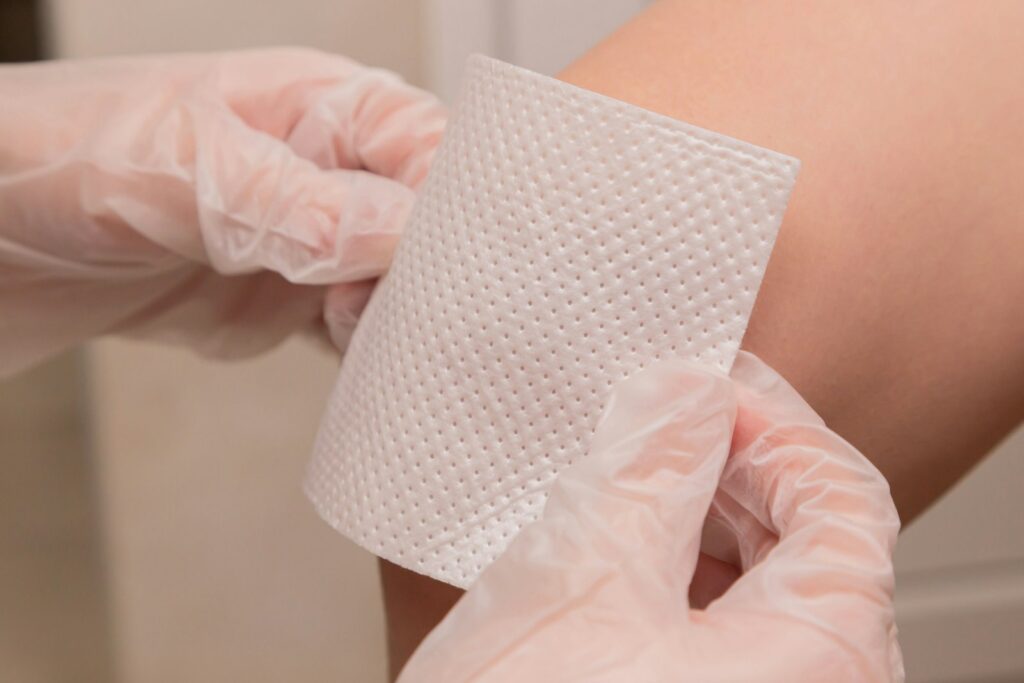
Looking after a surgical wound at home in the days and weeks after an operation helps it heal cleanly and lowers the risk of infection. The basics are simple: keep the wound clean and dry, follow the exact dressing and showering instructions your team gave you, wash your hands before touching it, and do not pick at scabs, stitches or glue. Most wounds heal without any trouble. This guide explains what normal healing looks like, what supports it, and the warning signs — including of a blood clot — that mean you should get help.
Not sure which general surgeon you need?
Message our care team on WhatsApp. Tell us what’s going on and we’ll help you find the right general surgeon — free, with no obligation.
Chat with our care team on WhatsAppNot sure who to see? Find the right specialist →
In a medical emergency, or for severe or sudden symptoms such as breathing difficulty, chest pain, fainting or stroke signs, call 995 immediately.
Follow the specific wound-care instructions your surgical team gave you — they can differ by procedure and dressing. Seek prompt medical review for spreading redness, increasing pain, heat, pus, a bad smell, a wound that opens, or a fever. Call 995 for bleeding you cannot stop, if you feel very unwell (possible sepsis), or for sudden breathlessness or chest pain (possible clot on the lung).
The basics of caring for your wound
Keep the wound clean and dry, and follow the specific instructions you were given on when to change the dressing and when the wound can get wet, because these vary by procedure and dressing type. Wash your hands before and after touching the wound or dressing, and try not to touch the wound itself — handle only the edges of the dressing. Do not pick at scabs, stitches, staples, strips or glue; let them come away or be removed as advised, as picking can reopen the wound and let in bacteria. Our stitches and wound closure guide covers the different closures.
Showering, bathing and dressings
As a general guide, many people can shower safely about 48 hours after surgery, but the safest answer is always to follow the exact timing your own team gave you. Showering is generally preferred to soaking, so avoid baths, pools and the sea until the wound has healed and you have been told it is fine. Change dressings only as instructed rather than more often, and if you have been shown how to clean the wound, use the method the team gave you. If you are unsure, ask the clinic that is following up your wound rather than guessing.
What supports healing
Your body rebuilds tissue using good nutrition, so eat well with enough protein rather than under-eating during recovery, and stay hydrated. Not smoking matters — smoking narrows the blood vessels that carry healing blood to the wound and is linked to poorer healing and more complications. Gentle movement within the limits your team sets supports recovery and helps reduce the risk of blood clots, but avoid straining the wound. If you have a long-term condition such as diabetes, keeping it well controlled helps healing, as high blood sugar raises the risk of infection.
What normal healing looks like
In the first few days, some mild redness right at the wound edges, slight swelling, and a small amount of clear or blood-tinged ooze can be entirely normal, along with tenderness that gradually improves. Over the following weeks the wound closes and any scar matures and fades. Healing is a gradual process, and a wound that is slowly getting more comfortable, drier and less red day by day is generally doing what it should. Knowing what is normal makes it easier to spot the changes that are not.
Signs of infection or a wound breaking down
Some changes point toward a problem and should be reviewed. Warning signs of infection include pain that is increasing rather than settling, redness that is spreading outward from the wound, the area feeling hot, pus or cloudy or coloured discharge, or a bad smell. A wound that opens, gapes, or whose edges separate also needs attention, as does a fever or feeling generally unwell. None of these means disaster, but they do mean you should seek medical review promptly rather than waiting to see.
Blood-clot awareness after surgery
Surgery temporarily raises the risk of a blood clot in a leg vein (a deep vein thrombosis, or DVT). Watch for throbbing or cramping pain, swelling, and red, darkened or warm skin, usually in just one calf or leg. More seriously, a clot can travel to the lungs (a pulmonary embolism), which is a medical emergency: sudden breathlessness, chest pain that is worse when you breathe in, or coughing up blood means you should call 995 immediately. Staying gently mobile as advised, and following any clot-prevention measures your team gave you, helps lower this risk.
When it is an emergency
Most wound problems can be handled with a same-day clinic review, but some need emergency care. Call 995 for bleeding you cannot stop with firm pressure, or if you feel very unwell — a high fever, shivering, confusion, fast breathing or a racing heart, or feeling faint — because these can signal sepsis, a dangerous response to infection that needs urgent treatment. Sudden breathlessness or chest pain, as above, also needs 995. For spreading redness, pus, a gaping wound or a fever without those emergency features, seek same-day medical review.
Scar care and the Singapore picture
Once a wound is fully healed, simple steps help the scar: keep it out of strong sun, which can darken a new scar, and moisturise the healed skin; silicone gels or sheets are a commonly used option you can ask your doctor or pharmacist about. Only start scar treatments once the wound is fully closed, never on an open wound. In Singapore, your wound-care plan comes from your surgeon or hospital team, follow-up dressing changes may be done at a polyclinic, GP or hospital clinic, and HealthHub offers a patient wound-care resource. The reassuring bottom line is that the great majority of surgical wounds heal well with simple, consistent care — keep it clean and dry, do not disturb it, support your body with good food and rest, and know the handful of red flags — and that if anything looks or feels wrong, a quick call to your follow-up clinic is always the right move.
Related procedure & surgery topics
- Preparing for surgery
- Fasting before surgery
- General anaesthesia
- Sedation for procedures
- Day surgery
- Keyhole (laparoscopic) surgery
- Stitches & wound closure
- IV drip & cannula
- Blood transfusion
- How to pay for surgery
- General surgeons in Singapore
Sources
- NICE — Surgical site infections (NG125): nice.org.uk
- NHS — Deep vein thrombosis (DVT): nhs.uk
- HealthHub Singapore — Wound care: healthhub.sg