
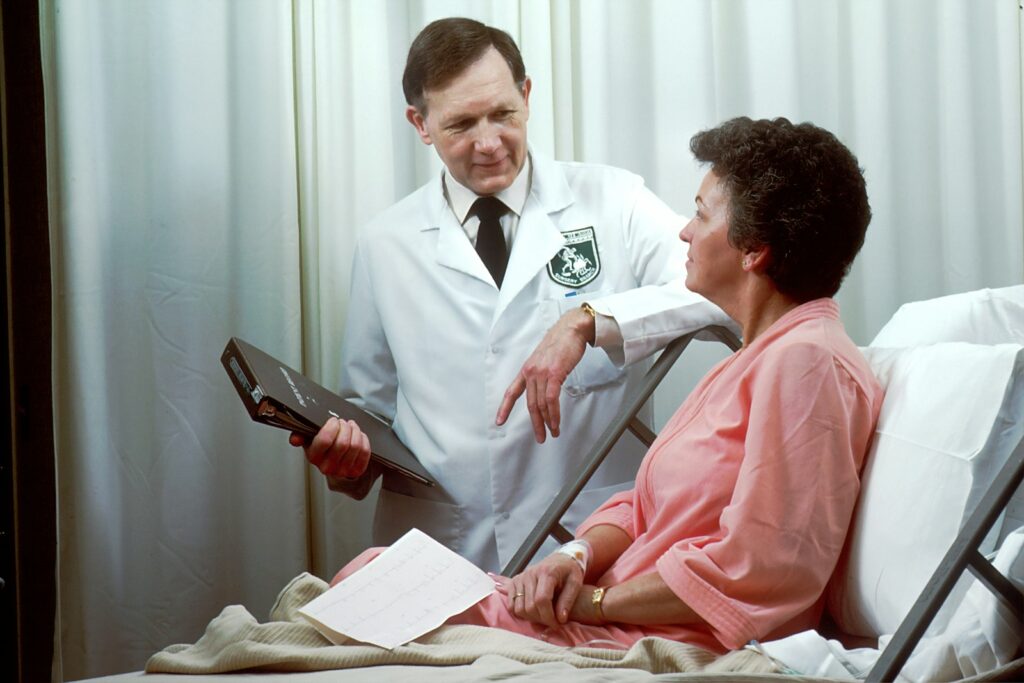
Post-intensive care syndrome (PICS) is the term for new or worsening problems in physical strength, thinking and mental health that can persist after someone survives a critical illness and leaves the intensive care unit (ICU). It is not a single disease but a cluster of after-effects — muscle weakness and fatigue, “brain fog,” and anxiety, low mood or post-traumatic stress. Many people recover well, but for some the effects last months. Recovery is a gradual, team-based rehabilitation, and family members can be affected too.
Not sure which rehabilitation physician you need?
Message our care team on WhatsApp. Tell us what’s going on and we’ll help you find the right rehabilitation physician — free, with no obligation.
Chat with our care team on WhatsAppNot sure who to see? Find the right specialist →
In a medical emergency, or for severe or sudden symptoms such as breathing difficulty, chest pain, fainting or stroke signs, call 995 immediately.
Seek urgent help for new or worsening breathlessness or chest pain, signs of infection, or a painful, swollen calf — call 995 for severe symptoms. For hopelessness or thoughts of self-harm, contact the Samaritans of Singapore (SOS) on 1767 or mindline.sg; call 995 if life is in immediate danger.
What it is
PICS covers three overlapping areas. Physical effects include ICU-acquired weakness — profound muscle weakness and wasting from immobility and critical illness — along with deconditioning, breathlessness, fatigue and poor appetite, and sometimes voice or swallowing problems after a breathing tube. Cognitive effects are the “brain fog” of memory, attention and concentration problems, sometimes following delirium in the ICU. Psychological effects include anxiety, low mood, and post-traumatic stress with nightmares or intrusive memories. The equivalent strain on family members is sometimes called PICS-F.
Who is affected
Anyone who survives a serious critical illness can develop PICS, including previously fit, younger adults. Risk appears higher after mechanical ventilation (especially if prolonged), sepsis or severe infection, severe pneumonia, ARDS or multi-organ failure, delirium, deep or prolonged sedation and immobility, a longer ICU stay, and in older age or with frailty or pre-existing conditions. These are associations, not certainties — some people with several risk factors recover fully, and there is no way to predict exactly who will be affected.
How recovery works
Recovery is a rehabilitation rather than a single treatment. It often begins in the ICU with early mobilisation and physiotherapy, minimising sedation and delirium, and sometimes an ICU diary to help fill memory gaps later. Afterwards, physiotherapy rebuilds strength, balance and stamina; occupational therapy helps relearn daily activities, pace energy and plan a return to work and driving; speech and language therapy addresses voice or swallowing; and a dietitian supports rebuilding weight and muscle. Psychological support and, where available, ICU follow-up clinics coordinate the different strands.
Realistic timeline
Recovery is often gradual and measured in months, and some people take a year or more, with progress that is frequently uneven — good days and setbacks. Fatigue and weakness commonly improve first with graded activity, while cognitive and psychological effects can take longer and may need specific support. Outcomes vary widely with age, prior health, illness severity and complications, so it is more helpful to expect substantial improvement over months than to hold to a fixed timeline.
Family and carer strain
Relatives and carers commonly experience anxiety, low mood, sleep problems and post-traumatic stress — the PICS-F pattern — alongside practical and financial strain and their own exhaustion. This is real and worth naming. Caregiver support, respite, home-care arrangements and financial schemes can be arranged through the Agency for Integrated Care (1800-650-6060), and hospital medical social workers can advise.
Red flags
Seek urgent medical assessment for new or worsening breathlessness, chest pain, coughing up blood or a fast or irregular heartbeat — call 995 for severe breathlessness or chest pain. Signs of infection such as a high fever, shaking chills or a hot, swollen or discharging wound need same-day care, and a painful, swollen, red or hot calf may be a clot. Sudden confusion, a severe headache, one-sided weakness, slurred speech or a first-ever seizure means calling 995. For hopelessness or thoughts of self-harm, seek help urgently — SOS 1767 and mindline.sg are there to help.
Self-management and support
Pace and plan activity, building up gradually and avoiding boom-and-bust; set small, realistic goals and keep a simple progress diary; prioritise sleep and routine; and eat regular meals with enough protein to rebuild muscle, involving a dietitian if appetite is poor. Talking about frightening ICU memories, and filling gaps with an ICU diary or with family and staff, can reduce distress, and seeking help early for persistent anxiety or low mood matters. Talking to others who have been through critical illness can be reassuring, because it makes the strange, uneven pattern of recovery feel less isolating; peer-support organisations such as ICU Steps offer information and community. In Singapore, HealthHub and the Agency for Integrated Care support recovery and community care, and hospital medical social workers can help with the practical and financial side of getting back on your feet after a long admission.
When to see a doctor
See your GP or follow-up clinic if weakness, brain fog or low mood are not improving or are affecting daily life, and ask for the relevant assessment or referral. Act urgently on the red flags above, and reach out to SOS 1767 or mindline.sg in emotional distress.
Related rehabilitation & therapy topics
- Spinal cord injury rehabilitation
- Spasticity management
- Amputee rehabilitation
- Cardiac rehabilitation
- Vestibular rehabilitation
- Cancer rehabilitation
- Occupational therapy
- Speech & language therapy
- Hand therapy
- Stroke recovery & rehabilitation
- Rehabilitation physicians in Singapore
Sources
- NHS — Intensive care: nhs.uk
- ICU Steps — patient and relative support: icusteps.org
- Agency for Integrated Care (AIC): aic.sg
- HealthHub Singapore: healthhub.sg