
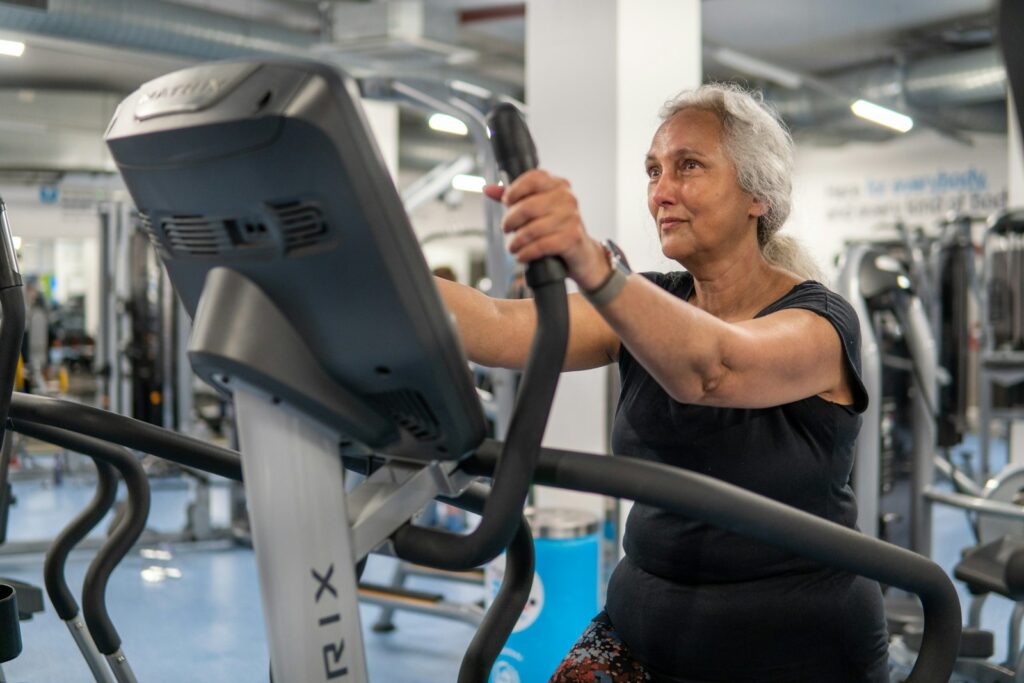
Cardiac rehabilitation is a structured, medically supervised programme that helps people recover after a heart event or procedure and lowers the risk of future problems. It combines supervised exercise, education and risk-factor and lifestyle change with emotional support, delivered by a multidisciplinary team over several weeks and then continued for life. It is offered after a heart attack, bypass or valve surgery, a stent, heart failure or angina, and exercising within a supervised programme is safer than exercising alone after a cardiac event — which is exactly the point of doing it with staff and monitoring on hand.
Not sure which rehabilitation physician you need?
Message our care team on WhatsApp. Tell us what’s going on and we’ll help you find the right rehabilitation physician — free, with no obligation.
Chat with our care team on WhatsAppNot sure who to see? Find the right specialist →
In a medical emergency, or for severe or sudden symptoms such as breathing difficulty, chest pain, fainting or stroke signs, call 995 immediately.
Stop exercising and seek help for chest pain or tightness, severe or unusual breathlessness, dizziness or fainting, or palpitations. Call 995 immediately for suspected heart attack — chest pain lasting more than a few minutes, or with breathlessness, sweating or nausea.
What it is and who it is for
Cardiac rehabilitation is a programme that helps you recover from a heart event and manage a heart condition long-term. It is for people who have had a heart attack, coronary bypass or valve surgery, a coronary stent or angioplasty, heart failure or stable angina, and it is also commonly offered after arrhythmia treatment, a pacemaker or defibrillator, or a cardiac arrest. In Singapore, patients are usually referred by their cardiologist or the ward team before discharge.
The phases
Rehabilitation typically runs in three phases. Phase 1, in hospital, involves gentle early mobilisation, reassurance and first education about the condition, medicines and warning symptoms. Phase 2, the core outpatient phase, brings supervised exercise sessions together with education over several weeks — often described as around six to ten weeks, though the exact length varies by centre and patient. Phase 3 is long-term maintenance, continuing exercise and healthy habits independently or in a community group, for life.
What the programme includes
The core components are supervised, individually tailored and progressive exercise — walking, stationary cycling and light resistance work with monitoring — alongside risk-factor modification covering smoking cessation, healthy eating and weight, cholesterol and blood pressure, and diabetes control. The programme also supports medication adherence, provides education on the condition and warning symptoms, and offers psychological support, because anxiety and low mood are common after a cardiac event.
The team
Cardiac rehabilitation is delivered by a multidisciplinary team that may include cardiologists and physicians, specialist cardiac-rehabilitation nurses, physiotherapists or exercise physiologists, dietitians, pharmacists and psychologists or counsellors, and sometimes occupational therapists and medical social workers. In Singapore, programmes run at restructured hospitals and at the National Heart Centre Singapore (NHCS) and other public cardiac centres.
Benefits and expectations
Cardiac rehabilitation is presented by heart bodies as a way to improve symptoms, fitness, confidence and mood and to support the lifestyle changes that reduce the chance of further events and hospital readmission; some describe it as proven to reduce the risk of death from heart conditions. These are general findings rather than a personal guarantee, and this guide quotes no specific percentage. Benefits build gradually and depend on how consistently the programme is followed — it is not an instant fix, but a foundation for long-term heart health.
Red flags during exercise
Stop exercising and seek help if you develop chest pain, pressure or tightness, severe or unusual breathlessness, dizziness, light-headedness or fainting, palpitations or an irregular or racing heartbeat, or a cold sweat, nausea or pain spreading to the arm, neck or jaw. Call 995 immediately for a suspected heart attack, such as chest pain lasting more than a few minutes or coming with breathlessness, sweating or nausea. Supervised settings are designed so that exercise is done at a safe intensity with help at hand.
Getting the most from it
Attend consistently, because the programme works through repetition and habit-building; bring your medication list and take medicines as prescribed; wear comfortable clothing and shoes and carry your GTN spray if prescribed; and learn your personal safe exertion level and warning signs before exercising on your own. Continue the habits after the formal programme ends, and use HealthHub, community exercise and heart-support groups, and medical social workers for education and psychosocial help. Many people feel anxious or low after a cardiac event and worry about “overdoing it” — this is common, and one of the quiet benefits of a supervised programme is the confidence that comes from exercising safely under monitoring and gradually rediscovering what your heart can do. Emotional support is part of the programme, not separate from it, and pacing your return to work, driving and daily activity with the team’s guidance is entirely normal. Crucially, do not stop your heart medicines just because you feel better — they control ongoing risk.
When to see a doctor
Ask your hospital team about referral before discharge if it has not been mentioned, and raise any new or changing symptoms with the rehabilitation team. Stop and rest for exercise warning signs, use GTN if prescribed, and call 995 for severe or lasting chest pain.
Related rehabilitation & therapy topics
- Spinal cord injury rehabilitation
- Spasticity management
- Amputee rehabilitation
- Vestibular rehabilitation
- Cancer rehabilitation
- Recovery after intensive care
- Occupational therapy
- Speech & language therapy
- Hand therapy
- Stroke recovery & rehabilitation
- Rehabilitation physicians in Singapore
Sources
- NHS — Heart attack: recovery: nhs.uk
- NHS — Coronary heart disease: recovery: nhs.uk
- Heart Foundation — Cardiac rehabilitation: heartfoundation.org.au
- HealthHub Singapore: healthhub.sg