
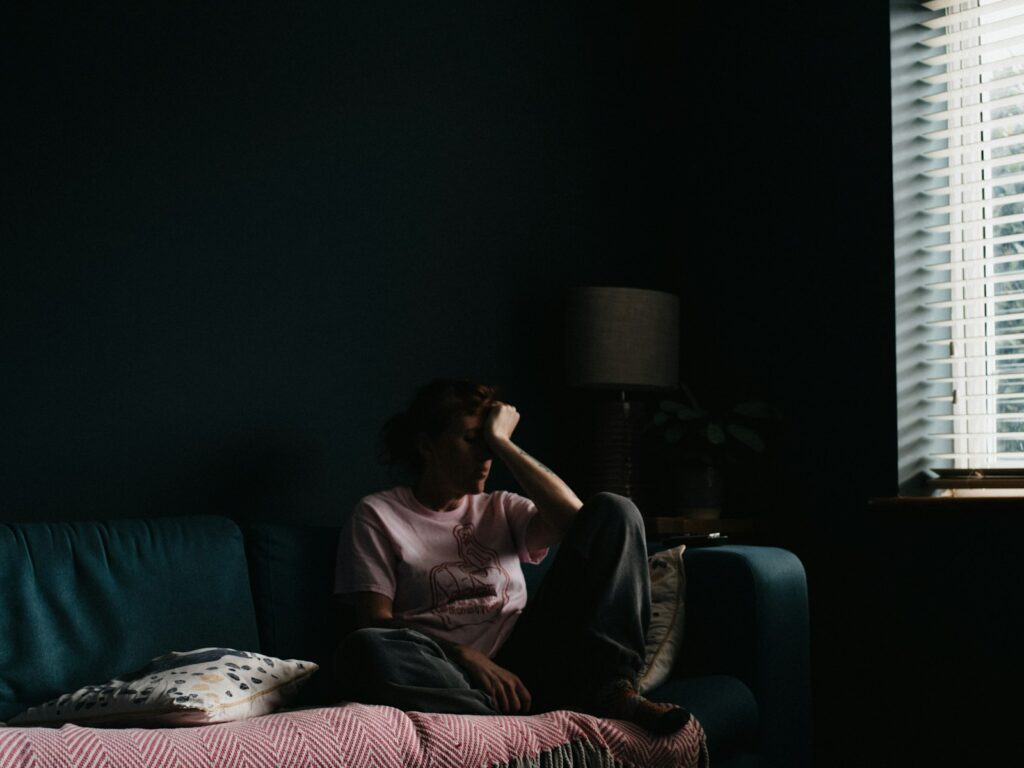
Quick answer. Lupus flares up and settles – a flare is a period when symptoms and disease activity worsen. Common triggers include sunlight/UV, infections, stress, hormonal changes and some medicines, though sometimes there is no clear trigger. Managing flares means learning your early warning signs, resting and pacing, protecting yourself from the sun, contacting your care team early, and keeping taking your medicines – do not stop them. Severe flares can affect the kidneys, heart, lungs or brain and need urgent care. Treat sudden severe symptoms – chest pain, breathlessness, stroke signs – as an emergency and call 995. This is general information, not a diagnosis.
Aching joints, stiffness or an autoimmune diagnosis to make sense of?
Message our care team on WhatsApp. Tell us what’s going on and we’ll help you find the right rheumatologist — free, with no obligation.
Chat with our care team on WhatsAppNot sure who to see? Find the right specialist →
In a medical emergency, or for severe or sudden symptoms such as breathing difficulty, chest pain, fainting or stroke signs, call 995 immediately.
What a flare is
Lupus is a relapsing-remitting condition: it flares up, then quietens into remission. A flare is a period when disease activity and symptoms worsen, sometimes for a few weeks or longer. Flares vary widely in severity – a mild flare might affect the skin and joints, while a severe flare can involve the kidneys, heart, lungs or brain and be organ-threatening. The exact cause of flares is not fully understood, and importantly, sometimes there is no identifiable trigger at all – so a flare is not a sign that you have done something wrong. Understanding flares helps you respond calmly and effectively.
Common triggers
Flares often have triggers, though these vary from person to person. The big one is sunlight and UV exposure, because many people with lupus are photosensitive – and UV includes not just direct sun but sometimes indoor fluorescent or halogen lighting. Other common triggers are infections, emotional or physical stress, hormonal changes (such as around puberty, childbirth or menopause), and certain medicines – which is one reason never to adjust medication yourself. Overexertion and poor sleep can contribute too. Learning your own triggers, ideally with a symptom diary, helps you reduce the ones you can influence, while accepting that not every flare is preventable.
Spotting a flare early
Acting early can make a flare less severe, so it helps to know your personal early warning signs – flares often announce themselves the same way each time. Common early signs include increasing fatigue, returning or worsening joint or muscle pain, new or spreading rashes, a low-grade fever, mouth ulcers, headaches, hair loss or swollen glands. Keeping a simple symptom diary – noting symptoms, their severity and what was happening at the time – helps you recognise your pattern and spot a flare building. The earlier you notice and act, the more your care team can often do to blunt it.
Building a flare plan
A simple flare plan takes some of the fear out of setbacks. Agree with yourself, and where possible your team, what to do: rest and pace, prioritising sleep and reducing activity rather than pushing through; protect yourself from the sun rigorously; contact your rheumatology team or GP early rather than waiting, as treatment can often be adjusted to limit the flare; and keep taking your prescribed medicines – do not stop the antimalarial or other lupus medicines during a flare, as stopping can make things worse. Knowing your red flags and the 995 threshold completes the plan, so you know when self-care is not enough.
Sun protection during and between flares
Because UV is such a common trigger, sun protection is part of flare management as well as everyday self-care. Use a broad-spectrum, high-factor sunscreen – the NHS suggests factor 50 or above for people with lupus – and reapply it; cover up with a wide-brimmed hat, long sleeves and UV-protective clothing; and seek shade, especially in the strong midday hours. In Singapore, where UV is high year-round, this is a daily habit rather than a holiday one. Very photosensitive people may also react to UV through windows or from some indoor lighting, which is worth mentioning to your doctor. Sun protection is covered in more detail in the dedicated guide in this series.
When a flare is an emergency
Most flares are managed with rest, sun protection and a review of treatment, but some need urgent care. Call 995 or go to A&E for sudden severe symptoms, stroke signs (face droop, arm weakness, speech difficulty), chest pain or breathlessness, a sudden severe headache, or a seizure. Seek urgent same-day care for signs of kidney involvement – reduced urine, frothy urine, or swelling of the legs, ankles or face – and for signs of a serious infection with fever, especially if you are on immunosuppressants or steroids, when infections can escalate quickly. And remember that steroids must never be stopped abruptly; they are tapered under medical guidance.
Support in Singapore
In Singapore, lupus flares are managed by your rheumatology team, with ongoing follow-up and regular monitoring blood tests, plus eye checks for those on the antimalarial. Public rheumatology at hospitals such as NUH, SGH, TTSH and Sengkang General Hospital, and private clinics, provide this care, and community pharmacists can advise on sun protection and medicines. The Lupus Association (Singapore) (lupus.sg) offers peer support and education. For emergencies, call 995; for urgent but non-emergency concerns out of hours, contact your care team or the nearest A&E. Acting early and staying connected to your team is the heart of managing flares well.
Related lupus topics
- Living with lupus
- Understanding symptoms & diagnosis
- Treatment & medication
- Lupus & the sun (photosensitivity)
- Fatigue & joint pain
- Lupus & mental health
- Kidney involvement (lupus nephritis)
- Pregnancy & lupus
- Diet, lifestyle & self-care
- Lupus (SLE) overview
- Lupus nephritis
- Rheumatologists in Singapore
Sources
- NHS – Lupus: nhs.uk
- NHS – Sunscreen and sun safety: nhs.uk
- Samaritans of Singapore (SOS) – 1767: sos.org.sg
- mindline.sg – 1771: mindline.sg