
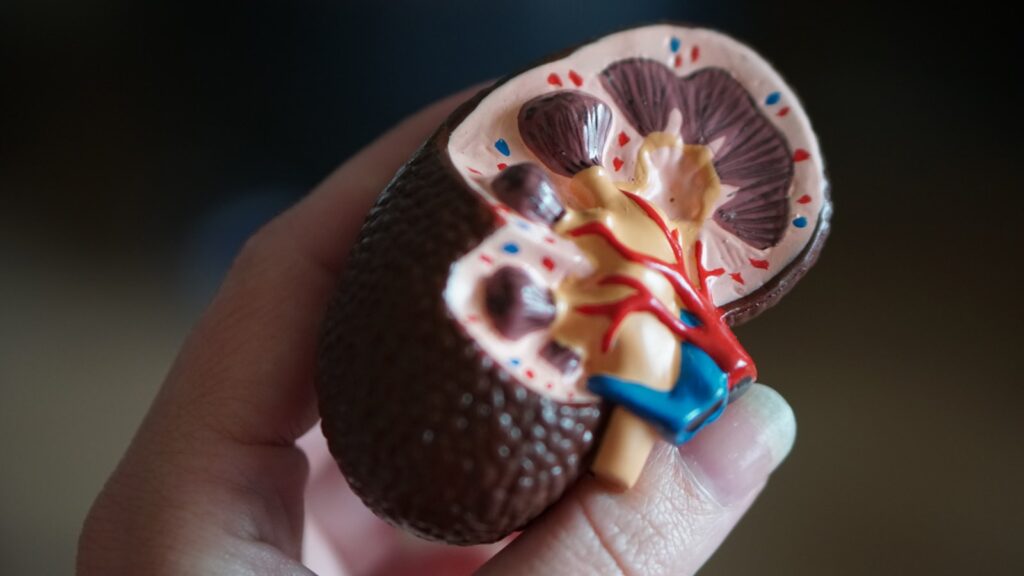
Quick answer. Lupus nephritis is inflammation of the kidneys caused by systemic lupus erythematosus (SLE), where the immune system attacks the kidneys’ tiny filtering units. It is one of the most common and serious complications of lupus, but because it is often silent in the early stages, regular urine and blood tests are the key to catching and treating it before lasting kidney damage occurs.
Aching joints, stiffness or an autoimmune diagnosis to make sense of?
Message our care team on WhatsApp. Tell us what’s going on and we’ll help you find the right rheumatologist — free, with no obligation.
Chat with our care team on WhatsAppNot sure who to see? Find the right specialist →
In a medical emergency, or for severe or sudden symptoms such as breathing difficulty, chest pain, fainting or stroke signs, call 995 immediately.
The single most useful action for anyone with lupus: keep up with your scheduled urine and blood tests, even when you feel completely well – that’s how kidney involvement is caught early, when it responds best.
What lupus nephritis is
In lupus, the immune system mistakenly makes antibodies against the body’s own tissues. When these lodge in the kidneys, they trigger inflammation in the glomeruli – the microscopic filters that clean the blood and make urine. Damaged filters leak substances they should keep in, especially protein and sometimes red blood cells. Over time, uncontrolled inflammation can scar the kidneys and reduce their ability to filter, which is why early detection and treatment matter so much. Lupus nephritis is a direct extension of lupus itself.
Why it matters – and why it’s often silent
Untreated, ongoing inflammation can lead to permanent kidney damage or, in severe cases, kidney failure requiring dialysis or a transplant. The difficulty is that the early stages usually cause no noticeable symptoms – the kidneys can be quietly inflamed while a person feels well. This is exactly why doctors don’t wait for symptoms and instead rely on regular monitoring. Caught early, lupus nephritis is very treatable.
Symptoms to watch for
- Swelling (oedema) in the ankles, lower legs, feet, or puffiness around the eyes;
- Frothy or foamy urine, from protein leaking into the urine;
- Blood in the urine, which may look pink, red or tea-coloured;
- High blood pressure, sometimes newly appearing or harder to control;
- Fluid weight gain and a bloated feeling; more frequent urination, especially at night;
- General lupus symptoms flaring at the same time – fatigue, joint pain, rashes.
These overlap with other conditions, so they should always be assessed by a doctor.
Who is at risk
Anyone with lupus can develop it, but risk is higher in the first few years after a lupus diagnosis, with more active lupus, and in Asian, African and Hispanic communities, where lupus nephritis is both more common and can run a more severe course – a point of particular relevance in Singapore. Being in a higher-risk group is another reason to take routine kidney monitoring seriously.
How it’s diagnosed and monitored
Monitoring and diagnosis combine several straightforward tests: urine tests for protein and blood (often the earliest clue; a urine protein measurement helps quantify leakage); blood tests for kidney function and lupus activity; blood pressure checks; and, in most cases, a kidney biopsy – a tiny tissue sample examined under a microscope to confirm lupus nephritis and grade its “class.” The class (reflecting how much inflammation and scarring is present) directly guides how intensive treatment needs to be: milder classes may need little immunosuppression, while more active “proliferative” classes need fuller treatment.
How lupus nephritis is treated
Treatment switches off the immune attack, protects the kidneys and controls the underlying lupus, usually in two phases: induction (a more intensive initial phase using corticosteroids with an immunosuppressant, and increasingly biologic or targeted therapies in certain cases, to bring inflammation under control) and maintenance (a longer, gentler phase to keep the disease in remission, tapered carefully over years). Alongside immunosuppression, blood-pressure control is essential, and ACE inhibitors or ARBs are usually preferred because they lower urine protein and specifically protect the kidneys. Hydroxychloroquine (a core lupus medicine) is recommended for almost everyone because it protects the kidneys, reduces flares and improves outcomes. In severe cases where the kidneys fail despite treatment, dialysis or a kidney transplant may be needed.
Everyday habits that protect the kidneys
Alongside medication, some everyday measures support kidney health in lupus nephritis. Keeping salt intake modest helps control blood pressure, one of the biggest levers for protecting the kidneys; staying active, keeping to a healthy weight and not smoking protect the blood vessels; and staying well hydrated is sensible. Tell your doctor about any new medicines or supplements, as some (including certain painkillers) can stress the kidneys, and always plan pregnancies in advance, because lupus and several of its medicines need review beforehand. These habits work best together with, not instead of, your prescribed treatment and monitoring.
Adherence, monitoring and outlook
Two things make the biggest difference to long-term kidney health: taking medicines consistently (including hydroxychloroquine and blood-pressure medicines, even when you feel well) and keeping every monitoring appointment. Because lupus nephritis can flare silently, skipping tests or stopping medicines early is one of the main avoidable reasons kidneys deteriorate. The encouraging news is that outcomes have improved substantially with modern treatment: many people, especially when it’s caught early and treated well, keep good kidney function long-term. See a doctor about swelling, foamy urine or blood in the urine – and, if you have lupus, don’t skip your kidney monitoring. A rheumatologist and kidney team guide treatment.
Related autoimmune & rheumatology topics
- Autoimmune disease (overview)
- Scleroderma
- Antiphospholipid syndrome
- Polymyositis & dermatomyositis
- Juvenile idiopathic arthritis
- Pseudogout (CPPD)
- Joint hypermobility
- Autoimmune hepatitis
- Behcet’s disease
- Lupus (SLE)
- Rheumatoid arthritis
- Rheumatologists in Singapore
Sources
- Lupus Foundation of America — lupus nephritis: risk groups (Asian/African/Hispanic), timing, symptoms and treatment.
- Cleveland Clinic — causes, symptoms, six-class biopsy grading, and treatment.
- StatPearls (NCBI) — asymptomatic early disease, proteinuria/oedema mechanism, classification.
- American Journal of Kidney Diseases (Core Curriculum) — induction/maintenance, hydroxychloroquine, ACE/ARB, monitoring.