
Noticing changes in your vision or eye comfort?
Message our care team on WhatsApp. Tell us what’s going on and we’ll help you find the right best eye specialist — free, with no obligation.
Chat with our care team on WhatsAppNot sure who to see? Find the right specialist →
In a medical emergency, or for severe or sudden symptoms such as breathing difficulty, chest pain, fainting or stroke signs, call 995 immediately.
Coming to Singapore from overseas for treatment? See our guide for international patients — costs, visas, travel and language support — or chat with our care team on WhatsApp.
At a glance
- An implantable contact lens (ICL) is a soft lens placed inside the eye, in front of the natural lens, to correct short-sightedness and astigmatism.
- It is an alternative to LASIK, especially for people with high myopia, thin corneas or dry eyes.
- Unlike laser surgery, it does not remove corneal tissue and is removable.
- It is a day procedure with rapid visual recovery for most people.
What an implantable contact lens is
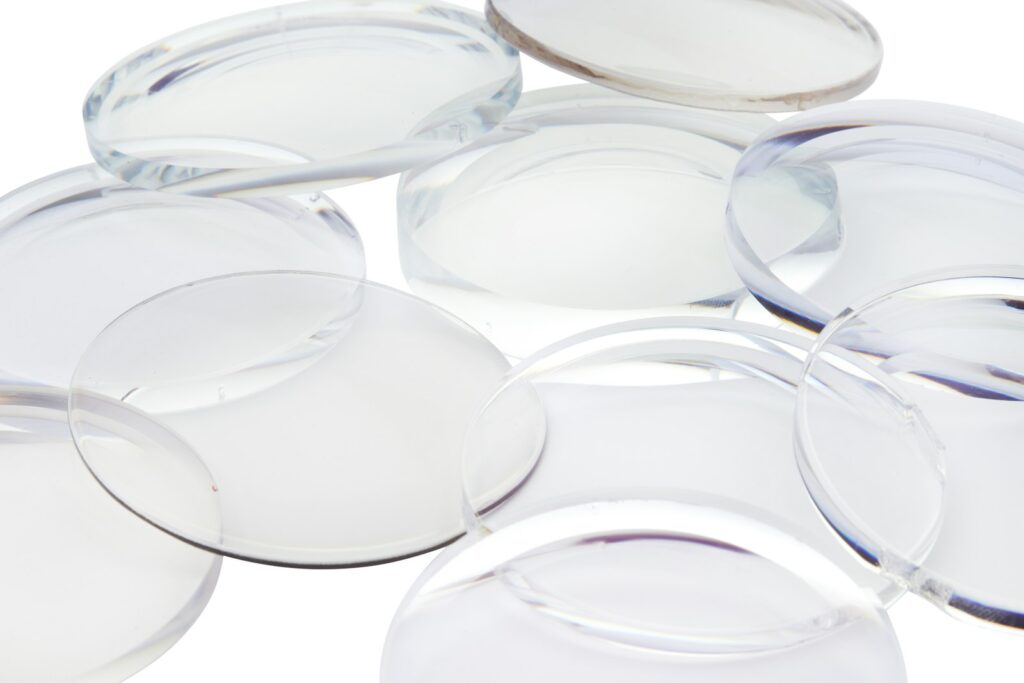
An implantable contact lens is a vision-correction procedure in which a thin, custom lens is placed permanently inside the eye to correct short-sightedness, and in many cases astigmatism as well. Despite the name, it is nothing like a soft contact lens worn on the surface of the eye. It sits within the eye, positioned in front of the eye’s own natural lens and behind the coloured iris, where it works together with the eye’s natural focusing structures to bring images into sharp focus on the retina.
The most important difference from laser surgery is what happens to the cornea. Laser vision correction reshapes the cornea by removing a small amount of tissue. An ICL instead adds a lens and reshapes nothing; no corneal tissue is removed. Because the natural lens is also left completely in place, the eye keeps its own ability to focus until age-related changes occur naturally later in life. This kind of lens is often described as a phakic intraocular lens, meaning an artificial lens fitted while the natural lens is still present. It is generally considered removable and, in principle, reversible: if circumstances change, an eye surgeon can reposition or take out the lens.
Who an ICL may suit
An ICL is usually considered by people who want to reduce their dependence on glasses or contact lenses but who are not ideal candidates for laser surgery. This commonly includes those with a high degree of myopia, those whose corneas are relatively thin, and those with persistent dry eyes for whom laser treatment may be less comfortable. A stable spectacle prescription and healthy eyes, free of significant disease of the cornea, retina or optic nerve, are important starting points. Suitability is always decided individually by an eye surgeon after a detailed assessment, rather than by prescription alone.
How it compares with laser vision correction
Neither an ICL nor laser vision correction is universally better; they suit different eyes. Laser correction reshapes the cornea and is a well-established choice for many people within a suitable range of prescription and adequate corneal thickness. An ICL becomes attractive when the cornea is too thin, the prescription is very high, or dry eye is a concern, because it removes no corneal tissue and can be removed later. On the other hand, an ICL is intraocular surgery, meaning work is carried out inside the eye, which carries its own particular considerations. A refractive surgeon will weigh your prescription, corneal measurements, eye health and lifestyle before recommending one approach over the other, and will explain why a particular option fits your eyes.
How the procedure is done
Everything begins with a thorough eye assessment. The surgeon and their team measure the shape and internal dimensions of the eye, check the health of the cornea, retina and optic nerve, confirm that the prescription is stable, and ensure there is adequate space inside the eye to hold the lens comfortably. These measurements are used to select a lens of the correct power and size for each eye.
The surgery itself is typically a day procedure carried out under local anaesthetic, so you stay awake but the eye is numbed and you should not feel pain. The surgeon makes a small opening at the edge of the cornea, gently inserts the folded lens, and positions it in front of the natural lens where it settles into place. The opening is small and usually needs no stitches. Depending on your surgeon’s advice and your circumstances, both eyes may be treated on the same day or on separate days.
Preparing for the procedure
Preparation is guided by your eye-care team. You will usually be asked to stop wearing soft contact lenses for a period before your measurements, because lenses can temporarily change the shape of the cornea and affect the readings. Follow any instructions about eye drops or medicines, and arrange for someone to accompany you home, since your vision will be blurry and the eye sensitive immediately afterwards. It is helpful to raise any questions about the procedure, recovery and follow-up at your assessment so that you feel prepared and know what to expect.
Recovery after ICL
Most people are able to go home shortly after the procedure. Vision often begins to improve quickly, sometimes within the first day, although the eye still needs time to settle and vision may fluctuate a little at first. Your surgeon will prescribe eye drops to support healing and reduce the risk of infection and inflammation; use them exactly as directed. During the early healing period it is important to avoid rubbing the eye and to keep water, soap and shampoo out of it, and to follow advice about resuming swimming, strenuous exercise and eye make-up. Follow-up checks are an essential part of recovery: they allow the team to confirm that the lens is well positioned, that the eye is healing, and that the pressure inside the eye is normal.
Risks and complications
As with any eye surgery, an ICL carries risks, which your surgeon will discuss with you before you decide. These can include infection, inflammation, and a rise in the pressure inside the eye. Over time some people may develop a cataract, a clouding of the natural lens, which can be treated separately if it affects vision. Some people notice glare, haloes or starbursts around lights at night, which may settle but can persist. Occasionally the lens may need to be repositioned or exchanged, or removed altogether, and in rare cases further surgery is required. Knowing these possibilities helps you make an informed choice and recognise when to seek help afterwards.
Long-term care
An ICL does not stop the eye from ageing. The natural lens remains in place, so age-related changes still happen in the usual way: short-sightedness correction from the lens does not prevent presbyopia, the gradual loss of near focus that comes with age, nor does it prevent cataract from forming later in life. Should a cataract develop, the natural lens can be treated in the usual way, and the ICL can be removed as part of that surgery if needed. Regular eye checks remain important throughout life, both to monitor the lens and eye pressure and to keep watch for the ordinary age-related and general eye conditions that everyone should have reviewed.
Who should not have an ICL
An ICL is not suitable for everyone. It is generally avoided when the prescription is still changing, when there is not enough space inside the eye to hold the lens safely, or when there is significant existing eye disease such as glaucoma, certain retinal conditions or ongoing inflammation inside the eye. Pregnancy can temporarily alter vision, so assessment may be deferred. The final decision always rests on an individual examination by an eye specialist, who will tell you honestly if your eyes are not suited to this procedure and discuss the alternatives.
When to seek help after surgery
Some mild grittiness, watering and light sensitivity are normal in the first days after ICL surgery. However, certain symptoms need prompt attention. Seek urgent eye care if you develop increasing pain, worsening or sudden loss of vision, marked redness or discharge from the eye, or if you begin to see many new floaters or flashes of light. These can be signs of infection, raised pressure or a problem at the back of the eye, and early treatment matters. In Singapore you can contact your eye surgeon or refractive centre, seek care through a hospital eye service such as the Singapore National Eye Centre, or attend an emergency department if you cannot reach your eye team. For general reading on eye health, HealthHub offers reliable Singapore-based information.
When to see a doctor
If you are interested in ICL, an eye specialist can assess whether your eyes are suitable and compare it with laser options for your prescription and lifestyle.
Common questions
Is an ICL visible or felt in the eye?
No. The lens sits inside the eye and is neither visible to others nor felt by the wearer.
Is ICL reversible?
Yes. Unlike laser surgery, the lens can be removed or exchanged if necessary.
ICL or LASIK — which is better?
Neither is universally better; the right choice depends on your prescription, corneal thickness and eye health, which an assessment will determine.
Related conditions & guides
- LASIK & laser vision correction
- Myopia (short-sightedness)
- Astigmatism
- Best eye specialists in Singapore
Sources
- Singapore National Eye Centre — refractive surgery options.
- American Academy of Ophthalmology — phakic intraocular lenses.
- Health Sciences Authority Singapore — medical devices.
This article is for general information only and does not replace a consultation with a qualified eye-care professional. Please seek personalised advice for your own eyes.