
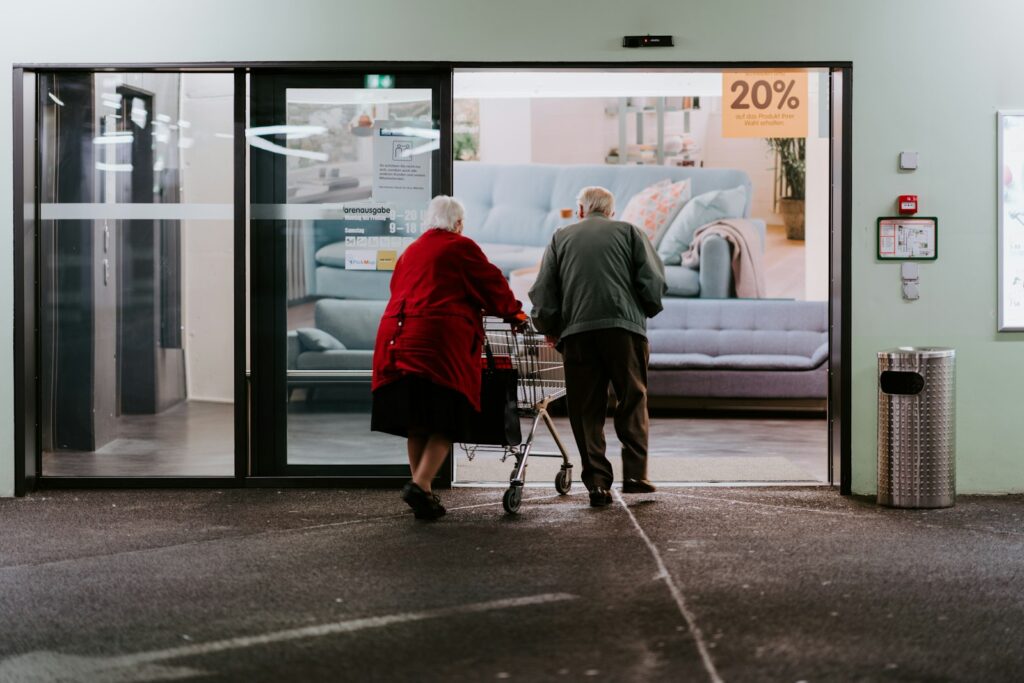
Quick answer. Frailty is a health state in which the body’s reserves become so reduced that even a minor stress – a urine infection, a new medicine, a small fall – can trigger a disproportionate decline such as sudden confusion, immobility, or a hospital admission. Importantly, frailty is not the same as simply being old, and it can often be slowed, stabilised, or even partly reversed through strength exercise, good nutrition, and reviewing unnecessary medicines.
Caring for an older loved one, or planning ahead for their health?
Message our care team on WhatsApp. Tell us what’s going on and we’ll help you find the right geriatrician — free, with no obligation.
Chat with our care team on WhatsAppNot sure who to see? Find the right specialist →
In a medical emergency, or for severe or sudden symptoms such as breathing difficulty, chest pain, fainting or stroke signs, call 995 immediately.
The empowering idea: it’s rarely “too late.” Muscle and strength respond to training and protein even in later life, so building reserve remains worthwhile at any age.
What frailty is (and isn’t)
Think of the body as having a “reserve tank” that lets you bounce back from illness or stress. In frailty, multiple body systems have gradually lost their reserves, so there’s less to draw on. A minor infection, a new medication or dehydration can then tip a frail person into a fall, delirium, being unable to get out of bed, or a hospital stay – a response far bigger than the trigger. Frailty is not the same as being old, and it’s not the same as disability. It sits on a spectrum from mild to severe.
How frailty is recognised
Doctors describe frailty two ways. The phenotype looks for five markers: (1) unintentional weight loss, (2) weakness / reduced grip strength, (3) slow walking speed, (4) exhaustion or low energy, and (5) low physical activity – three or more point to frailty. The accumulated-deficits view counts up a person’s health problems and impairments into a “frailty index.” Everyday warning signs families notice are: slowing down, tiring easily, losing weight or muscle, needing to hold furniture, and taking longer to recover from minor illnesses.
Why frailty matters
Frailty changes how a person experiences illness and treatment. Frail older adults are more prone to falls, delirium, disability, longer hospital stays and loss of independence, and can react unpredictably to routine treatments. Recognising frailty helps doctors and families make more careful, proportionate decisions.
It can be identified – simple checks
Frailty can be picked up with quick, low-tech assessments: walking (gait) speed, grip strength, the timed up-and-go (stand from a chair, walk a few metres, turn, sit), and short questionnaires. In Singapore, frailty screening is being built into community services, so older adults can be flagged early – before a crisis.
What helps – building reserve
- Resistance / strength exercise and physical activity – the strongest evidence; muscle-strengthening done regularly, with balance and walking, can prevent or partly reverse frailty;
- Good nutrition with enough protein – older adults generally need more protein than younger adults (see below);
- Review and reduce unnecessary medicines (polypharmacy);
- Manage chronic conditions and treat reversible contributors – vitamin deficiencies (including vitamin D), thyroid problems, depression, and correctable hearing and vision loss;
- Stay socially engaged and mentally active;
- Comprehensive Geriatric Assessment (CGA) – a holistic review by a geriatric team of medical, functional, psychological and social needs.
The Singapore context
Singapore treats frailty as a national priority: MOH published a National Frailty Strategy in 2023, and Geriatric Services Hubs deliver frailty screening and geriatric assessment for community-dwelling seniors, working with Active Ageing Centres, home-care and day-care programmes. On nutrition, HealthHub advises older adults to aim for more protein than younger adults – around 1.0–1.2 g per kg of body weight per day – and notes that many older adults in Singapore don’t meet their protein needs, with protein best spread across meals and paired with strength exercise.
Frailty during illness and hospital stays
Frailty matters most at moments of stress – an infection, a fall, or a hospital admission – when a frail person can decline quickly. During any illness, small things protect reserve: keeping up fluids and food, staying as active and upright as safely possible rather than taking to bed, ensuring glasses and hearing aids are worn, and watching for sudden confusion (delirium), which is common in frail people who become unwell. In hospital, prolonged bed rest causes rapid loss of muscle and fitness (“deconditioning”), so getting dressed, sitting out of bed and walking each day – where the team agrees it’s safe – genuinely helps. Because frail people respond differently to treatment, doctors often take a more cautious, individualised approach: being careful with new sedating medicines, reviewing the whole medicine list, and weighing the benefits and burdens of investigations and treatments against the person’s goals and quality of life. Families can help by sharing what “normal” looks like for their relative, bringing familiar items, and supporting eating, drinking and gentle movement. The aim throughout is to get the person home and back to their usual self as quickly and safely as possible.
When to see a doctor
See a doctor if you or a family member notice unintentional weight loss, increasing weakness or muscle loss, noticeably slowing down, repeated falls, or frequent infections – especially if recovery from minor illnesses is getting slower. New confusion during an illness needs prompt assessment. A geriatrician can assess and advise.
Related healthy-ageing topics
- Geriatric syndromes
- Falls in older adults
- Hip fracture
- Delirium (sudden confusion)
- Pressure injuries (bedsores)
- Polypharmacy (many medicines)
- Malnutrition in older adults
- Dizziness & balance
- Caregiver burnout
- Sarcopenia (muscle loss)
- Dementia & memory loss
- Geriatricians in Singapore
Sources
- British Geriatrics Society — Introduction to Frailty / Key Messages: definition, phenotype vs deficit models, spectrum, modifiability (exercise + nutrition), CGA.
- HealthHub Singapore — older adults need more protein (~1.0–1.2 g/kg), protein + resistance exercise.
- Integrated Geriatric Services Hub, Singapore (peer-reviewed) — SG community frailty screening/CGA and MOH 2023 National Frailty Strategy.
- Prevalence figures are international BGS estimates (attributed).