
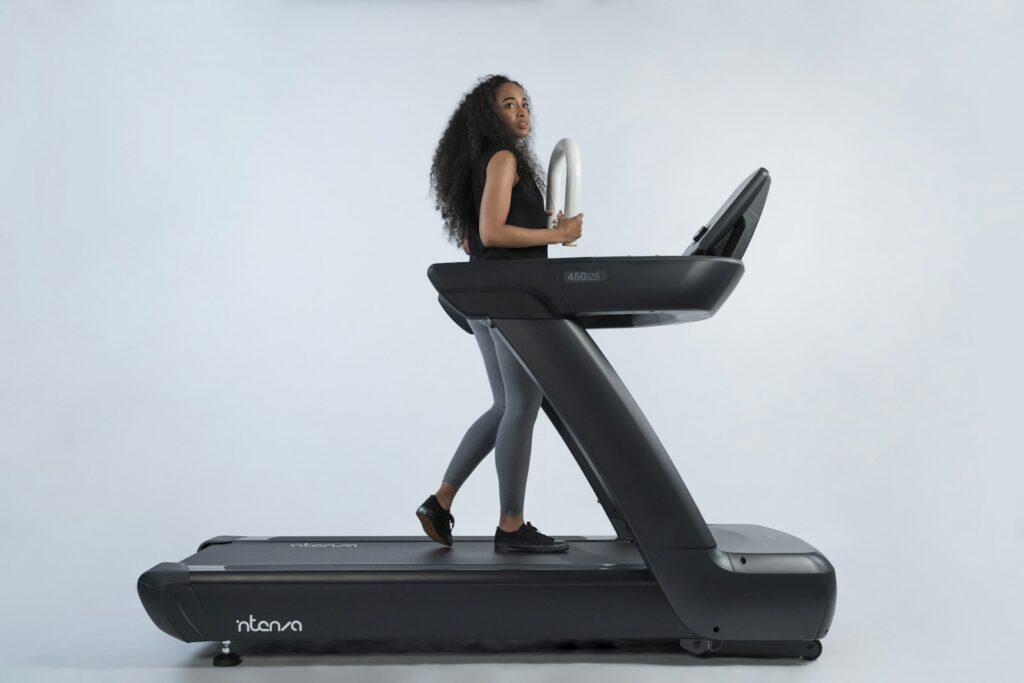
Quick answer. An exercise stress test (also called a treadmill ECG or exercise ECG) records your heart’s electrical activity, blood pressure and symptoms while you walk on a treadmill or pedal a bike. It shows how your heart copes when it has to work harder, and it helps a doctor look for problems such as reduced blood supply to the heart muscle. In Singapore it is usually arranged by a cardiologist and carried out by trained staff who watch you closely throughout.
Not sure which specialist you need?
Message our care team on WhatsApp. Tell us what’s going on and we’ll help you find the right specialist — free, with no obligation.
Chat with our care team on WhatsAppNot sure who to see? Find the right specialist →
In a medical emergency, or for severe or sudden symptoms such as breathing difficulty, chest pain, fainting or stroke signs, call 995 immediately.
If you have had chest tightness on exertion, unexplained breathlessness, or you simply want to understand how your heart performs under strain, your doctor may suggest an exercise stress test. It is a common, well-established investigation that adds useful information to a resting ECG and a clinical examination. This guide explains what the test involves, how to prepare, what the results might mean, and when you should seek help.
What it is
An exercise stress test is a way of watching the heart while it is under load. At rest, many heart problems stay hidden because the heart is not being asked to do much. During exercise, the heart beats faster and needs more oxygen-rich blood, so a narrowing in the arteries that supply the heart muscle may start to show up. The test records the heart’s electrical activity through an ECG, measures your blood pressure, and notes any symptoms you feel, all while you exercise on a treadmill or a stationary bicycle. Together these give the doctor a picture of how well your heart, blood vessels and general fitness respond to increasing demand.
Why it is done
There are several reasons a cardiologist may recommend this test. Common ones include investigating chest pain, tightness or breathlessness that comes on with activity; assessing whether you may have coronary artery disease, in which the arteries feeding the heart become narrowed; and checking your exercise capacity, which is a broad measure of heart and lung fitness. It can also help evaluate certain heart rhythm problems that appear during exertion. Sometimes it is used before someone begins a vigorous exercise programme, or to check progress after a heart procedure. Your doctor will explain which of these applies to you.
How to prepare
Preparation is straightforward but worth doing well. Wear comfortable, loose clothing and supportive shoes suitable for walking, as you will be moving on a treadmill. Ask your doctor beforehand about food and drink, including whether to avoid caffeine, and about which of your regular medicines to pause and which to keep taking, as some can affect the result. Bring a list of your medications. Tell the staff about any symptoms you have been having and about your medical conditions, including previous heart problems, joint or mobility issues, breathing conditions, or anything that might limit how far you can walk. If you feel unwell on the day, let the clinic know.
What happens during the test
When you arrive, a member of staff will attach several small sticky electrodes to your chest; these connect to the ECG machine that records your heart’s electrical signals. A blood-pressure cuff is placed on your arm so your pressure can be checked as you go. You then begin exercising, usually by walking on a treadmill that gradually becomes faster and more steeply inclined, or by pedalling a bike that becomes harder to turn. Throughout, staff watch your ECG, blood pressure and how you look and feel. You should tell them straight away about any chest discomfort, breathlessness, dizziness, leg pain or tiredness. The test continues until you reach a planned target, become too tired to carry on, or develop symptoms or changes that mean it is sensible to stop. Afterwards you rest and are monitored for a short while as your heart settles.
What it can show / results
A normal result, where your ECG, blood pressure and symptoms all respond as expected and you exercise comfortably, is reassuring and makes a significant problem with the heart’s blood supply less likely. If the ECG changes in certain ways, if you develop symptoms such as chest tightness, or if your blood pressure responds abnormally, the doctor may recommend further tests. These might include an imaging stress test, such as a stress echocardiogram or a nuclear stress scan, or a coronary angiogram to look directly at the heart arteries. Your cardiologist will interpret the whole picture rather than any single finding, and will discuss what the next step, if any, should be.
Limitations
The exercise stress test is useful but not perfect. It can occasionally suggest a problem when the heart is in fact healthy, or appear reassuring when a narrowing is present, which is why results are always considered alongside your symptoms, examination and other investigations. It also relies on your being able to exercise hard enough to stress the heart. If joint pain, breathing problems, general frailty or another condition means you cannot walk or cycle sufficiently, the test may not be conclusive. In that situation the doctor may arrange an alternative, such as a pharmacological stress test, where medication is used to make the heart work harder, or an imaging test that does not depend on exercise.
Is it safe?
For most people an exercise stress test is very safe, especially because it is carried out under supervision by staff trained to watch for problems and to respond if they arise. The test deliberately pushes the heart, so there is a small chance of symptoms such as chest discomfort, an abnormal heart rhythm or a drop in blood pressure during exercise. Serious complications are uncommon. Emergency equipment and trained personnel are on hand, and the test is stopped promptly if anything concerning develops. Your doctor will weigh the benefits against any risks for your particular situation before recommending it.
When to see a doctor
See a doctor if you notice chest pain, tightness or pressure, breathlessness, unusual fatigue, palpitations or dizziness, particularly when these come on with exertion, as these may point to a heart problem worth investigating. If you have already had an exercise stress test and are unsure what the result means for you, ask your cardiologist to explain it. Do not ignore new or worsening symptoms while waiting for an appointment. Seek urgent care if symptoms are severe, come on at rest, or do not settle.
Common questions
Will the test hurt?
The test itself is not painful. You may feel tired, warm or short of breath as the effort increases, much as you would during brisk exercise. Removing the sticky electrodes afterwards can feel a little uncomfortable, but that is all.
How is this different from a resting ECG?
A resting ECG records your heart while you lie still, which can miss problems that only appear under strain. An exercise stress test records the heart while it is working hard, so it can reveal changes that a resting ECG alone would not pick up.
What if I cannot walk on a treadmill?
If walking or cycling is difficult because of joint, mobility or breathing problems, tell your doctor. An alternative such as a pharmacological or imaging stress test can often be arranged, giving useful information without needing you to exercise.
Do I need someone to accompany me?
Many people attend on their own, but it can be reassuring to bring a family member or friend, especially if you feel anxious or expect to be tired afterwards. Ask the clinic whether they have any specific advice for your appointment.
What happens after the test?
You rest and are monitored briefly while your heart rate and blood pressure return to normal, then you can usually go home and resume your day. Your cardiologist will review the findings and discuss the results and any next steps with you.
Related guides
Sources
- National Heart Centre Singapore
- Singapore Heart Foundation
- HealthHub
- NHS