
Quick answer. Dementia is not a normal part of ageing. It is a syndrome of progressive decline in memory and thinking that interferes with everyday life, with Alzheimer’s disease the most common cause (followed by vascular dementia and others). Its warning signs differ from ordinary age-related forgetfulness, and some causes of memory problems are treatable or reversible (such as thyroid problems, vitamin B12 deficiency, depression or medication side effects), so a proper assessment matters. Diagnosis usually starts with a GP or polyclinic doctor, who may arrange cognitive tests and refer you to a memory clinic or specialist (neurologist or geriatrician). Early diagnosis helps with planning, treatment and support, and Singapore resources such as the Agency for Integrated Care (1800 650 6060) and the Dementia Singapore helpline (6377 0700) can help both patients and caregivers.
Troubled by headaches, dizziness, numbness or memory changes?
Message our care team on WhatsApp. Tell us what’s going on and we’ll help you find the right best neurology clinic — free, with no obligation.
Chat with our care team on WhatsAppNot sure who to see? Find the right specialist →
In a medical emergency, or for severe or sudden symptoms such as breathing difficulty, chest pain, fainting or stroke signs, call 995 immediately.
Noticing that you or someone you love is becoming more forgetful can be worrying. Some forgetfulness is a normal part of getting older, but dementia is different: it is a progressive condition that gradually affects memory, thinking and the ability to manage daily life. The good news is that not every memory problem means dementia, and some causes are even reversible. This guide explains the early warning signs, how dementia is diagnosed in Singapore, why getting checked early matters, and where you and your family can find support.
At a glance
| Normal ageing | Possible warning sign of dementia |
|---|---|
| Occasionally forgetting names or appointments but remembering them later | Forgetting recently learned information or important dates and asking the same questions repeatedly |
| Sometimes needing help with a new device or unfamiliar setting | Struggling to complete familiar daily tasks such as cooking a usual meal or handling money |
| Briefly forgetting which day it is and recalling it shortly after | Becoming confused about time or place, or getting lost in familiar neighbourhoods |
| Occasionally searching for the right word | Frequent trouble following conversations or finding everyday words |
| Misplacing items now and then but being able to retrace steps | Putting things in unusual places, being unable to retrace steps, and suspecting others of stealing |
| Making an occasional poor decision | Increasingly poor judgement about money or safety, and withdrawal from work or social life |
What dementia is (and what it is not)
Dementia is not a single disease but a syndrome – a group of symptoms caused by changes in the brain. It involves a progressive decline in memory, thinking, language, judgement and behaviour that is serious enough to interfere with everyday life and independence. Crucially, dementia is not a normal part of ageing. While occasional forgetfulness is common as we get older, dementia gets worse over time and increasingly affects a person’s ability to live and function safely on their own.
Alzheimer’s disease is the most common cause of dementia. Other causes include vascular dementia (linked to strokes and problems with blood supply to the brain), dementia with Lewy bodies, frontotemporal dementia, and mixed types. At present there is no cure for Alzheimer’s disease or vascular dementia, but treatment, support and lifestyle changes can help manage symptoms and maintain quality of life – which is one reason getting assessed early is so valuable.
Normal forgetfulness versus the warning signs of dementia
Everyone forgets a name or misplaces their keys from time to time. The difference with dementia is that the changes are persistent, get worse over time, and disrupt daily life. HealthHub Singapore highlights a set of warning signs to watch for:
- Memory loss that disrupts daily life – forgetting recently learned information, important dates or events, or asking the same questions repeatedly.
- Difficulty with familiar tasks – struggling to do routine things such as preparing a meal, handling money or following a familiar recipe.
- Confusion with time or place – losing track of dates, or becoming lost and confused in familiar neighbourhoods.
- Problems with words and communication – difficulty following or joining a conversation, or finding the right everyday word.
- Misplacing things and being unable to retrace steps – putting items in unusual places (keys in the fridge) and sometimes accusing others of stealing.
- Poor judgement – making questionable decisions about money or safety, such as giving large sums to strangers.
- Withdrawal from work or social activities – losing interest in hobbies, friends or family gatherings.
- Changes in mood or personality – becoming confused, suspicious, fearful, anxious or unusually withdrawn.
If several of these are happening regularly and getting worse, it is worth seeing a doctor for an assessment.
Some memory problems are treatable or reversible
An important reason to get memory problems checked is that they are not always caused by dementia. A number of conditions can produce dementia-like symptoms but improve once they are treated. These include:
- Thyroid problems (such as an underactive thyroid / hypothyroidism)
- Vitamin B12 deficiency, which is common in older adults and detectable with a simple blood test
- Depression, which can mimic dementia by affecting concentration, motivation and memory
- Side effects of certain medications
- Infections, dehydration and other medical conditions
Because these causes can be treated – sometimes resolving the symptoms entirely – a proper medical evaluation matters. Never assume that memory changes are “just dementia” or “just old age” before a doctor has had the chance to look into them.
How dementia is diagnosed in Singapore
Diagnosis usually follows a clear pathway:
- Start with your family doctor (GP) or polyclinic. This is the first person to see. The doctor will ask about symptoms and their history, review medications, and examine you.
- Cognitive tests and blood tests. Short memory and thinking tests help assess cognition, while blood tests check for reversible causes such as B12 deficiency or thyroid problems.
- Referral to a specialist or memory clinic. If needed, you may be referred to a neurologist, geriatrician or geriatric psychiatrist, or to a hospital memory clinic such as those at the National Neuroscience Institute (NNI) and other public hospitals.
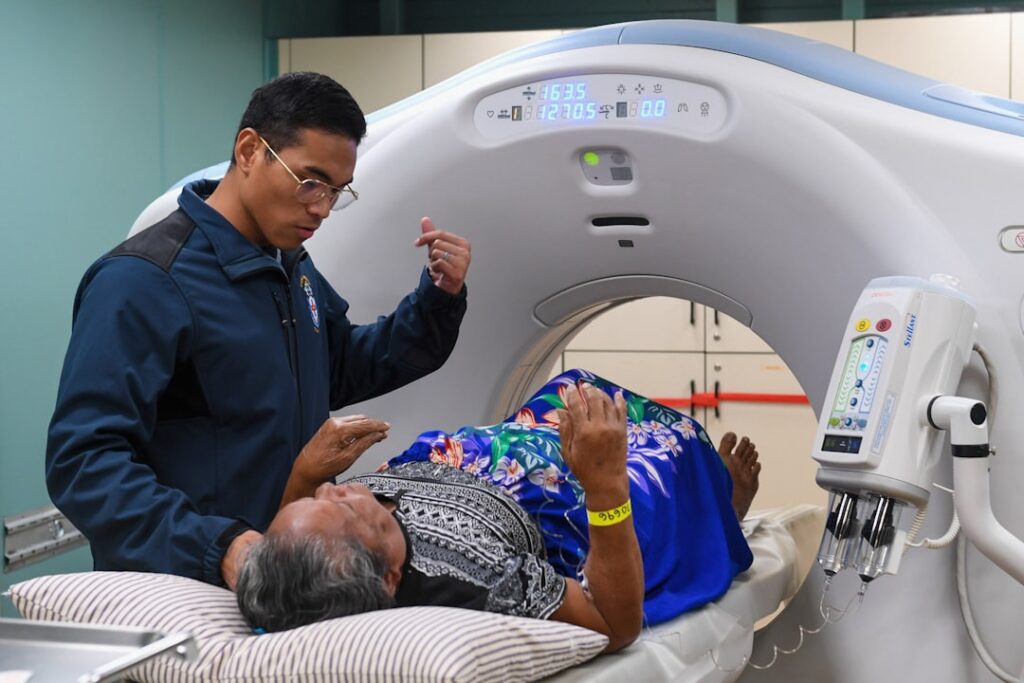
- Brain scans. A CT or MRI scan may be done to look at the structure of the brain and help identify the type and cause of dementia.
This step-by-step process helps confirm whether dementia is present, rule out treatable causes, and guide a personalised care plan.
Why early diagnosis matters
Spotting the warning signs and getting help early can make a real difference for both the person affected and their family. Early diagnosis allows time to:
- Identify and treat any reversible causes of memory loss
- Start appropriate treatment and lifestyle changes that may help slow progression and manage symptoms
- Plan ahead for finances, legal matters and future care while the person can still take part in decisions
- Connect early with support services and caregiver resources
- Help the family understand the condition and prepare for what lies ahead
An early, accurate diagnosis is not about labelling – it is about opening the door to support, care and better quality of life.
Support for patients and caregivers in Singapore
You do not have to navigate dementia alone. Singapore has a strong network of support for both patients and caregivers:
- Agency for Integrated Care (AIC) – call the hotline on 1800 650 6060 to find community care services and caregiver support.
- Dementia Singapore Helpline – 6377 0700, for information, advice and emotional support.
- CREST community teams (Community Resource, Engagement and Support Teams) – provide outreach, screening and emotional support in the community, including teams focused on caregivers and post-diagnostic support.
- DementiaHub.SG – a one-stop national portal with resources, services and practical guides for living with dementia.
Caregivers can experience stress, anxiety and burnout, and these services are there to support carers as well as patients. Reaching out for help is a sign of strength, not weakness.
When to see a doctor
See a GP, polyclinic doctor or memory clinic if you or a loved one is experiencing memory or thinking changes that:
- Are getting worse over time
- Are interfering with daily life, work, finances or relationships
- Include confusion about time or place, getting lost, or noticeable changes in mood, personality or judgement
Even if you are unsure, it is better to get checked early. A doctor can identify treatable causes, provide an accurate assessment, and connect you with the right care and support. Asking for an assessment is always reasonable – trust your instincts if something does not feel right.
Related guides
- Best Neurology Clinics in Singapore — our editorial shortlist
- neurology clinics directory
- Migraine treatment & relief
- Stroke warning signs (FAST)
- Vertigo & dizziness
Sources
- HealthHub (MOH) – Warning Signs of Dementia
- Agency for Integrated Care (AIC) – Dementia Symptoms, Support & Resources
- Dementia Singapore – Available Assistance & Helpline
- DementiaHub.SG – Programmes and Services
- SingHealth – Dementia: Conditions & Treatments
- Ministry of Health – Community Care Support for Dementia Patients and Caregivers
Related conditions & guides
Related conditions and guides you may find useful:
- Bell’s Palsy in Singapore
- Caring for Elderly Parents in Singapore
- Comprehensive Geriatric Assessment in Singapore
- Delirium (Sudden Confusion) in the Elderly in Singapore
- Epilepsy & Seizures in Singapore
- Falls Prevention for the Elderly in Singapore
Find a specialist
Prefer a named doctor? See our independent, sub-specialty-grouped directory of geriatricians in Singapore.
Part of our Brain & nerves guides · Browse all health topics