
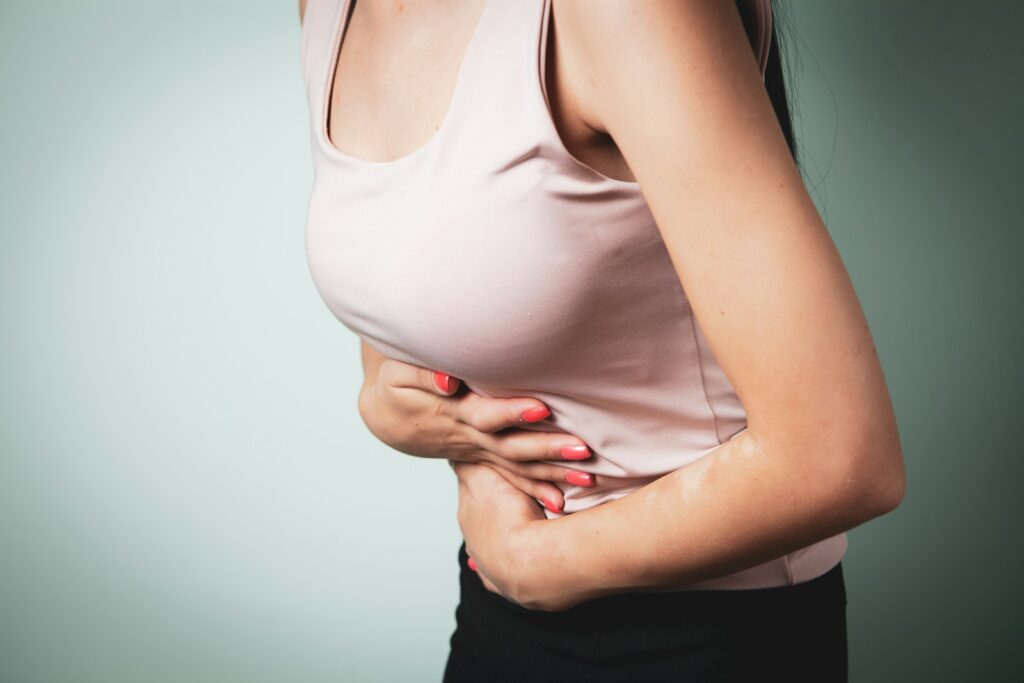
Quick answer. Endometriosis is a chronic condition in which tissue similar to the lining of the womb grows outside the uterus – commonly on the ovaries, fallopian tubes, pelvic lining and bowel. Because this tissue still responds to menstrual hormones, it bleeds each cycle, causing inflammation, scarring and adhesions that lead to pain and can affect fertility. It is common – affecting many women of reproductive age – yet is frequently diagnosed years late, partly because debilitating pain is wrongly normalised as “just bad period pain.” There is no cure, but it is very treatable. If period pain disrupts your life, or you have pain during sex, pain opening your bowels, or difficulty conceiving, that is a reason to see a doctor – not something to endure.
Have a women’s-health or menstrual concern to talk through?
Message our care team on WhatsApp. Tell us what’s going on and we’ll help you find the right gynaecologist — free, with no obligation.
Chat with our care team on WhatsAppNot sure who to see? Find the right specialist →
In a medical emergency, or for severe or sudden symptoms such as breathing difficulty, chest pain, fainting or stroke signs, call 995 immediately.
The single most important message about endometriosis is this: debilitating period pain is not normal, and you don’t have to accept it. If your pain is severe enough to keep you home from work or school, to have you curled up in bed, or to leave you dreading your next period, that is a signal worth acting on. Getting it taken seriously is the first step – and your experience of the pain is real, whatever any scan does or doesn’t show.
What it is
Endometriosis happens when tissue similar to the endometrium – the lining that normally builds up inside the womb and sheds as a period – grows in places it shouldn’t. It is most often found on the ovaries (where it can form fluid-filled “chocolate cysts,” also called endometriomas), on the pelvic lining, and on or around the bowel, bladder and the ligaments that support the uterus. In deeper forms it can burrow into these structures.
Because this tissue still responds to the hormones of the menstrual cycle, it thickens and bleeds each month – but the blood has no way to leave the body. This drives ongoing inflammation, which over time can lead to scarring and adhesions (bands of scar tissue that can stick organs together). Endometriosis is a whole-body inflammatory condition, not simply “bad periods,” and it is closely linked to adenomyosis, where similar tissue grows within the muscle wall of the womb itself.
Symptoms
Symptoms vary widely from person to person, and importantly the amount of pain does not reliably predict how much disease is present – someone with extensive endometriosis may have mild symptoms, while someone with limited disease may be in agony. Common features include:
- Severe period pain (dysmenorrhoea) that may worsen over the years and often doesn’t settle with over-the-counter painkillers.
- Chronic pelvic pain that can occur between periods, not just during them.
- Pain during or after sex, often felt deep inside rather than at the entrance.
- Pain when opening your bowels or passing urine, especially around the time of your period.
- Heavy or irregular bleeding, sometimes with clots or bleeding between periods.
- Bowel and bladder symptoms such as bloating, diarrhoea, constipation or nausea, which can be mistaken for irritable bowel syndrome.
- Persistent fatigue, which is genuine and often underestimated.
- Difficulty getting pregnant – sometimes the first sign that leads to diagnosis.
Living with unpredictable, poorly understood pain also takes a real toll on mood, relationships, study and work. That impact is a legitimate part of the condition, not a sign of “overreacting.”
Causes
The exact cause is not fully understood, and it is likely that several factors combine rather than a single one being to blame. Leading explanations include retrograde menstruation, where menstrual blood containing endometrial cells flows backwards along the fallopian tubes into the pelvis instead of leaving the body; cells outside the womb changing into endometrial-like tissue; and cells being carried to other sites through blood or lymph. Immune-system differences and hormones – particularly oestrogen, which fuels the tissue – also play a part. There is a genetic thread too, as the condition can run in families. Crucially, nothing you did caused your endometriosis; it is not the result of lifestyle, stress or anything you could have prevented.
Who is at risk
Endometriosis can affect anyone who has periods, from the teenage years through to menopause. Some factors are associated with a higher likelihood, including a mother or sister with the condition, starting periods at a young age, shorter menstrual cycles, heavier or longer periods, and not having been pregnant. Having these does not mean you will develop it, and not having them does not rule it out. Because symptoms often begin in the teens or twenties, young people with severe period pain deserve to be taken seriously rather than told to wait and see.
How it is diagnosed
Diagnosis starts with your story. A doctor or gynaecologist will ask in detail about your pain, your periods, pain with sex or bowels, and any trouble conceiving, and may perform a pelvic examination. Keeping a simple diary of your symptoms across a cycle can be genuinely helpful at this stage.
Ultrasound and MRI can pick up ovarian cysts and deeper disease, but a normal scan does not rule endometriosis out – much of the disease is too small or too flat to show on imaging. This is one reason diagnosis is so often delayed, and why a normal result should never be the end of the conversation if your symptoms continue.
Laparoscopy (keyhole surgery), in which a surgeon looks inside the pelvis through a small cut near the navel, remains the most definitive way to confirm the diagnosis, and deposits can often be treated during the same operation. However, modern guidelines increasingly support starting treatment based on symptoms and imaging – without waiting for surgery – so that care is not held up. In Singapore, assessment usually begins with a GP or polyclinic doctor, who can refer you to a gynaecologist, including specialist women’s services at hospitals such as KKH and NUH.
Complications
Left unaddressed, endometriosis can lead to problems beyond monthly pain. Adhesions and scarring may cause organs to stick together and can contribute to ongoing pelvic pain. Ovarian endometriomas (chocolate cysts) can form. The condition is a recognised cause of difficulty conceiving, though many people with endometriosis do go on to have children, with or without help. Chronic pain and fatigue can affect mental health, sleep and quality of life. Rarely, deep disease involving the bowel or bladder can cause more serious problems, which is part of why timely assessment matters.
Treatment
There is no cure, but endometriosis is very treatable, and the goal is to control pain, protect fertility where that matters to you, and improve daily life. Care is often stepwise and tailored to your symptoms, your age and whether you are hoping to conceive.
- Pain relief. Anti-inflammatory painkillers (NSAIDs) are commonly used, sometimes alongside other simple analgesics. A doctor can advise on what is suitable for you.
- Hormonal treatments. These aim to reduce or switch off the monthly cycle so the tissue is less active. Options include the combined hormonal contraceptive pill, progestogen-based treatments, the hormonal intrauterine device, and, for some, GnRH agonists. Different classes suit different people, and it can take some trial and adjustment to find the right fit.
- Surgery. Laparoscopic removal or destruction of endometriosis deposits, cysts and adhesions can ease pain and, in some cases, improve fertility. In severe, complex disease, more extensive surgery is occasionally considered.
- Fertility support. If you are having trouble conceiving, a specialist can discuss options; see fertility treatment for more.
Endometriosis can recur after treatment, so care is often about ongoing management rather than a one-off fix. A good plan is one you and your doctor build together, revisiting it as your symptoms and priorities change.
Living with it and self-care
Alongside medical treatment, some people find certain measures help them cope day to day, even though they are not a cure. Gentle regular activity, heat applied to the lower tummy, adequate rest and approaches that support sleep and stress can all take the edge off. A balanced diet and, where relevant, help with bowel symptoms may ease bloating and discomfort. Pelvic-floor physiotherapy and structured pain-management approaches can be valuable for persistent pain, and psychological support is a legitimate part of care, not a sign that the pain is “in your head.” Connecting with others who understand the condition can help you feel less alone. Be cautious of products or programmes promising to “cure” endometriosis; discuss anything you are considering with your doctor.
When to see a doctor
See a GP or gynaecologist if period pain regularly disrupts your daily life, if you have pain during sex, pain opening your bowels or passing urine, heavy or irregular bleeding, or difficulty getting pregnant. You do not need to “prove” your pain is bad enough – if it is affecting you, it is worth assessing. A doctor can examine you, arrange scans, and discuss treatment.
Seek urgent medical care – go to A&E or call 995 – if you have severe, sudden pelvic or tummy pain, very heavy bleeding with feeling faint, dizzy or breathless, fainting, fever with severe pelvic pain, or pain with vomiting that you cannot control. Sudden severe pain can occasionally signal a problem such as a cyst that has twisted or burst, which needs prompt assessment. Any bleeding after menopause should always be checked.
Common questions
Does endometriosis always cause infertility?
No. Endometriosis is a recognised cause of difficulty conceiving, but many people with the condition become pregnant, with or without treatment. If you are trying and struggling, a gynaecologist or fertility specialist can advise on your options.
If my scan is normal, does that mean I don’t have endometriosis?
Not necessarily. A normal ultrasound or MRI does not rule endometriosis out, because much of the disease is too small or flat to show on imaging. If your symptoms continue, that warrants further discussion rather than reassurance alone.
Is severe period pain just something I have to live with?
No. Pain that disrupts your life is not something you simply have to endure. It deserves assessment, and there are effective treatments. Being believed and taken seriously is part of good care.
Will a hysterectomy cure it?
Not always. Removing the womb may help some people, particularly where adenomyosis coexists, but endometriosis outside the womb can persist. A gynaecologist can explain whether surgery, and which type, makes sense for your situation. See hysterectomy for more.
Related women’s health topics
- Hysterectomy
- Pelvic organ prolapse
- Endometrial polyps
- Uterine (endometrial) cancer
- HPV vaccine
- Pre-eclampsia
- Breastfeeding problems
- Vulvodynia (vulval pain)
- Ovulation & fertility tracking
- Pap smear & cervical screening
- Menopause
- Gynaecologists in Singapore
Sources
- SingHealth (SGH) and NUHS — endometriosis: symptoms, causes and diagnosis, including laparoscopy.
- NICE and ESHRE — guidance on hormonal treatment options and the evolving role of laparoscopy.
- HealthHub Singapore — women’s health and endometriosis information.
- Cleveland Clinic and Mayo Clinic — symptoms, theories of cause and treatment (corroboration).