
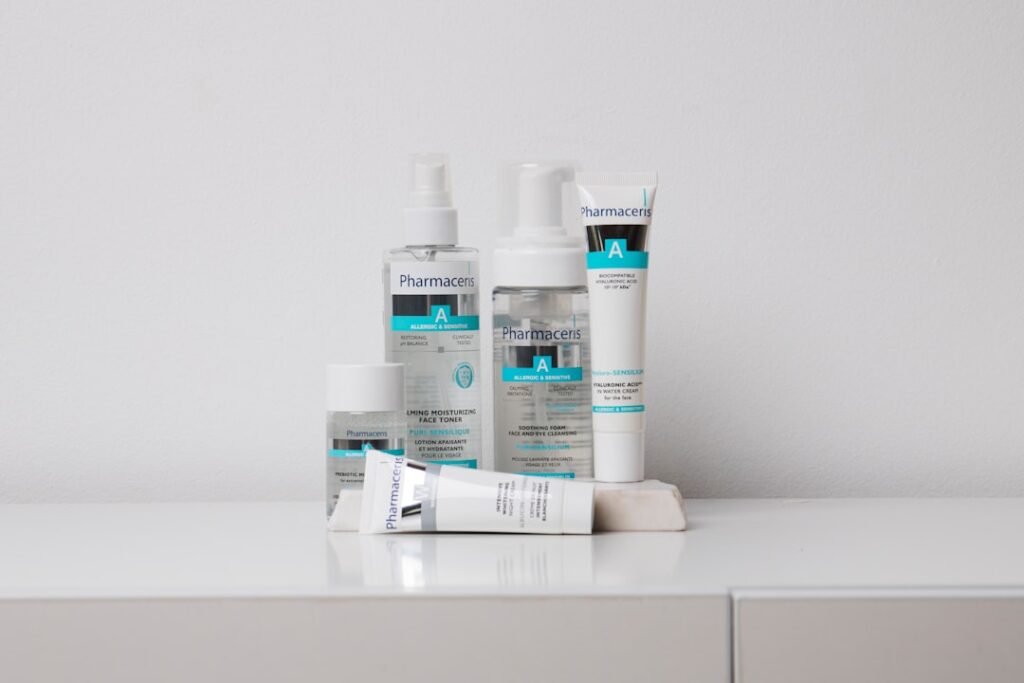
Quick answer. Eczema (atopic dermatitis) is a chronic, relapsing skin condition that can be controlled but not permanently cured. First-line care for most people is daily moisturisers (emollients) plus topical corticosteroids during flares, stepping up to topical calcineurin inhibitors, phototherapy and – for moderate-to-severe disease – systemic medicines or newer biologics and oral JAK inhibitors prescribed by a specialist. In Singapore you can access care through polyclinics and GPs, the subsidised National Skin Centre, or private dermatologists; basic creams may cost tens of dollars, while private dermatologist consultations typically run about S$120-S$250 and advanced biologics such as dupilumab can cost on the order of S$1,000 per injection (prices vary and are not currently subsidised).
Dealing with a stubborn rash, acne or a changing mole?
Message our care team on WhatsApp. Tell us what’s going on and we’ll help you find the right best dermatology clinic — free, with no obligation.
Chat with our care team on WhatsAppNot sure who to see? Find the right specialist →
In a medical emergency, or for severe or sudden symptoms such as breathing difficulty, chest pain, fainting or stroke signs, call 995 immediately.
Eczema, also called atopic dermatitis, is one of the most common chronic skin conditions in Singapore, and the country’s hot, humid climate can make flares harder to manage. The good news is that most cases can be brought under good control with the right skincare and a stepwise treatment plan. This guide explains what eczema is, what triggers it, the full treatment ladder from moisturisers to biologics, where to get care, and typical cost ranges in Singapore. It is general information, not medical advice – see a doctor for diagnosis and a personalised plan.
At a glance
| Treatment | Typical use / severity | Indicative cost (SGD) |
|---|---|---|
| Moisturisers / emollients | Foundation for all severities; daily | ~S$20-S$60 per product |
| Topical corticosteroids | First-line for flares | ~S$30-S$120 per tube |
| Topical calcineurin inhibitors | Face/folds, steroid-sparing | ~S$30-S$120 per tube |
| Private dermatologist consultation | Diagnosis & specialist management | ~S$120-S$250 (subsidised at polyclinic/NSC) |
| Phototherapy (narrowband UVB) | Moderate-to-severe; per-session course | Varies; subsidised at NSC for eligible patients |
| Biologic (dupilumab) | Moderate-to-severe; injection | ~S$1,000 per injection (not subsidised) |
| Oral JAK inhibitors | Moderate-to-severe; daily tablet | ~S$400-S$1,200 per month (not subsidised) |
What is eczema (atopic dermatitis) and what triggers it?
Atopic dermatitis is a chronic inflammatory skin condition in which the skin barrier is impaired, leading to dryness, redness, intense itch and recurring flares. It often runs in families alongside asthma and allergic rhinitis (the “atopic” tendency), and while it commonly starts in childhood it can affect adults too. It is a relapsing-remitting condition: it can be well controlled, but there is no permanent cure, so the goal of treatment is to reduce flares, calm the itch and protect the skin barrier.
Common triggers in Singapore include:
- Heat, sweat and humidity – the local tropical climate means sweating can irritate inflamed skin.
- Dust mites and other environmental allergens – common in humid homes.
- Irritants – soaps, detergents, shampoos, fragrances and harsh cleansers.
- Dry skin – including over-air-conditioned environments.
- Skin infections, emotional stress and temperature extremes.
Note that, despite popular belief, there is no robust scientific evidence linking most specific foods to eczema flares in the majority of patients; avoidance diets should only be tried under medical guidance.
The eczema treatment ladder
Doctors generally treat eczema in a stepwise way, escalating only if milder measures are not enough:
- Emollients / moisturisers (the foundation): Daily moisturising repairs the skin barrier and reduces flares. Apply at least twice a day – after showering and before bed – with three to four times daily being ideal. This step continues even when the skin is clear.
- Topical corticosteroids: Steroid creams and ointments are the standard first-line treatment for active flares. Potency is matched to the body site and severity, and they are used in short courses under guidance to settle inflammation.
- Topical calcineurin inhibitors (TCIs): Steroid-free creams such as tacrolimus (Protopic) and pimecrolimus (Elidel), useful for delicate areas like the face and skin folds, or to reduce long-term steroid use. Newer non-steroidal topicals such as crisaborole are also available.
- Antihistamines: Oral antihistamines may be used to help with itch, particularly sedating types at night, though they treat the symptom rather than the underlying inflammation.
- Wet-wrap therapy: A technique using damp dressings over moisturiser to calm severe flares, usually taught by a clinic.
- Phototherapy: Narrowband UVB light therapy for moderate-to-severe eczema not controlled by topicals. In Singapore this is offered at centres such as the National Skin Centre.
Moderate-to-severe eczema: systemics, biologics and JAK inhibitors
When eczema is widespread or not controlled by the steps above, a dermatologist may recommend systemic (whole-body) treatment. These are prescription-only and specialist-managed, with monitoring for side effects:
- Conventional systemic immunosuppressants such as ciclosporin, methotrexate or azathioprine, which dampen the overactive immune response.
- Biologics – most notably dupilumab (Dupixent), an injectable antibody that targets specific inflammatory pathways. In local experience, the majority of treated patients see substantial improvement when it is combined with emollients and topicals.
- Oral JAK inhibitors – abrocitinib, baricitinib and upadacitinib are approved in Singapore for moderate-to-severe atopic dermatitis. These tablets can rapidly reduce itch and inflammation, but local consensus guidelines generally position them after conventional systemics because of potential side effects, and they require regular monitoring.
These advanced therapies are effective but expensive, and as of 2025-2026 dupilumab and JAK inhibitors are not subsidised under Singapore’s standard drug subsidy frameworks, so out-of-pocket cost can be significant. Discuss options, monitoring and financing with your dermatologist.
Where to get eczema care in Singapore (and how it affects cost)
You have several access points, which differ in cost and waiting:
- Polyclinics and GPs: A good first stop for mild-to-moderate eczema, with subsidised rates at polyclinics. Suitable for diagnosis, moisturiser and topical steroid prescriptions, and referrals.
- National Skin Centre (NSC) and public hospital dermatology: Government-restructured specialist care that is subsidised for eligible patients (typically with a referral). NSC runs subspecialty and eczema clinics, phototherapy, patch testing and advanced therapies.
- Private dermatologists and skin clinics: Faster access and continuity of care at higher fees.
Costs depend heavily on which route you choose, the severity of your eczema and the medicines required. Subsidised polyclinic/NSC care is generally the most affordable for routine management, while private specialists and advanced therapies cost more. Some treatments may be partly claimable under MediSave or private health insurance – check your specific coverage. Always confirm current fees directly with the clinic.
Flare management, skincare and when to see a doctor
Day-to-day control rests on consistent skincare: moisturise generously and often, use gentle fragrance-free cleansers, take short lukewarm (not hot) showers, pat skin dry, and apply prescribed creams promptly when a flare starts. Keep cool to reduce sweating, manage dust-mite exposure at home, and avoid known irritants and stress where possible. Don’t stop maintenance moisturising just because the skin looks clear.
See a doctor if:
- The itch, redness or rash is not controlled by over-the-counter moisturisers.
- Eczema is affecting sleep, school, work or quality of life.
- Skin becomes painful, weepy, crusted, blistered or shows yellow crusting (possible infection).
- Flares are frequent, widespread or worsening despite treatment – a specialist can consider phototherapy, systemics, biologics or JAK inhibitors.
- You are unsure how to use topical steroids safely, or want help identifying triggers (e.g. patch testing).
Related guides
- Best Dermatology Clinics in Singapore — our editorial shortlist
- dermatology clinics directory
- Acne treatment in Singapore: options & cost
- Skin pigmentation treatment in Singapore
- Mole removal & skin-cancer screening in Singapore
Sources
- HealthXchange (SingHealth) – Eczema (Atopic Dermatitis) Treatment & Management
- National Skin Centre – Phototherapy Services
- Annals Academy of Medicine Singapore – Updated consensus guidelines for moderate-to-severe atopic dermatitis
- ACE (Agency for Care Effectiveness) – Abrocitinib, baricitinib, upadacitinib and dupilumab for atopic dermatitis
- C3A – Dupilumab approved for eczema patients in Singapore, but treatment is costly
Related conditions & guides
Related conditions and guides you may find useful:
- Hives (Urticaria) in Singapore
- Psoriasis in Singapore
- Rosacea in Singapore
- Seborrhoeic Dermatitis & Dandruff in Singapore
Part of our Skin health guides · Browse all health topics