
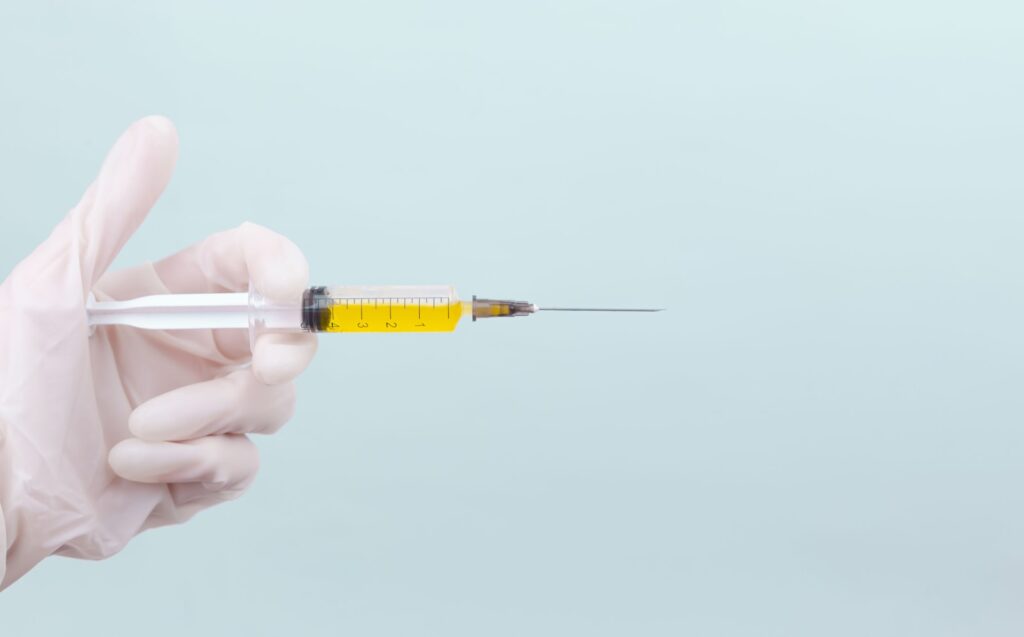
Quick answer. Sclerotherapy is a common, minimally invasive treatment for spider veins and small varicose veins, in which a solution (a “sclerosant”, liquid or foam) is injected into the vein, irritating its lining so the vein collapses, seals shut and is gradually reabsorbed while blood reroutes to healthy veins. It’s usually a quick outpatient procedure done without general anaesthetic, and often needs several sessions for the best result.
Concerned about circulation, varicose veins or leg pain?
Message our care team on WhatsApp. Tell us what’s going on and we’ll help you find the right vascular surgeon — free, with no obligation.
Chat with our care team on WhatsAppNot sure who to see? Find the right specialist →
In a medical emergency, or for severe or sudden symptoms such as breathing difficulty, chest pain, fainting or stroke signs, call 995 immediately.
Set expectations up front: results appear gradually over weeks to months, not every vein clears in one session, and because it doesn’t change the tendency to form veins, new ones can appear over time – it’s a treatment, not a permanent cure.
What sclerotherapy is and how it works
Sclerotherapy is a treatment in which a solution is injected into small varicose veins or spider veins, causing them to close and gradually fade. A fine needle delivers the sclerosant directly into the target vein. The solution irritates the inner lining, so the vein walls swell, stick together and scar over. The vein then collapses and seals; blood naturally reroutes through nearby healthy veins, and the closed vein is gradually reabsorbed and fades from view.
It is one of the most established, minimally invasive options for smaller surface veins. Many people choose it for the way their legs look, but it can also help where small veins cause aching, itching or a heavy feeling. Because it works on veins near the surface rather than the deeper vein system, it is best thought of as one tool among several – suited to some veins, while others are better managed a different way.
What it treats – and who it suits
Sclerotherapy is most established for cosmetic spider and thread veins and for smaller varicose veins. It suits people whose main concern is these finer surface vessels and who are otherwise well enough for a simple outpatient procedure.
A vascular assessment first is important. Visible surface veins can be the outward sign of a deeper problem – larger varicose veins, or faulty vein valves that let blood pool, known as chronic venous insufficiency. If an underlying valve problem is present, treating only the surface veins may give a disappointing or short-lived result, and the specialist may advise treating the larger or deeper veins first or by another method. The specialist weighs your history, examines the legs and advises what order of treatment makes sense – this guide does not diagnose your own veins.
Types of sclerotherapy
There are a few forms, chosen to match the size and location of the vein. Liquid sclerotherapy uses a liquid solution and suits the tiniest surface veins. Foam sclerotherapy mixes the solution with air to make a foam, which fills and treats somewhat larger veins more effectively. Sometimes the injections are ultrasound-guided, so the doctor can accurately reach veins that cannot be seen clearly on the surface. The specialist decides which approach fits your veins.
What to expect
Treatment usually begins with an assessment and, in many cases, a vein scan (a duplex ultrasound) to map the veins and confirm that sclerotherapy is the right choice. The injections themselves are usually quick. You will feel small needle pricks and often a minor stinging or cramping sensation as the solution goes in, but general anaesthetic is not needed and most people tolerate it well. It is typically done in a clinic, and you can usually go home the same day.
Afterwards, compression stockings are usually worn for a period, as advised, to help the treated veins stay closed and to support healing. Staff will explain how long to keep them on and how to care for the injection sites before you leave.
Aftercare
Good aftercare helps results and lowers the chance of problems. Typical advice is to wear compression as instructed, to walk regularly and stay active, and to keep moving through the day rather than sitting or standing still for long stretches. You will usually be asked to avoid strenuous exercise, hot baths, saunas and direct sun on the treated area for a short period while the veins settle.
A follow-up visit is normal, so the specialist can review how the veins are responding. More than one session may be needed to clear a given area, and top-up sessions are common – this is expected rather than a sign that anything has gone wrong.
Results and realistic expectations
Treated veins fade gradually, over weeks to months rather than immediately, and larger veins tend to take longer than fine spider veins. Not every vein clears in a single sitting, which is why several sessions are often planned.
It is also important to know that sclerotherapy manages rather than permanently “cures” a tendency to form veins. It treats the veins you have now, but it does not stop new spider or varicose veins appearing later. Many people are very happy with the improvement, and some return from time to time for further treatment as new veins show up.
Risks and side effects
Most side effects are mild and temporary. Common ones include bruising, redness and itching, small raised bumps at injection sites, and brown skin discolouration or fine brown lines along the treated vein, which usually fade with time. Some people notice tiny “matting” – a fine network of new small vessels near the treated area – which may settle or need further attention.
Less commonly, more serious problems can occur: a small area of skin ulceration at an injection site, an allergic reaction to the solution, or, rarely, a blood clot. Sclerotherapy may not be suitable for everyone – for example during pregnancy or breastfeeding, or in people with certain clotting problems or a known allergy to the solution. The specialist screens for these and explains the individual risks that apply to you before treating.
How it compares with other treatments
Sclerotherapy is one option among several, matched to the size and type of vein. For very tiny surface veins, laser treatment applied to the skin is sometimes used instead of or alongside injections. For larger varicose veins, or where faulty deeper veins are driving the problem, treatments such as vein ablation (using heat or other energy to seal the vein from within) or surgery may be more appropriate. There is no single “best” treatment for everyone; the right choice depends on your veins, the assessment findings and your goals, which is exactly what the specialist discussion is for.
Choosing safely
Because visible veins can signal an underlying problem, it is worth seeing a suitably qualified doctor – a vascular surgeon or vein specialist – and having a proper assessment, rather than treating this as a purely cosmetic quick-fix. In Singapore, look for a licensed medical facility and a clinician trained in vein assessment and treatment; reputable general guidance is available through HealthHub. A thorough assessment protects you from having surface veins treated while a more important underlying issue goes unaddressed.
When to see a doctor
See a doctor if you are considering treatment for spider or varicose veins, or if your veins come with aching, swelling or skin changes that suggest an underlying vein problem needing assessment first. After treatment, seek care promptly for increasing pain, a hard, painful lump or spreading redness or warmth in the leg (which may signal a clot or reaction), skin breakdown or an ulcer at an injection site, or signs of a serious allergic reaction. Call 995 for sudden breathlessness or chest pain. A vascular specialist can assess and treat vein problems.
Related vascular & circulation topics
- Peripheral artery disease (PAD)
- Critical limb ischaemia
- Carotid artery stenosis
- Superficial thrombophlebitis
- Chronic venous insufficiency
- Spider veins
- Leg ulcers
- Venous eczema
- Lymphoedema
- Varicose veins
- Deep vein thrombosis (DVT)
- Vascular surgeons in Singapore
Sources
- NHS — Varicose veins treatment: foam sclerotherapy, outpatient with local anaesthetic, compression stockings after, duplex assessment, ultrasound guidance.
- Cleveland Clinic — Sclerotherapy: mechanism, in-office procedure, post-care, results timeline, side effects, contraindications.
- PubMed — liquid vs foam sclerotherapy for spider and varicose veins (indication choice).
- Vein-centre references — foam vs liquid closure and session considerations.