
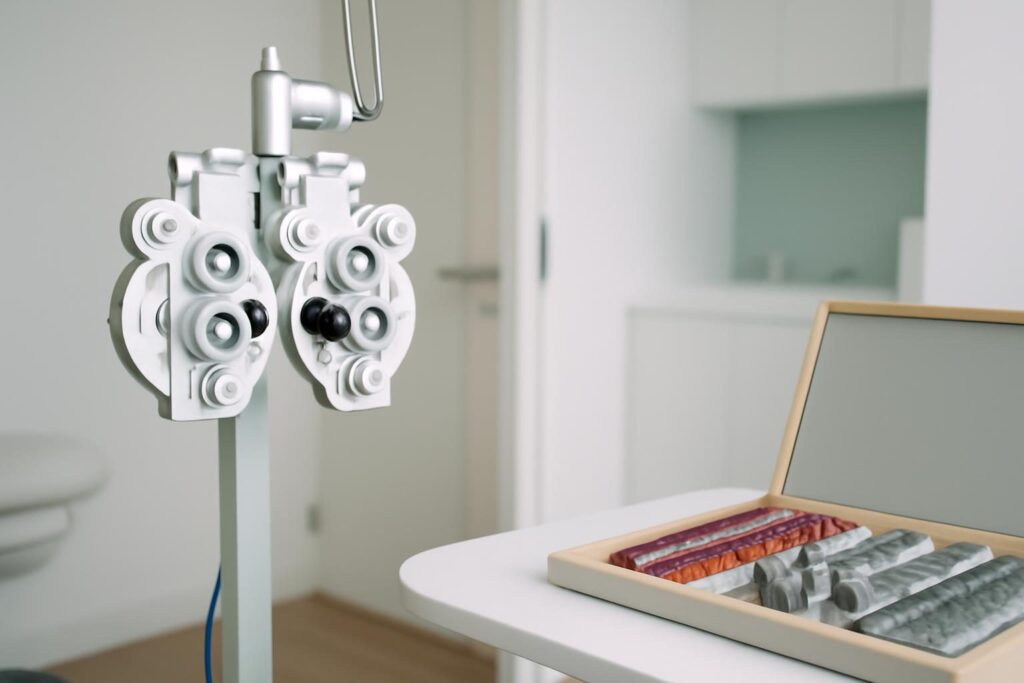
Dr Mohamad Rosman is an ophthalmologist who sub-specialises in refractive surgery (including LASIK, SMILE, PRK and ICL), cataract surgery with advanced intraocular lenses, and presbyopia treatment. He was Head of the Refractive Surgery Department at the Singapore National Eye Centre (SNEC) from 2014 until he entered private practice in 2023. He now practises at Advanced Eye Clinic & Surgery at Mount Elizabeth, Orchard.
Clinical focus
Cataract & refractive (LASIK/SMILE/ICL) surgery.
Qualifications (as publicly listed)
MBBS, MMed (Ophthalmology), MRCSEd, FRCS (Ed), FAMS.
Where they practise
- Clinic / practice: Advanced Eye Clinic & Surgery — Orchard (Mount Elizabeth)
- Hospital / training affiliation(s): Mount Elizabeth; formerly SNEC (Head, Refractive Surgery Department, 2014-2023)
Getting to the clinic
Dr Mohamad Rosman practises at Advanced Eye Clinic & Surgery within Mount Elizabeth Medical Centre in the Orchard precinct. The nearest station is Orchard MRT (NS22/TE14), served by the North–South and Thomson–East Coast Lines, a short walk from the medical centre through the surrounding Orchard developments. Many patients arriving for surgery or imaging prefer a taxi or ride-hailing drop-off directly at the building entrance.
- By MRT: alight at Orchard (NS22/TE14) and walk towards Mount Elizabeth.
- By bus: numerous services run along Orchard Road; check your route to the nearest stop and walk in.
- By car or taxi: taxi and ride-hailing drop-off is available, and Mount Elizabeth has a paid visitor carpark, with further paid parking in nearby Orchard buildings.
Orchard traffic is heaviest at weekday peaks, so allow extra time, and arrive early for a first appointment to complete registration without rushing, especially if dilating drops are planned.
What cataract & refractive surgery covers
Dr Rosman sub-specialises in cataract and refractive surgery. Cataract — clouding of the eye’s natural lens — commonly develops with age and causes gradual blurring, glare and dimming of vision. Cataract surgery removes the cloudy lens and replaces it with a clear artificial intraocular lens, and advanced lens options can also help reduce dependence on glasses, including for presbyopia (the age-related loss of near focus).
Refractive surgery aims to reduce reliance on glasses or contact lenses for short-sightedness, long-sightedness and astigmatism. As the profile notes, this includes laser procedures such as LASIK, SMILE and PRK, as well as implantable collamer lenses (ICL) for suitable eyes. Careful screening determines which approach is safe and appropriate, since the shape and health of the cornea, the prescription and the overall condition of the eye all influence the recommendation. The shared goal across cataract and refractive work is clear, comfortable vision with realistic expectations.
What to expect at a consultation
A first visit covers your symptoms or goals — troublesome cataract symptoms, or a wish to reduce dependence on glasses — along with your eye and general health history and any previous surgery or contact-lens wear. Vision is measured and the eye examined at the slit lamp.
Detailed measurements and imaging are central to planning: corneal topography and tomography map the cornea, and precise measurements of the eye guide lens selection for cataract or suitability for refractive surgery. The doctor then explains the findings, sets out the options — including the choice of intraocular or implantable lens — and discusses the benefits, limitations and recovery of each.
Preparing for your appointment
- Photo identification and any GP, optometrist or polyclinic referral letter.
- Previous eye records, operation notes and earlier corneal scans.
- A current list of medications, eye drops and supplements.
- Your current glasses, and details of your contact lenses; you may be asked to stop wearing lenses before refractive imaging, so ask about this when booking.
- A written list of symptoms, your vision goals and questions.
If dilating drops are used, vision will be blurred and light-sensitive for several hours, so plan not to drive yourself home.
After your consultation and follow-up
You will usually leave with a clear plan: a date for surgery, a recommendation on lens choice, or further tests. Cataract and refractive procedures involve scheduled post-operative reviews to confirm healing and check vision as it stabilises, and eye drops are commonly used during recovery. Reports and results can be released for your records or your optometrist.
Keeping to follow-up appointments helps the doctor confirm a good outcome and catch any issue early. For an elective procedure you are entitled to seek a second opinion and to take time over the decision. Seek urgent care if you develop sudden severe pain, marked loss of vision, increasing redness with discharge, or any unexpected change after surgery, as these can signal a problem needing prompt attention.
Booking, referrals and fees
As a private specialist, you can usually book without a formal referral, though a letter from your GP, optometrist or polyclinic may help and can support subsidies in a public setting. For eligible cataract surgery, MediSave, MediShield Life and Integrated Shield Plans may apply within set limits, while elective refractive surgery such as LASIK is typically not subsidised, and consultations are generally out of pocket. Confirm fees, estimates and insurance details with the clinic before proceeding.
Common questions
How do I choose between LASIK, SMILE, PRK and ICL?
The best option depends on your prescription, corneal thickness and shape, and eye health. Detailed screening during the consultation determines which procedures are safe and suitable for you.
Can cataract surgery reduce my need for glasses?
Advanced intraocular lenses can reduce dependence on glasses, including for reading, though results vary. The doctor will explain the lens options and set realistic expectations.
Is refractive surgery permanent?
Laser correction reshapes the cornea permanently, but vision can still change with age, and reading glasses may be needed later in life. This is discussed during assessment.
Do I need a referral to be seen?
Not necessarily for a private consultation, but bringing any referral letter and previous eye records helps the doctor plan your care.
Related guides
Sources & verification
See also: our editorial directory of eye specialists (ophthalmologists) in Singapore and our shortlist of eye clinics.
This is an independent, factual profile compiled from the public sources listed above — not a paid listing, advertisement or endorsement. Details can change; always verify a doctor’s current registration on the Singapore Medical Council public register and confirm specifics directly with the clinic. This page is general information, not medical advice or a recommendation of any individual practitioner. See our editorial policy.
Don’t agree with this listing? If this is your profile and you’d like the details corrected, updated or removed — or you’d like to be featured — please reach out to us or use our contact form. We’ll sort it out quickly.