
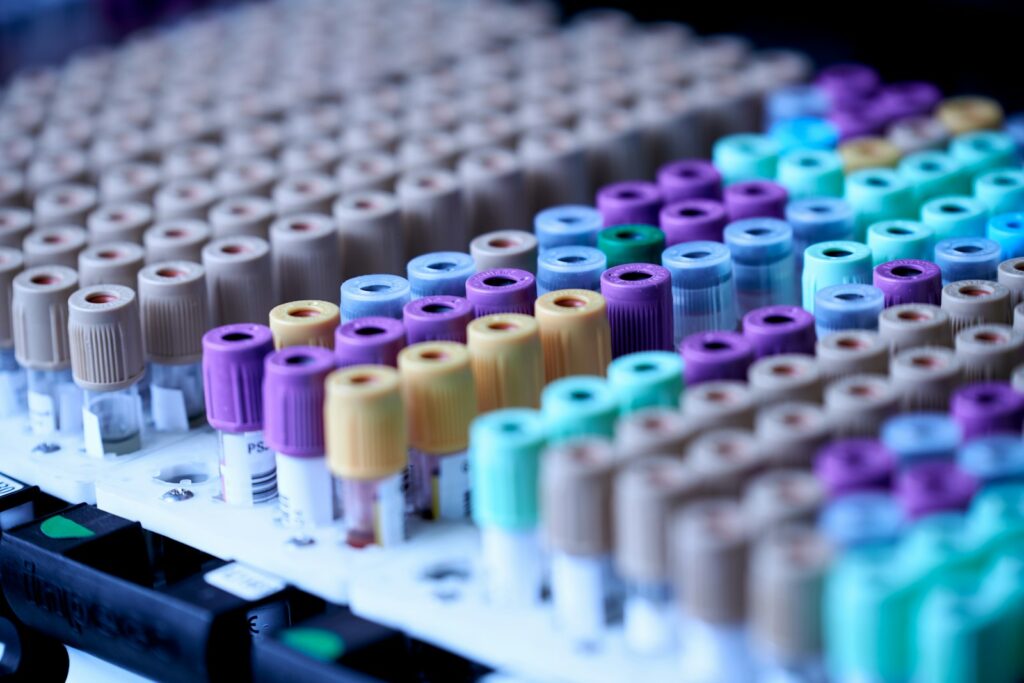
Blood tests are one of the most common things a GP or polyclinic doctor orders — for a routine screen, to check symptoms, to monitor a condition, or before a procedure. This guide explains, in plain English, what the common panels look at and, just as importantly, what an out-of-range number does and does not mean. The single most useful thing to understand is that a result outside the “normal” range is often not a problem, and a single number is not a diagnosis — your doctor interprets it in the context of your history, symptoms and other results.
Not sure which gp clinic you need?
Message our care team on WhatsApp. Tell us what’s going on and we’ll help you find the right gp clinic — free, with no obligation.
Chat with our care team on WhatsAppNot sure who to see? Find the right specialist →
In a medical emergency, or for severe or sudden symptoms such as breathing difficulty, chest pain, fainting or stroke signs, call 995 immediately.
Do not self-diagnose from a portal number. Reference ranges are statistical and vary between laboratories and with age, sex, ethnicity and pregnancy, so a small deviation is common and often harmless. Discuss your results with the doctor who ordered them; if a result genuinely needs urgent action, the clinic will contact you.
Why blood tests are done
A doctor may order blood tests as part of a routine health screen, to investigate symptoms such as tiredness or breathlessness, to monitor a known condition or a medication, or before a procedure. In Singapore, blood is usually drawn at a GP clinic, polyclinic or hospital and sent to an accredited laboratory, and the ordering doctor receives and interprets the results. A test is a tool to help answer a question, not an end in itself.
The full blood count and kidney panel
The full blood count (FBC) looks at the three main cell types: red cells and haemoglobin, which carry oxygen and, when low, can point toward anaemia; white cells, part of the immune system, which can rise with infection or inflammation; and platelets, which help blood clot. The renal panel, or kidney function test, measures urea and creatinine (waste products the kidneys filter), electrolytes such as sodium and potassium, and an estimated filtering rate (eGFR) — giving a picture of kidney function and salt and water balance. The eGFR is an estimate affected by age, sex and muscle mass.
Liver, cholesterol, glucose and thyroid
Liver function tests are a group of enzymes and proteins reflecting the liver; mildly abnormal liver results are common and often not serious, and our abnormal liver function tests guide covers them. The lipid panel measures total cholesterol, LDL (“bad”), HDL (“good”) and triglycerides to help assess cardiovascular risk, and may need fasting. Blood glucose is the sugar level at the moment of the test, while HbA1c reflects the average over roughly the past two to three months and is used in assessing diabetes. Thyroid function is covered in our thyroid function tests guide.
Other tests you may see
You may also come across iron studies, including ferritin, often used to work up anaemia; inflammatory markers such as CRP and ESR, which are general, non-specific signs of inflammation; and tumour markers, which our tumour markers guide explains — and which are not stand-alone cancer tests. Each of these is a piece of a larger picture rather than an answer on its own.
Why an out-of-range result is often fine
Reference ranges are statistical: they are set so that most, but not all, healthy people fall inside them, which means some perfectly healthy people fall just outside. They also vary between laboratories and with age, sex, ethnicity and pregnancy, so two labs can report the same blood slightly differently, and a value just outside the range is common and frequently harmless. This is why this guide gives no numbers — a figure only means something in your personal context, read by your doctor.
A single number is not a diagnosis
Doctors interpret each result alongside your symptoms, history, medicines, other results and often a repeat test, because one mildly abnormal value in isolation rarely means much. Results can also be affected by recent illness, dehydration, the timing of the test, and medicines or supplements. Fasting matters for some tests, such as certain glucose and lipid tests, so follow the clinic’s instructions and ask if you are unsure.
Waiting for results and getting help
Seeing a flagged result on a portal before your doctor has reviewed it is common and understandable, but a flag is a prompt to discuss, not to panic or search for a diagnosis. Many clinics contact you only when there is something to act on, so no news often means nothing urgent — though you can always call to have results explained. Home or direct-to-consumer test kits still need professional interpretation. Only your ordering doctor can interpret your specific results, and for any severe symptoms while awaiting results, seek care and call 995 in an emergency. The reassuring bottom line is that most blood tests come back either normal or with a minor, easily explained variation, and that the numbers are there to help your doctor answer a question about your health — not to be decoded alone at 2am on a health portal. If a result worries you, the best next step is simply to ask the doctor who ordered it what it means for you.
Related tests & diagnostics topics
- X-ray: what to expect
- Echocardiogram (heart ultrasound)
- Holter monitor & ambulatory ECG
- Thyroid function tests
- Urine test explained
- Stool tests explained
- Contrast scans & dye
- Biopsy: what to expect
- Home blood-pressure monitoring
- ECG (electrocardiogram)
- GP clinics in Singapore
Sources
- NHS — Blood tests: nhs.uk
- Lab Tests Online UK — Full blood count: labtestsonline.org.uk
- HealthHub Singapore: healthhub.sg