
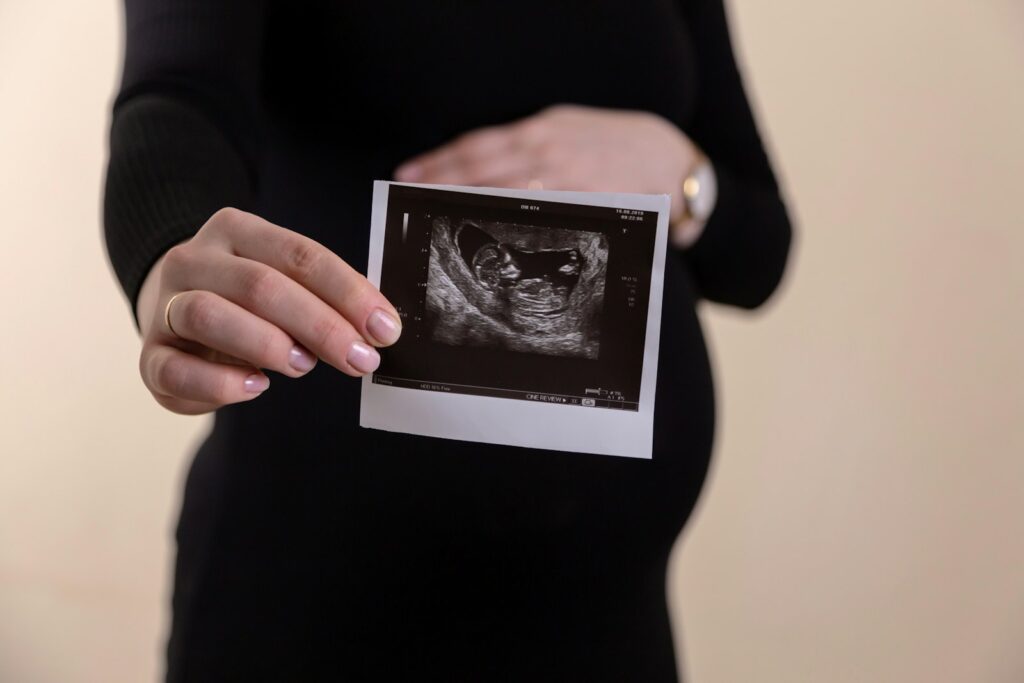
Bleeding during pregnancy is common, especially in the early weeks, and it does not always mean something is wrong. Even so, it can also be a warning sign, so bleeding at any stage should always be checked by a doctor or your maternity unit. When in doubt, get it looked at — it is better to be reassured than to wait.
Not sure which specialist you need?
Message our care team on WhatsApp. Tell us what’s going on and we’ll help you find the right specialist — free, with no obligation.
Chat with our care team on WhatsAppNot sure who to see? Find the right specialist →
In a medical emergency, or for severe or sudden symptoms such as breathing difficulty, chest pain, fainting or stroke signs, call 995 immediately.
Noticing blood during pregnancy is understandably frightening. Many women who bleed early on go on to have a healthy pregnancy, and light spotting often settles on its own. But because bleeding can occasionally point to a more serious problem, it should never be ignored or dismissed. This guide explains what bleeding can mean at different stages, when to seek urgent help, and what to expect when you are assessed by an obstetrician or maternity team in Singapore.
What bleeding can mean
Light bleeding or spotting is common in early pregnancy and frequently turns out to be harmless. The colour can range from pink or brown to bright red, and the amount is often small. However, bleeding can also signal a problem with the pregnancy or, less commonly, with the mother’s health. Because the same symptom can have very different causes, there is no way to tell from home whether bleeding is significant. That is why any bleeding needs assessment by a professional, who can examine you and arrange the right tests.
Early pregnancy causes
In the first part of pregnancy, bleeding can have several causes. Some are entirely harmless. Implantation bleeding can occur as the pregnancy settles into the womb lining, causing brief, light spotting. Harmless changes to the cervix are also common, as it becomes softer and richer in blood supply; this can lead to spotting, sometimes after sex or after a vaginal examination. Infections of the vagina or cervix can cause irritation and bleeding too.
Bleeding can also, sadly, be a sign of more serious problems. A miscarriage — the loss of a pregnancy in the early stages — may begin with bleeding, often with cramping tummy pain. An ectopic pregnancy, where the pregnancy develops outside the womb, is an emergency and is described below. Because these possibilities cannot be separated without an examination and scan, early bleeding always needs to be checked, usually through an early pregnancy unit.
Later pregnancy causes
Bleeding later in pregnancy is less common and needs prompt attention. As the body prepares for labour, a small amount of blood-streaked mucus — often called a “show” — can be released from the cervix, which is usually a normal part of labour approaching. However, later bleeding can also come from the placenta. In placenta praevia, the placenta lies low and covers part or all of the entrance to the womb, and it can bleed. In placental abruption, the placenta partly separates from the wall of the womb, which can cause bleeding and pain. Both of these are serious and need urgent care. Any bleeding in later pregnancy should prompt an immediate call to your maternity unit, and heavy bleeding is an emergency.
Why ectopic pregnancy is an emergency
An ectopic pregnancy occurs when a pregnancy grows outside the womb, most often in a fallopian tube. As it grows, it can cause bleeding inside the tummy and, if the tube ruptures, life-threatening internal bleeding. Warning signs include bleeding together with one-sided tummy pain, pain felt in the tip of the shoulder, feeling dizzy or faint, or discomfort when opening the bowels. If you have any of these, call 995 or go to A&E straight away. An ectopic pregnancy cannot continue safely and needs urgent treatment.
What to do
For any bleeding during pregnancy, contact your obstetrician, maternity unit or early pregnancy unit to be assessed — even if the bleeding is light or has stopped. Note when it started, the colour and amount, and whether you have pain, so you can describe it clearly. Go straight to A&E or call 995 if the bleeding is heavy, if you have severe or one-sided tummy pain or shoulder-tip pain, or if you feel faint, dizzy or unwell. Do not wait to see whether it settles.
How it’s assessed
Assessment depends on how far along you are and how you are feeling. The doctor will ask about your symptoms and may perform a gentle examination to look at the cervix and check for the source of bleeding. An ultrasound scan is often used to see where the pregnancy is and how it is developing. Blood tests may be arranged, including checks of pregnancy hormone levels and your blood group. In later pregnancy, the team will also check the baby’s wellbeing, for example by monitoring the heartbeat. These steps help find the cause and guide the safest next steps.
Rhesus and blood group note
Your blood group matters when there is bleeding in pregnancy. Some women with a rhesus-negative blood group may be offered an injection after bleeding to protect future pregnancies. Whether this is needed depends on your blood group and the situation, which is one reason blood tests are part of the assessment. Your maternity team will advise you if it applies to you.
Support
Bleeding in pregnancy can be deeply worrying, and it is natural to feel anxious while you wait to be seen. Please be kind to yourself, and lean on your partner, family or friends for support. Where bleeding leads to the loss of a pregnancy, the sadness can be profound, and grief may come in waves. You are not alone, and support is available through your maternity team, your family doctor and counselling services in Singapore. Asking for help is a sign of strength, not weakness.
When to seek emergency help
Call 995 or go to A&E without delay if you have heavy bleeding, severe or one-sided tummy pain, pain in the tip of your shoulder, or if you feel dizzy, faint or generally unwell. For any other bleeding in pregnancy, contact your maternity unit or doctor promptly. Trust your instincts — if something feels wrong, get it checked.
Common questions
Does bleeding always mean I am having a miscarriage?
No. Light bleeding is common in early pregnancy and many women who bleed go on to have a healthy pregnancy. But because bleeding can sometimes be a sign of a problem, it should always be checked by your doctor or maternity unit rather than assumed to be harmless.
Is spotting after sex during pregnancy normal?
The cervix becomes softer and richer in blood supply during pregnancy, so light spotting after sex or a vaginal examination can happen and is often harmless. Even so, mention it to your maternity team so they can confirm all is well.
What colour of bleeding is concerning?
Any bleeding — whether pink, brown or bright red — should be checked. Heavy bright-red bleeding, or bleeding with pain, dizziness or feeling faint, needs emergency care. You cannot tell the cause from the colour alone, so it is safest to be assessed.
Should I go to A&E or call my maternity unit?
Go to A&E or call 995 for heavy bleeding, severe or one-sided pain, shoulder-tip pain, or feeling faint. For lighter bleeding without these warning signs, contact your maternity unit or early pregnancy unit promptly for advice and assessment.
Can I do anything at home to stop the bleeding?
There is no safe home remedy to stop bleeding in pregnancy, and you should not ignore it. Rest, note the details of the bleeding and any pain, and contact your maternity team. Seek emergency help immediately if the bleeding is heavy or you feel unwell.
Related guides
More questions people ask
What tests will the doctor do if I bleed in early pregnancy?
Assessment usually starts with questions about how much you are bleeding, any pain, and how many weeks pregnant you are, followed by an examination. An ultrasound scan, often done internally in the early weeks, checks where the pregnancy is and whether a heartbeat can be seen. Blood tests may measure pregnancy hormone levels, sometimes repeated a couple of days apart, and check your blood group. If the scan is too early to be clear, a follow-up scan is commonly arranged.
Why does my blood group matter if I bleed during pregnancy?
If your blood group is rhesus (Rh) negative, bleeding in pregnancy can sometimes expose your body to your baby’s blood cells. If the baby is Rh positive, your immune system may make antibodies that could affect this or a future pregnancy. To prevent this, doctors may offer an injection called anti-D after certain episodes of bleeding. Tell your maternity team if you know you are Rh negative, and they will check your blood group if it is not on record.
Can bleeding in the second or third trimester harm my baby?
Bleeding later in pregnancy needs prompt assessment because some causes, such as a low-lying placenta or the placenta starting to separate from the womb, can affect both you and your baby. Not all later bleeding is serious, and sometimes it comes from the cervix, but it cannot be judged at home. Go to your maternity unit straight away, and call 995 for heavy bleeding, constant tummy pain, a hard tender bump, or if your baby is moving less than usual.
Should I rest or stop working after bleeding in pregnancy?
There is no strong evidence that strict bed rest prevents miscarriage, so most women are not told to stay in bed after light bleeding. Your doctor may suggest taking things easy for a day or two, avoiding heavy lifting, and holding off sex until the bleeding settles, depending on the cause. If your work is physically demanding, ask whether a medical certificate or lighter duties would help. Follow the specific advice from your own assessment, as it varies by situation.
Can I fly or travel after bleeding in pregnancy?
It is wise to get the bleeding checked and its cause understood before you travel, especially overseas. Your doctor can tell you whether flying is reasonable given your scan findings and stage of pregnancy. Check your travel insurance carefully, as cover for pregnancy complications varies. Carry your antenatal notes, and know how to reach medical care at your destination. If bleeding returns or becomes heavy while travelling, seek emergency care locally rather than waiting until you return home.
Sources
- KK Women’s and Children’s Hospital
- HealthHub
- NHS
- Royal College of Obstetricians and Gynaecologists