
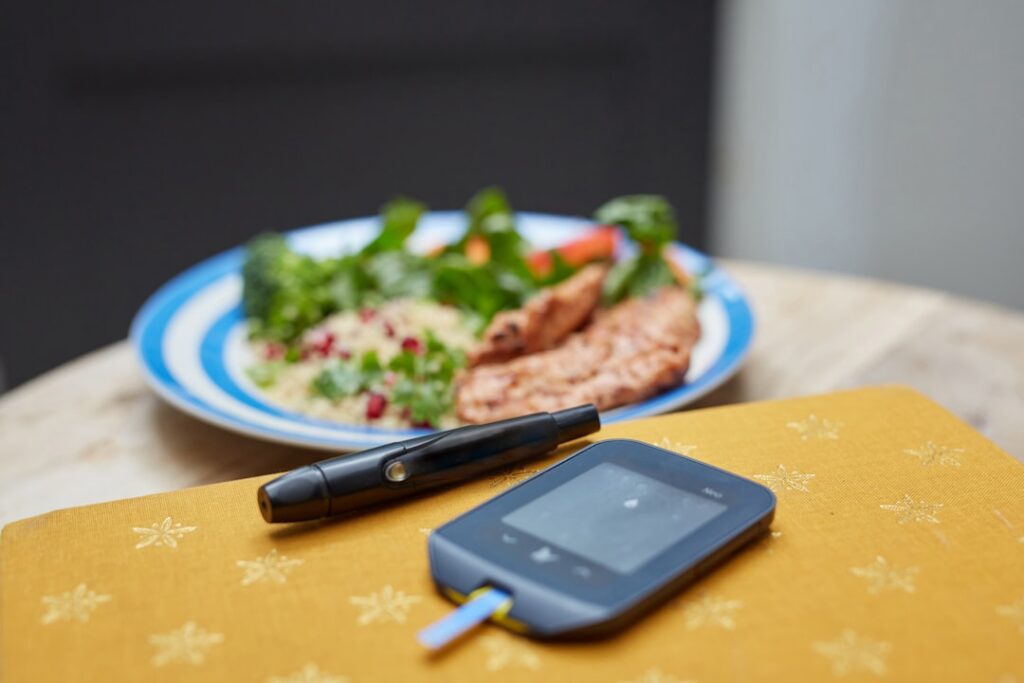
Quick answer. Type 2 diabetes is managed in Singapore through lifestyle changes, medications and regular monitoring, with a common HbA1c target of below 7.0% (individualised by your doctor). Care is supported by the Chronic Disease Management Programme (CDMP), which lets you use MediSave and CHAS subsidies at polyclinics and CHAS GP clinics, and includes annual screening of your eyes, kidneys and feet. This guide is general information, not medical advice.
Managing diabetes, or worried about your blood-sugar control?
Message our care team on WhatsApp. Tell us what’s going on and we’ll help you find the right best endocrinology & diabetes clinic — free, with no obligation.
Chat with our care team on WhatsAppNot sure who to see? Find the right specialist →
In a medical emergency, or for severe or sudden symptoms such as breathing difficulty, chest pain, fainting or stroke signs, call 995 immediately.
Type 2 diabetes is one of Singapore’s most common chronic conditions, and good control sharply reduces the risk of long-term complications. Management combines diet, physical activity, medication and routine monitoring of HbA1c. Because diabetes is covered under the national Chronic Disease Management Programme (CDMP), much of your ongoing care can be subsidised through MediSave and CHAS. This guide explains targets, treatment options and the screening you should expect, based on MOH, HealthHub and ACE guidance.
At a glance
| Measure | Range | General interpretation |
|---|---|---|
| HbA1c | Below 6.0% | Normal (no diabetes) |
| HbA1c | 6.0% to 6.4% | Prediabetes (raised risk) |
| HbA1c | 6.5% or higher | Diabetes range (diagnosis confirmed by your doctor) |
| Common HbA1c target on treatment | Below 7.0% | Typical goal; balances complication risk against hypoglycaemia |
| Individualised target | May be higher or lower | Set by your doctor based on age, other conditions and risks |
| HbA1c testing frequency | At least 2 times per year | MOH-recommended monitoring once on treatment |
What HbA1c targets mean for you
HbA1c reflects your average blood glucose over about 2 to 3 months. MOH clinical guidance commonly cites a target of below 7.0% for many adults, as this balances preventing complications against the risk of low blood sugar (hypoglycaemia).
- Your personal target may be set higher or lower depending on age, how long you have had diabetes, other medical conditions and your risk of hypoglycaemia.
- Guidelines recommend at least two HbA1c tests per year once you are on treatment.
- HbA1c is an average; it does not replace daily readings for those who self-monitor.
Always confirm your individual target with your own doctor.
Lifestyle: the foundation of control
Lifestyle changes remain first-line and continue alongside any medication.
- Diet: Use HPB’s My Healthy Plate (quarter wholegrains, quarter protein, half fruit and vegetables) and choose lower-sugar, lower-refined-carbohydrate options.
- Activity: Aim for regular moderate exercise across the week, as advised by your care team.
- Weight: Even modest weight loss can improve glucose control.
- Smoking and alcohol: Stopping smoking and limiting alcohol lower complication risk.
Medications: a general overview
If lifestyle alone does not reach your target, your doctor may add medication. The ACE Clinical Guidance for Singapore describes a stepwise approach. This is general information only, and not a prescription.
- Metformin is usually the first-line medicine.
- SGLT-2 inhibitors and GLP-1 receptor agonists may be considered, especially where heart or kidney protection is a priority.
- Other classes such as sulfonylureas and DPP-4 inhibitors may be added when glucose control is the focus.
- Some people eventually need insulin.
Never start, stop or change doses without your doctor. Do not rely on any drug names here as dosing instructions.
CDMP, MediSave and CHAS support
Type 2 diabetes is one of the conditions covered under the Chronic Disease Management Programme (CDMP), which helps lower out-of-pocket costs at polyclinics and CHAS GP clinics.
- MediSave: Under the MediSave 500/700 limits, you can claim up to $500 per year (or up to $700 for complex conditions) toward outpatient chronic disease bills, with a 15% cash co-payment per claim.
- CHAS: CHAS cardholders may receive government subsidies, with higher subsidies for Pioneer Generation and Merdeka Generation cardholders.
- Healthier SG: Enrolling with a regular GP supports continuity of chronic care.
Exact amounts and rules can change, so verify current details on HealthHub or with your clinic.
Complications screening: eyes, kidneys and feet
Regular screening catches complications early, often before symptoms appear. MOH guidance includes:
- Eyes: Annual eye screening (retinal photography or an eye specialist) for diabetic retinopathy.
- Kidneys: Annual kidney screening using serum creatinine/eGFR and urine albumin-to-creatinine ratio.
- Feet: Annual foot screening to check circulation, nerve sensation and skin, helping prevent ulcers.
Keep these appointments even when you feel well.
When to see an endocrinologist
Many people are managed well by polyclinics or GPs. Consider a referral to an endocrinologist if blood sugar stays above target despite treatment, if control is unstable, if complications are developing, or if you need complex insulin regimens. Your GP or polyclinic can arrange this.
What to expect at a diabetes review
A routine diabetes review usually combines a check of your numbers with a wider look at your health. Your doctor or nurse may review recent HbA1c results, blood pressure and any home glucose readings, ask about symptoms of high or low blood sugar, and check whether your medicines are working and well tolerated. Periodically this expands into the annual checks of your eyes, kidneys and feet. Bringing your medication list, a record of any home readings and a note of questions makes the visit more useful.
Self-management between visits
Most diabetes care happens at home, not in the clinic. Take medicines consistently and tell your team if cost, side effects or a busy schedule make this hard, as there are often workarounds. Learn the signs of low blood sugar (shakiness, sweating, confusion) and how to treat it quickly if you are on medicines that can cause it. Keep up regular activity and balanced meals, and do not skip meals if you take medicines that lower glucose. During illness, fever or reduced eating, ask your team in advance what to do about your medicines, as some may need adjusting.
Questions to ask your doctor
- What is my personal HbA1c target, and am I meeting it?
- Could any of my medicines cause low blood sugar, and how would I treat it?
- Are my eye, kidney and foot checks up to date?
- What should I do with my medicines on days I am unwell or eating less?
Common questions
Can type 2 diabetes be reversed?
Some people achieve remission, with blood sugar in the normal range without medication, often through substantial weight loss. This is not guaranteed and depends on individual factors, so discuss whether it is realistic for you with your doctor.
Will I definitely need insulin one day?
Not necessarily. Many people are managed for years on tablets and lifestyle measures. Insulin is one option among several and is started when it is the most suitable way to reach your target.
Related guides
- Best Endocrinology & Diabetes Clinics in Singapore — our editorial shortlist
- endocrinology & diabetes clinics directory
- Thyroid conditions
- Prediabetes prevention
- Diet and monitoring
Sources
- HealthHub – Diabetes
- MOH – Chronic Disease Management Programme (CDMP)
- ACE Clinical Guidance – Type 2 Diabetes Mellitus
- Diabetes Singapore – Prevention & Management of Complications
Related conditions & guides
Related conditions and guides you may find useful:
- Weight-Loss (Bariatric) Surgery in Singapore
- Childhood Obesity in Singapore
- Coronary Artery Disease & Angina in Singapore
- Diabetes Complications in Singapore
- Fatty Liver Disease in Singapore
- Heart Rhythm Disorders (Arrhythmias) in Singapore
Part of our Diabetes & hormones guides · Browse all health topics