
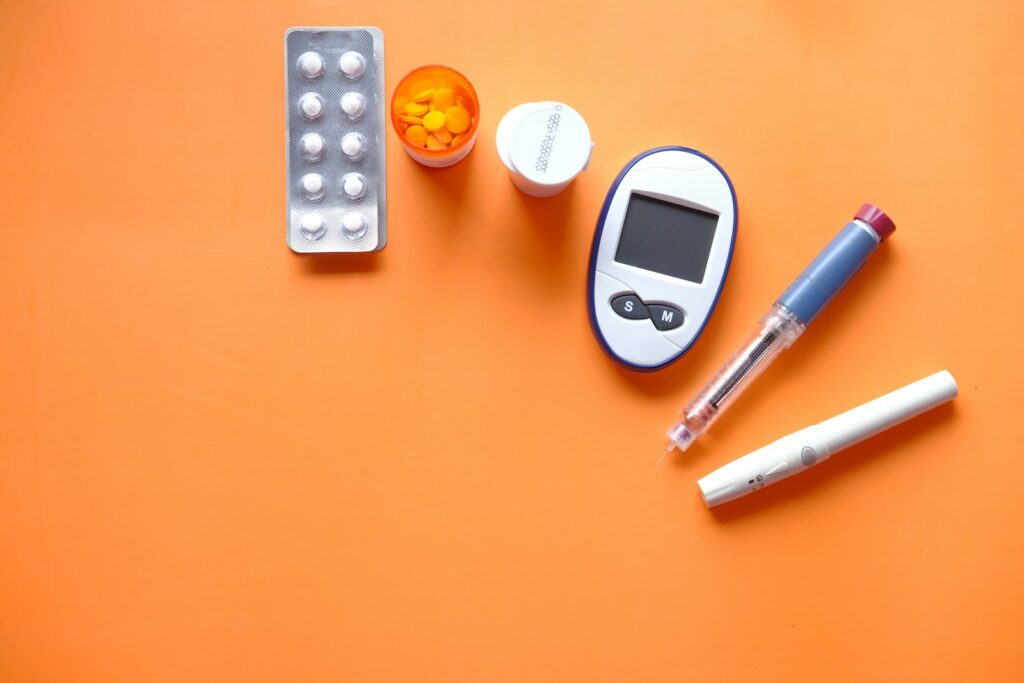
Quick answer. Type 1 diabetes is an autoimmune condition in which the immune system destroys the insulin-producing cells of the pancreas, so the body makes little or no insulin. This is fundamentally different from type 2 diabetes, which is mainly insulin resistance. It is often diagnosed in childhood or young adulthood but can appear at any age, and it is not caused by diet or lifestyle. Treatment is lifelong insulin (injections or a pump) with blood glucose monitoring – never tablets or diet alone. A dangerous acute complication, diabetic ketoacidosis (DKA), can be fatal without urgent treatment – call 995.
Managing diabetes, or worried about your blood-sugar control?
Message our care team on WhatsApp. Tell us what’s going on and we’ll help you find the right endocrinologist — free, with no obligation.
Chat with our care team on WhatsAppNot sure who to see? Find the right specialist →
In a medical emergency, or for severe or sudden symptoms such as breathing difficulty, chest pain, fainting or stroke signs, call 995 immediately.
Type 1 diabetes is a lifelong but manageable condition. With modern insulin, glucose monitoring and education, people with type 1 diabetes lead full, active lives – and understanding the warning signs, especially of DKA, helps keep it safe.
What type 1 diabetes is
Type 1 diabetes is an autoimmune condition: the immune system, which normally fights infection, mistakenly attacks and destroys the insulin-making cells in the pancreas. Insulin is the hormone that acts like a key, letting glucose (sugar) move out of the bloodstream and into the body’s cells to be used for energy. Without insulin, glucose cannot get into the cells, so it builds up in the blood while the cells effectively starve. This is why type 1 diabetes causes both high blood sugar and, at the same time, weight loss and tiredness.
It is different from the more common type 2 diabetes. Because the body can no longer make its own insulin, type 1 diabetes requires lifelong insulin treatment – it cannot be managed with tablets or diet alone. It often starts in childhood or young adulthood, but it can begin at any age, including in older adults.
Symptoms
The symptoms of type 1 diabetes often come on quickly, over days to weeks, and can seem to appear “out of the blue.” The classic warning signs are:
- Excessive thirst that is hard to satisfy;
- Passing a lot of urine, including needing to get up at night, and in children new bedwetting after they had been dry;
- Extreme tiredness and weakness;
- Unexplained weight loss despite a normal or increased appetite;
- Increased hunger;
- Blurred vision.
In children, being generally unwell, off their food, vomiting or unusually irritable can be part of the picture. If type 1 diabetes is not recognised and treated, it can progress to the serious complication described in the red-flag box above, so these symptoms should never be dismissed as a passing bug – especially in a child.
How it differs from type 2 diabetes
Both conditions involve high blood glucose, but the cause is different. Type 1 is autoimmune: the body stops making insulin, so insulin is needed from the moment of diagnosis and for life. Type 2 is linked to insulin resistance – the body still makes insulin but cannot use it well – and is strongly associated with lifestyle and other factors; it is managed differently, often starting with lifestyle changes and tablets before insulin may be needed. Understanding this difference matters, because advice aimed at type 2 diabetes does not apply to type 1, and stopping insulin in type 1 is dangerous.
Causes and who is at risk
Type 1 diabetes develops from a combination of genetic susceptibility and environmental triggers that set off the autoimmune attack on the insulin-making cells. A family history of type 1 diabetes, or of other autoimmune conditions such as thyroid disorders or coeliac disease, raises the risk – although most people who develop type 1 diabetes have no affected close relative.
Importantly, type 1 diabetes is not caused by eating too much sugar, being overweight, or by any lifestyle choice. It is not preventable, and it is nobody’s fault. This is an essential message for newly diagnosed people and their families, because misplaced guilt or blame is common and unhelpful.
How it is diagnosed
Diagnosis begins with blood glucose tests, which show that blood sugar is high, sometimes alongside a longer-term measure of average glucose. To confirm that it is type 1 rather than type 2 – particularly in adults, where the two can be harder to tell apart – a doctor may arrange further tests, such as looking for diabetes-related antibodies (a sign of the autoimmune process) and a marker of how much insulin the body is still making. These tests help the care team choose the right treatment from the start. A urine or blood check for ketones may also be done if DKA is suspected.
Treatment – the foundations
Type 1 diabetes is treated by replacing the insulin the body can no longer make. The foundations of care are:
- Lifelong insulin, given either by injections or by an insulin pump. This is essential and life-saving, and it must never be stopped, even when someone feels well or is not eating – stopping insulin can quickly lead to DKA.
- Monitoring blood glucose, using finger-prick tests or a continuous glucose monitor that tracks levels throughout the day and night.
- Balancing insulin with food and activity – learning about the carbohydrate content of meals (carbohydrate awareness) so insulin can be matched to what is eaten, and adjusting for exercise.
- Regular reviews with the diabetes team to fine-tune the plan, set individual glucose targets, and check for complications.
Insulin doses and glucose targets are always tailored to the individual by the care team, and are not something to change alone without advice.
Living with type 1
Living well with type 1 diabetes is very possible, and self-management skills make a real difference. Key areas include:
- Recognising and treating low blood sugar (hypoglycaemia) – symptoms such as shakiness, sweating, hunger, irritability or difficulty concentrating are treated promptly with fast-acting sugar. Carrying a sugar source at all times is wise. Severe lows with confusion or loss of consciousness are an emergency.
- Sick-day rules – when unwell, blood sugar and ketones can rise, so insulin should usually be continued (never stopped), fluids kept up, and glucose and ketones monitored more closely, following the plan agreed with the team.
- Exercise – physical activity is encouraged and beneficial, with adjustments to insulin or snacks to avoid lows.
- Driving and travel – planning ahead, checking glucose, and carrying supplies and snacks help keep both safe.
- Emotional wellbeing – the daily demands of type 1 diabetes can be tiring, and feelings of stress, frustration or low mood are common and worth talking about with the care team.
Complications and how they are reduced
Over the long term, persistently high blood glucose can damage blood vessels and nerves, raising the risk of problems affecting the eyes, kidneys, nerves, heart and feet. The good news is that these risks are substantially reduced by good glucose control and regular screening – including eye, kidney, foot, blood pressure and cholesterol checks – which catch early changes when they are most treatable. Alongside these long-term risks, staying alert to the acute emergencies of DKA and severe hypoglycaemia is a vital part of staying safe.
Support in Singapore
In Singapore, type 1 diabetes is managed by a team led by an endocrinologist, supported by diabetes nurse educators who teach injection technique, monitoring and sick-day rules, and dietitians who help with carbohydrate awareness and meal planning. Care is delivered through polyclinics and hospital diabetes centres; children and young people are cared for at specialist services including KKH. Diabetes Singapore offers education, screening and peer support, and HealthHub provides trusted local health information. Connecting with others living with type 1 diabetes can be a great source of practical tips and encouragement.
When to see a doctor
See a doctor urgently if you or your child develops the classic symptoms – excessive thirst, passing a lot of urine, unexplained weight loss and extreme tiredness – as these need prompt assessment. If you already have type 1 diabetes, contact your diabetes team about persistently high or low readings, frequent hypos, illness that affects eating or insulin, or any concerns about your treatment. And in an emergency – suspected DKA (vomiting, tummy pain, deep or rapid breathing, fruity-smelling breath, drowsiness or confusion) or severe hypoglycaemia with confusion, fits or unconsciousness – call 995 or go to A&E straight away.
Related conditions & guides
- Hypothyroidism (underactive thyroid)
- Hashimoto’s thyroiditis
- Thyroid disorders
- Hypoglycaemia (low blood sugar)
- Diabetic neuropathy
- Diabetic foot problems
- Addison’s disease
- Pituitary tumours
- Acromegaly
- Prolactinoma & high prolactin
- Preventing type 2 diabetes
- Endocrinologists in Singapore
Sources
- NHS — type 1 diabetes (the body cannot make insulin; symptoms; lifelong insulin).
- SingHealth / NUH, Singapore — type 1 diabetes patient education and resources for the newly diagnosed.
- Mayo Clinic / American Diabetes Association — diabetic ketoacidosis (warning signs; rapid onset; emergency).
- Diabetes Singapore — local education, screening and peer support; StatPearls (NIH) — autoantibodies and C-peptide in diagnosis.