
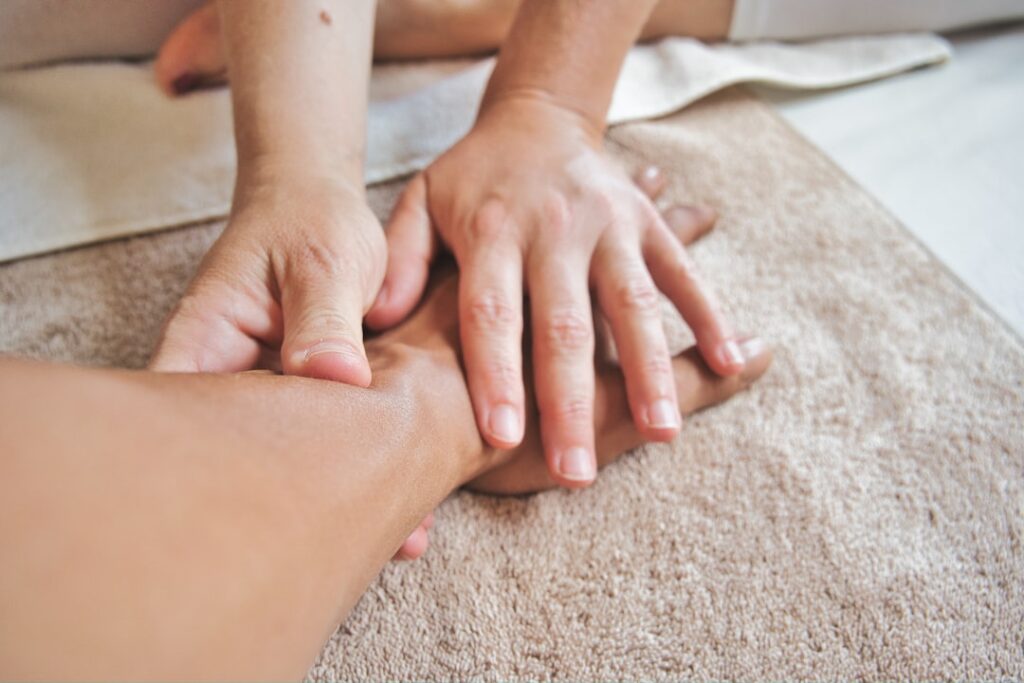
Quick answer. Tui na (推拿) is a form of therapeutic massage within Traditional Chinese Medicine, using pressing, kneading, rolling and stretching along the body’s muscles and acupressure points. In Singapore it is used mainly for musculoskeletal pain, stiffness and tension, and is often combined with acupuncture. Evidence is moderate at best and mostly short-term for some pain and neck/back complaints. It is generally low-risk when done by a trained practitioner, but should be avoided or adapted for fractures, osteoporosis, blood-clotting problems, skin infections, cancer in the area and during pregnancy. Use TCMPB-registered practitioners and keep seeing your doctor for serious symptoms.
Not sure which best tcm physicians & acupuncturist you need?
Message our care team on WhatsApp. Tell us what’s going on and we’ll help you find the right best tcm physicians & acupuncturist — free, with no obligation.
Chat with our care team on WhatsAppNot sure who to see? Find the right specialist →
In a medical emergency, or for severe or sudden symptoms such as breathing difficulty, chest pain, fainting or stroke signs, call 995 immediately.
Tui na (also written tuina) is one of the main hands-on therapies of TCM, alongside acupuncture and herbal medicine. The name means “push-grasp”: the practitioner uses a range of manual techniques on muscles, joints and acupressure points to relieve tension, improve movement and, in TCM terms, help the flow of “qi”.
This guide explains what tui na involves, what conditions it is used for, what the evidence supports, who should be careful, how practitioners are regulated in Singapore, and rough costs.
What tui na is
Tui na uses techniques such as pressing, kneading, rolling, rubbing, grasping and gentle joint mobilisation and stretching. Unlike a purely relaxation massage, it is applied with a therapeutic intent based on a TCM assessment, and often focuses on specific muscle groups, joints and acupressure points related to your complaint. Pressure ranges from gentle to firm and can occasionally feel intense over tight areas.
What it’s used for
- Neck, shoulder and back pain and stiffness
- Muscle tension, knots and strains
- Limited joint movement and general aches
- Tension headaches related to neck-muscle tightness
- As part of a wider TCM plan alongside acupuncture or herbal medicine
It is also sometimes used for certain paediatric complaints in specialised paediatric tui na, and for general relaxation and wellbeing.
What the evidence supports
For musculoskeletal problems — particularly neck and lower-back pain — massage-based therapies including tui na can provide short-term relief of pain and stiffness for some people, though the quality of studies varies and long-term benefit is less certain. As with other manual therapies, it is reasonable as part of managing everyday aches and tension, but it is not a treatment for the underlying cause of serious disease. If pain is severe, follows an injury, or comes with red-flag features (numbness or weakness, loss of bladder or bowel control, fever, unexplained weight loss), see a doctor rather than relying on massage.
Who should avoid or adapt tui na
- Fractures, dislocations or recent significant injury in the area being treated.
- Osteoporosis or fragile bones — firm techniques may need to be avoided or lightened.
- Bleeding disorders or blood-thinning medication — greater bruising risk.
- Skin infections, wounds, rashes or deep-vein thrombosis (DVT) over the treatment area.
- Cancer in the area, or unexplained lumps — get these assessed medically first.
- Pregnancy — tui na should be adapted, with certain points and abdominal work avoided; tell the practitioner if you are or might be pregnant.
Mild, temporary soreness or slight bruising after a session is common; sharp or lasting pain is not, and should be reported.
How practitioners are regulated in Singapore
TCM physicians and acupuncturists in Singapore are registered with the Traditional Chinese Medicine Practitioners Board (TCMPB). Choosing a registered practitioner — and a clinic that assesses you properly before treatment — reduces your risk. It is reasonable to ask about a practitioner’s training and registration, and to describe your medical conditions and medicines before your first session.
What a session is like
A first visit usually starts with a short history and assessment of the affected area, followed by treatment on a couch, often through a thin sheet or clothing. The practitioner explains what they find and may combine tui na with acupuncture, cupping or advice on stretches and posture. Tell them immediately if pressure is too strong or a technique is painful.
How many sessions you might need
There is no fixed number — it depends on the problem, how long you have had it and how you respond. For a recent bout of muscle tension, one or a few sessions may be enough; longstanding or recurring complaints are often managed with a short course, sometimes alongside acupuncture and home exercises. A reasonable approach is to agree a small number of sessions, review how you are doing, and continue only if you are getting a clear benefit. If several sessions bring no improvement at all, it is worth reconsidering the diagnosis with a doctor rather than simply booking more.
Tui na compared with other options
Tui na overlaps with other hands-on approaches such as remedial massage and, to some degree, physiotherapy, in that all can ease musculoskeletal tension and improve movement. The main difference is the framework: tui na is applied within a TCM assessment and is often paired with acupuncture or cupping, whereas physiotherapy is grounded in a biomechanical assessment and structured rehabilitation and exercise. For a simple muscle knot the choice may come down to preference; for pain following an injury, ongoing weakness, or a problem that keeps returning, a medical or physiotherapy assessment of the underlying cause is the more important step. See our overview of TCM for pain for how these fit together.
Cost
Fees vary with the clinic and session length. A typical session is charged per treatment, sometimes with packages for a course of sessions. Ask for the price per session and whether a package is recommended before committing, and note that TCM is generally not covered the same way as mainstream medical care. Confirm current charges with the clinic.
When to see a doctor
See a medical doctor rather than relying on massage if pain is severe, follows a significant injury, or comes with numbness, weakness, loss of bladder or bowel control, fever, or unexplained weight loss. For everyday muscle tension and stiffness, tui na can be a reasonable option, ideally alongside sensible exercise, movement and — where needed — medical assessment. See our guide to TCM for pain for how these approaches fit together.
Related guides
- Acupuncture in Singapore: uses, evidence & cost
- Cupping & gua sha: benefits, evidence & safety
- TCM for pain in Singapore
- TCM for fertility in Singapore
- Best TCM physicians & acupuncturists in Singapore
Sources
- Traditional Chinese Medicine Practitioners Board (TCMPB), Singapore — registration of TCM physicians and acupuncturists.
- Health Sciences Authority (HSA), Singapore — regulation of Chinese Proprietary Medicines and safety alerts on adulterated health products.
- Ministry of Health (MOH), Singapore — TCM regulatory framework.