
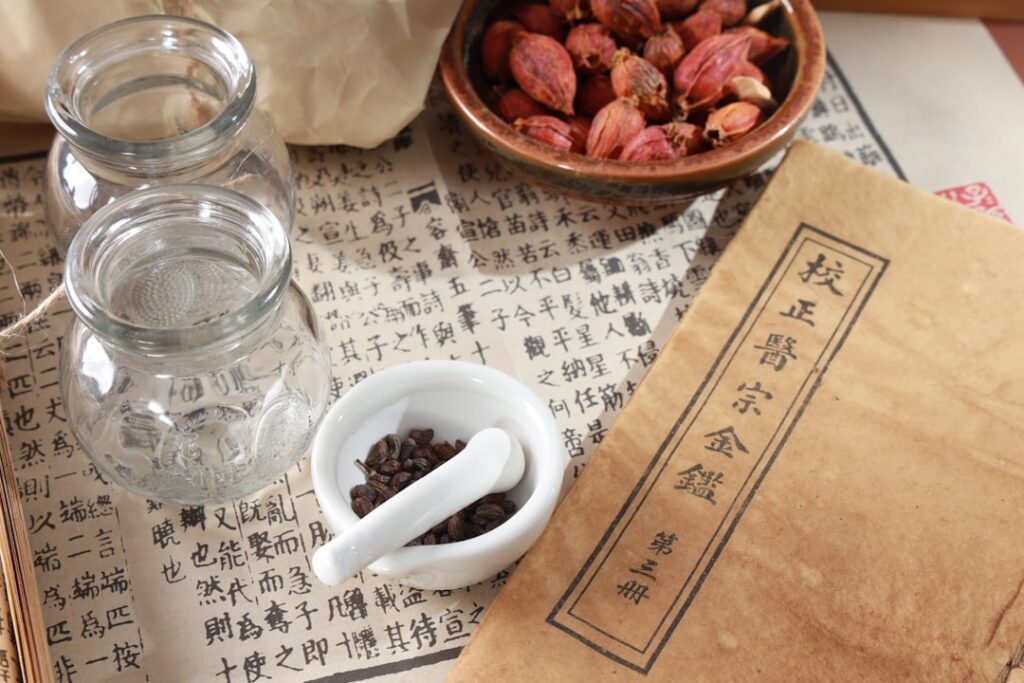
Quick answer. Chinese herbal medicine is a core part of Traditional Chinese Medicine (TCM) in Singapore, in which a registered TCM physician prescribes formulas of plant, mineral and sometimes animal ingredients — as raw herbs to boil, granules, or ready-made Chinese Proprietary Medicines (CPM). It is widely used for digestive, menstrual, respiratory, skin and general-wellness complaints. Evidence varies by condition and is stronger for some uses than others. The main safety issues are herb–drug interactions, product quality and adulteration, and delaying conventional care. See a TCMPB-registered physician, choose HSA-regulated products, and always tell your doctor and TCM physician about everything you take.
Not sure which best tcm physicians & acupuncturist you need?
Message our care team on WhatsApp. Tell us what’s going on and we’ll help you find the right best tcm physicians & acupuncturist — free, with no obligation.
Chat with our care team on WhatsAppNot sure who to see? Find the right specialist →
In a medical emergency, or for severe or sudden symptoms such as breathing difficulty, chest pain, fainting or stroke signs, call 995 immediately.
Chinese herbal medicine (中药, zhongyao) is one of the main pillars of TCM, alongside acupuncture and tuina. Rather than a single herb for a single symptom, a TCM physician typically prescribes a formula — a combination of ingredients balanced to a person’s overall “pattern” as diagnosed through the TCM history, tongue and pulse examination.
This guide explains what Chinese herbal medicine involves, the forms it comes in, what the evidence does and does not support, the safety points that matter most in Singapore, how it is regulated, and rough costs — so you can use it sensibly alongside, not instead of, conventional medical care.
What Chinese herbal medicine is
A herbal prescription is tailored to the individual. The physician selects ingredients — mostly plant parts (roots, bark, flowers, seeds), plus some minerals — and adjusts the mix over follow-up visits. Common goals include supporting digestion, easing menstrual complaints, managing coughs and colds, helping sleep, and general “tonifying” or recovery after illness. It is often combined with acupuncture or tui na.
The forms it comes in
- Raw herbs (decoction). A packet of dried herbs you simmer at home into a “soup”. Most flexible and traditional, but time-consuming and strong-tasting.
- Concentrated granules or powders. Pre-extracted herbs you dissolve in hot water — more convenient, increasingly common.
- Chinese Proprietary Medicines (CPM). Ready-made pills, tablets, capsules or syrups. In Singapore these are regulated products (see below).
What the evidence supports
The evidence base is uneven. For some conditions — certain digestive complaints, some menstrual and menopausal symptoms, and as add-on care in a few areas — there is supportive research, though study quality is often mixed. For many other claims the evidence is weak, preliminary or inconclusive. As a general rule, herbal medicine is best viewed as a complementary approach for symptom relief and wellbeing, not a replacement for diagnosis and treatment of serious disease. If you have red-flag symptoms — unexplained weight loss, bleeding, a persistent lump, severe or worsening pain — see a medical doctor first.
Safety: the points that matter most
- Herb–drug interactions. Herbs are pharmacologically active and can interact with medicines. A well-known example is the effect some herbs have on blood-thinning medication such as warfarin. If you take any prescription medicine, tell both your doctor and your TCM physician exactly what you use.
- Product quality and adulteration. The Health Sciences Authority (HSA) has repeatedly warned about health products — including some sold as “herbal” or “traditional” — found adulterated with undeclared potent Western drugs (for example steroids) or contaminated with heavy metals. Buy from reputable, licensed sources and be wary of products promising dramatic or fast results.
- Liver and kidney effects. Some herbs, or misuse of them, have been linked to liver or kidney harm. Report any unusual fatigue, jaundice or dark urine and stop the product.
- Pregnancy, breastfeeding and children. Some herbs are unsuitable in pregnancy or for young children — always disclose pregnancy or breastfeeding.
- G6PD deficiency and existing conditions. Certain ingredients are unsafe for people with G6PD deficiency or specific conditions; a proper history helps avoid these.
- Don’t delay conventional care. The biggest indirect risk is using herbs instead of seeing a doctor for a condition that needs medical diagnosis.
How it’s regulated in Singapore
Two things are worth separating. Practitioners — TCM physicians and acupuncturists — are registered with the Traditional Chinese Medicine Practitioners Board (TCMPB), and you can check a physician’s registration. Products — Chinese Proprietary Medicines — are regulated by the Health Sciences Authority (HSA), which sets requirements on safety, limits on toxic heavy metals, and takes action against adulterated or unsafe products. Choosing a registered physician and regulated products lowers your risk considerably.
What a consultation is like
A first visit covers your symptoms and history, often with tongue and pulse examination. The physician explains their assessment, prescribes a formula, and reviews you after a period to adjust it. It is reasonable to ask what is in the formula, how long you should take it, what to avoid, and what results and side effects to expect. Bring a list of your medicines and medical conditions.
Cost
Costs vary widely with the clinic and the formula. A consultation is often modest, with the herbs charged separately and depending on the ingredients and duration — some formulas are inexpensive, others (with costly ingredients) much more. Ask for the total expected cost of a course before starting, and note that TCM is generally not covered the same way as mainstream medical care. Confirm current charges directly with the clinic.
Choosing a Chinese herbal medicine clinic
When choosing where to be seen, look for a TCMPB-registered TCM physician, a clinic that takes a proper history and examination before prescribing, and one that is willing to explain what is in your formula, how long to take it and what to watch for. Be cautious of anywhere promising fast or guaranteed cures, selling unlabelled “special” powders, or discouraging you from seeing your doctor. It is also reasonable to ask where the herbs are sourced and whether the products are regulated. If you are already under specialist medical care — for example for the heart, kidneys, liver or a chronic condition, or if you are pregnant — mention this up front so the physician can prescribe safely or advise against certain ingredients.
When to see a doctor
Use conventional medical care — not herbs alone — for anything potentially serious: chest pain, breathlessness, severe or persistent pain, unexplained weight loss, bleeding, a new lump, high fever, or symptoms that are getting worse. Herbal medicine can sit alongside medical care, but it should never replace assessment of a worrying symptom. If you experience an unexpected reaction after starting a herbal product — such as a rash, stomach upset, unusual tiredness, yellowing of the skin or eyes, or dark urine — stop taking it and seek medical advice.
Related guides
- Acupuncture in Singapore: uses, evidence & cost
- Cupping & gua sha: benefits, evidence & safety
- TCM for pain in Singapore
- TCM for fertility in Singapore
- Best TCM physicians & acupuncturists in Singapore
Sources
- Traditional Chinese Medicine Practitioners Board (TCMPB), Singapore — registration of TCM physicians and acupuncturists.
- Health Sciences Authority (HSA), Singapore — regulation of Chinese Proprietary Medicines and safety alerts on adulterated health products.
- Ministry of Health (MOH), Singapore — TCM regulatory framework.