
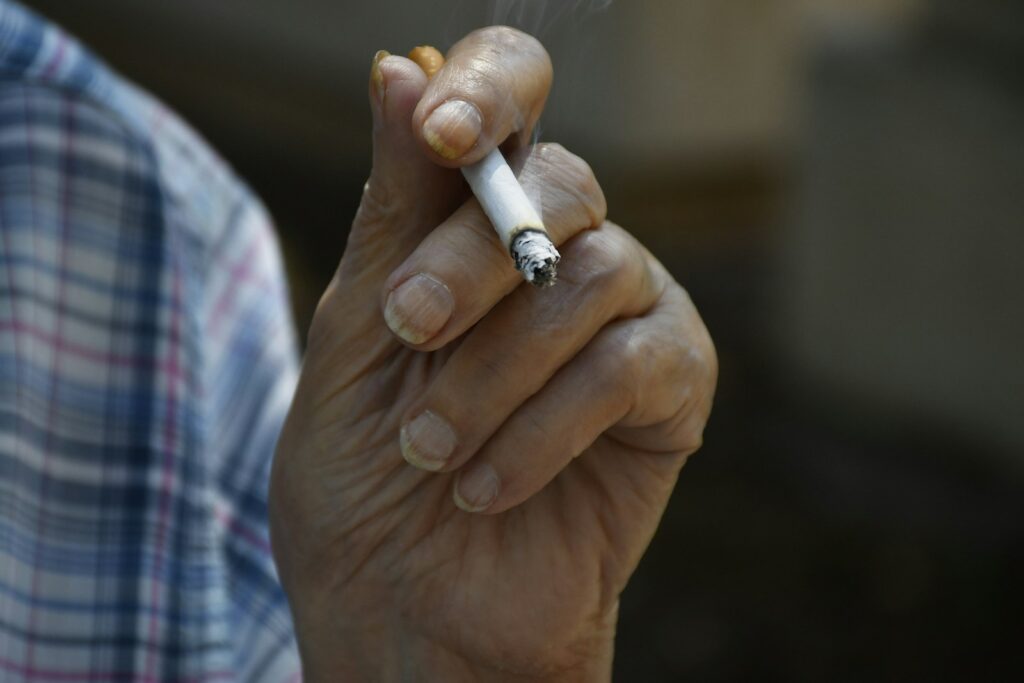
Quick answer. Stopping smoking is the single most important and effective thing you can do for COPD – it is the only intervention proven to slow the decline in lung function. Medicines and inhalers ease symptoms; quitting changes the disease’s course. It is never too late, at any stage or age: quitting slows further damage, reduces flare-ups and infections, and improves how you feel. Nicotine dependence is an addiction, not a weakness, and help works – the best approach combines support plus stop-smoking medicines. Relapse is normal; keep trying. In Singapore, the HPB QuitLine (1800-438-2000) and I Quit programme can help. This is general information, not a diagnosis.
Breathless, wheezy, or living with a persistent cough?
Message our care team on WhatsApp. Tell us what’s going on and we’ll help you find the right respiratory physician — free, with no obligation.
Chat with our care team on WhatsAppNot sure who to see? Find the right specialist →
In a medical emergency, or for severe or sudden symptoms such as breathing difficulty, chest pain, fainting or stroke signs, call 995 immediately.
The single most important thing
If there is one message in this whole series, it is this: stopping smoking is the single most important and effective thing a person with COPD can do. It is the only thing proven to slow the decline in lung function – that is, to slow the disease itself. Inhalers and other treatments ease symptoms and reduce flare-ups, which matters enormously, but quitting is what changes COPD’s course. This is not said to pressure or blame you; it is said because it is genuinely powerful, and because help is available and works. If you smoke and have COPD, quitting is the most valuable step you can take.
It is never too late
A common and understandable thought is: “the damage is already done, so what is the point?” The answer is that it is never too late, at any stage or any age. Damage already present may not reverse, but stopping smoking slows further lung-function decline, cuts flare-ups and chest infections, improves your symptoms and breathing, and improves life expectancy. Lung function normally declines gradually with age; in smokers with COPD it declines faster, and quitting brings the rate of decline back closer to the normal age-related rate. Benefits begin within weeks and grow over time. Whatever your stage, quitting still helps – meaningfully.
Quitting without blame
It is worth saying clearly: nicotine dependence is an addiction, not a moral failing or a lack of willpower. Many people carry guilt about smoking, especially after a COPD diagnosis, but shame does not help anyone quit – support and the right tools do. This guide, and the help available, come without judgement. If you have smoked for years, that does not mean you cannot stop; people do, at every age and stage, often after several attempts. Approaching quitting with self-compassion, and treating it as a health goal you are supported in rather than a test of character, makes success more likely.
What works best
The most effective approach is a combination: stop-smoking support or counselling plus stop-smoking medicines. Support and behavioural help, combined with medicine, make you far more likely to stop for good than willpower alone. The medicines, described by type, include nicotine replacement therapy – patches, gum, lozenges, inhalators and sprays, and a longer-acting form can be combined with a fast-acting one – and prescription stop-smoking tablets, whose suitability your GP or respiratory team decides. This guide gives no drug names or doses. The site’s general how-to-quit-smoking and nicotine-replacement-therapy guides cover the detail; here the message is that combining support and medicine works.
Relapse is part of the journey
An important and reassuring point: relapse is normal, and it is not failure. Most people who quit for good made several attempts first, and each attempt teaches you something – what triggers you, what helps, what to do differently. So if you have tried before and gone back to smoking, that does not mean you cannot do it; it means you are on the path. The key is to keep trying, and to use support and medicine to make the next attempt more likely to succeed. Treating a slip as a lesson rather than a defeat is one of the most useful mindsets for quitting.
Protecting others, and vaping
Quitting brings a double benefit: it also protects your family and household from second-hand smoke, and household smoke can worsen your own COPD. On vaping (e-cigarettes), the balanced position is that it is sometimes used as a quitting aid and is far less harmful than smoking, but it is not risk-free and is not right for everyone. Rather than recommending or condemning it, the sensible advice is to discuss it with your GP, respiratory team or a stop-smoking service, who can advise what is best for you; the site’s vaping guide covers this in more depth. The goal throughout is to stop smoking, using whatever support helps you get there.
Getting help in Singapore
Singapore has good, free support. The Health Promotion Board QuitLine (1800-438-2000) and the I Quit programme offer coaching and support to help you stop. Pharmacists can advise on and supply nicotine replacement therapy, and your GP or respiratory team can discuss prescription options and fit quitting into your COPD care, including pulmonary rehabilitation. Combining one of these support routes with a stop-smoking medicine gives you the best chance. You do not have to do it alone – reaching out for help is a practical step that genuinely improves your odds of stopping for good.
The takeaway
To sum up: stopping smoking is the most valuable thing you can do for your COPD, it is never too late, and it changes the course of the disease in a way medicines cannot. It is an addiction, not a failing, and support without judgement is available. The most effective route is support plus stop-smoking medicine, relapse is a normal part of the journey, and each attempt brings you closer. In Singapore, start with the HPB QuitLine (1800-438-2000), I Quit, a pharmacist, or your team. Whatever your stage of COPD, quitting is worth it – and help is a phone call away.
Related COPD topics
- Living with COPD
- Understanding symptoms & diagnosis
- Inhalers & medication
- Managing breathlessness
- Recognising a flare-up
- Staying active
- COPD & mental health
- Eating well
- Work, travel & daily life
- COPD overview
- Pulmonary rehabilitation
- Living with home oxygen
- Respiratory physicians in Singapore
Sources
- NHS – Quit smoking: nhs.uk
- NHS – Stop smoking services help you quit: nhs.uk
- NHS – Using e-cigarettes to stop smoking: nhs.uk
- NHS – COPD treatment: nhs.uk