
Quick answer. Anxiety and depression are common in COPD – understandable responses to breathlessness, uncertainty and doing less – and they are treatable. A key pattern is the breathlessness-anxiety-panic cycle: breathlessness causes fear, fear speeds and shallows breathing, which worsens breathlessness. Breathing techniques, positions of ease and a handheld fan break it. Panic and a flare-up can feel similar – if calming techniques settle it, it was likely anxiety; if there are blue lips, confusion, chest pain, or you cannot speak, treat it as a possible flare and call 995. If you feel unable to cope: SOS 1767, mindline.sg 1771, or 995. This is general information, not a diagnosis.
Breathless, wheezy, or living with a persistent cough?
Message our care team on WhatsApp. Tell us what’s going on and we’ll help you find the right respiratory physician — free, with no obligation.
Chat with our care team on WhatsAppNot sure who to see? Find the right specialist →
In a medical emergency, or for severe or sudden symptoms such as breathing difficulty, chest pain, fainting or stroke signs, call 995 immediately.
The emotional side of COPD
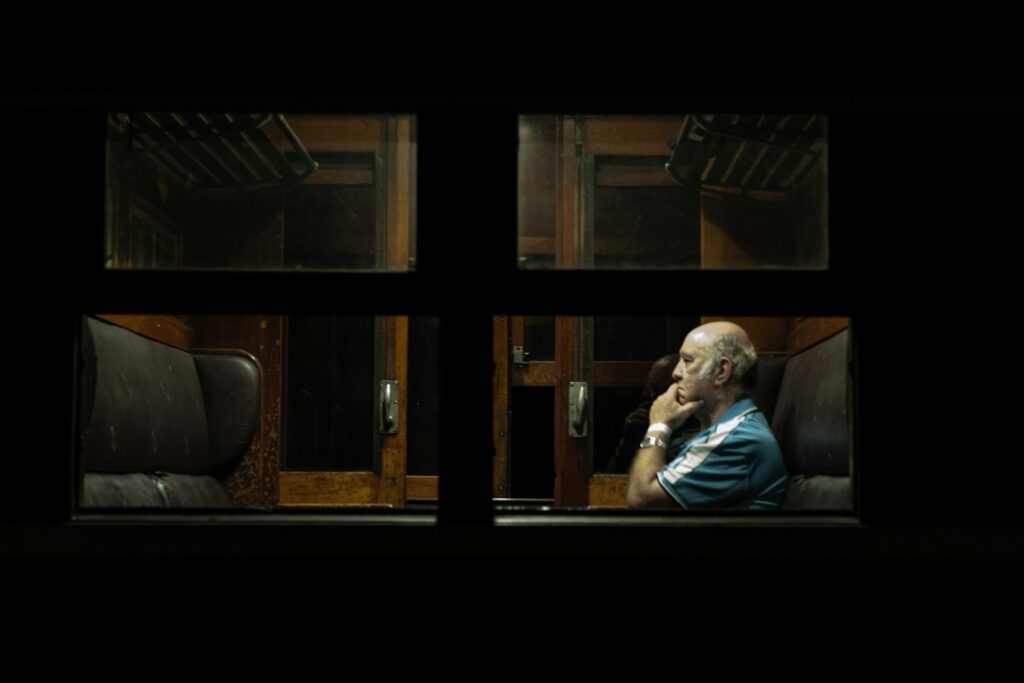
Living with COPD is hard emotionally as well as physically. Breathlessness, shrinking activity, uncertainty about the future and social isolation all take a toll, and anxiety and depression are more common in people with COPD than in the general population. This is an understandable response to a demanding condition, not a personal failing or weakness – and, importantly, both are treatable. Recognising low mood and anxiety as common and treatable, rather than something to simply endure, is the first step to getting help. Looking after your mental health is a genuine part of managing COPD, not separate from it.
The breathlessness-anxiety-panic cycle
The most important thing to understand is the breathlessness-anxiety-panic cycle. Feeling breathless triggers fear or panic; the fear makes you breathe faster and more shallowly; and that shallow, fast breathing worsens the breathlessness – which fuels more fear. It is a self-feeding loop, and it can be broken and calmed. The tools are the same breathing techniques used to manage breathlessness: pursed-lip breathing, breathing control, a position of ease, relaxation, and a handheld fan to the face, along with reminding yourself that the feeling will pass. Practising these when calm means they are ready when panic strikes. Pulmonary rehabilitation teaches them all.
Telling panic from a flare-up
Because severe anxiety and a COPD flare-up can feel very similar – breathlessness, chest tightness, a racing heart – it is worth knowing how to respond. As a guide: if your usual calming and breathing techniques settle it, it was most likely anxiety. But if breathlessness stays severe, or you notice blue or grey lips, confusion or drowsiness, chest pain, or you cannot speak in full sentences, treat it as a possible flare-up or emergency and call 995 – do not wait. When in doubt, treat it as physical. This is not about ignoring anxiety, but about making sure a genuine flare is never mistaken for “just panic.”
Why low mood matters medically
Depression in COPD is not only an emotional issue – it matters medically too. Low mood saps the motivation for the daily self-care that COPD relies on: using inhalers as prescribed, staying active, keeping appointments, and stopping smoking. So treating depression supports the physical condition, not just how you feel. There is also a two-way link with isolation: breathlessness limits going out and socialising, and withdrawal deepens low mood, which makes you less likely to go out. Staying connected – even small, paced outings – is protective. Addressing mood, then, is part of managing the COPD itself.
What helps
Several things help. Pulmonary rehabilitation improves not just breathlessness and fitness but mood, confidence and the fear of activity – the single most useful package. Talking therapies such as counselling or cognitive behavioural therapy help with anxiety and low mood, and are particularly useful for the fear and panic patterns COPD sets up; a GP can refer you. Peer and social support – talking with others who have COPD, and keeping up contact with family and friends – counters isolation. And treating the COPD well, so flare-ups are fewer, reduces some of the fear. Gentle routine, activity within limits, and not facing it alone all support your mood.
If you are struggling – reach out now
If you ever have thoughts of harming yourself, feel hopeless, or feel unable to cope, please reach out straight away – you deserve support and do not have to face this alone. In Singapore, the Samaritans of Singapore (SOS) are on 1767 and mindline.sg is on 1771, both around the clock. In an emergency or immediate danger to life, call 995. For ongoing specialist mental-health care, speak to your doctor or the Institute of Mental Health (IMH), and hospital medical social workers and psychologists can help too. Reaching out is a normal, encouraged step – not a last resort – and effective support exists.
Getting support in Singapore
Your GP or polyclinic, or your respiratory physician, is a good first point of contact and can refer you for both pulmonary rehabilitation and mental-health support. Ask specifically about pulmonary rehab, run by hospital respiratory and physiotherapy teams, as it helps mood as well as breathing. The Institute of Mental Health provides specialist care, and community counselling services can help. Combining care for your COPD, treatment for your mood, and the understanding of others who live with the condition addresses both sides of living with COPD. Persistent low mood or anxiety is common and treatable – it is well worth raising with your team.
Related COPD topics
- Living with COPD
- Understanding symptoms & diagnosis
- Inhalers & medication
- Managing breathlessness
- Recognising a flare-up
- Staying active
- Eating well
- Stopping smoking with COPD
- Work, travel & daily life
- COPD overview
- Pulmonary rehabilitation
- Living with home oxygen
- Respiratory physicians in Singapore
Sources
- NHS – Living with COPD: nhs.uk
- NHS – Generalised anxiety disorder: nhs.uk
- NHS – Depression in adults: nhs.uk
- Samaritans of Singapore (SOS) – 1767: sos.org.sg
- mindline.sg – 1771: mindline.sg