
Many stomas are temporary. A temporary stoma is often made to divert stool away from a fresh join in the bowel so it can heal, or after emergency surgery — commonly a loop ileostomy or loop colostomy. Once the bowel has healed, and any further treatment is complete, the stoma can be reversed: the surgeon closes the stoma and rejoins the bowel so that stool passes the normal way again. This guide sets honest, reassuring expectations — reversal is real and common, but not everyone is suitable, timing varies widely, and bowel habits can take time to settle afterwards.
Worried about bowel changes, bleeding or bowel-cancer risk?
Message our care team on WhatsApp. Tell us what’s going on and we’ll help you find the right colorectal surgeon — free, with no obligation.
Chat with our care team on WhatsAppNot sure who to see? Find the right specialist →
In a medical emergency, or for severe or sudden symptoms such as breathing difficulty, chest pain, fainting or stroke signs, call 995 immediately.
This is general information; whether and when you can have a reversal is a decision made with your surgical team, and this guide gives no fixed timings or rates. After a reversal, seek urgent help — call 995 — for signs of a bowel obstruction (no stool or wind passed, a bloated painful tummy and vomiting), a spreading wound infection with fever, or severe dehydration from frequent loose stools.
Temporary versus permanent stomas
Not every stoma can be reversed. A loop ileostomy is usually temporary, an end stoma may be temporary or permanent, and some stomas are permanent by design or because reversal would not be safe. It is an honest starting point that reversal is common but not universal, and that suitability depends on your particular surgery and health. If you are not sure which applies to you, ask your surgeon directly whether your stoma is intended to be reversed.
Why a temporary stoma was made
A temporary stoma is usually created to rest and protect a fresh join in the bowel, keeping the contents of the gut away from a delicate healing section, or to manage things safely after emergency surgery. Understanding this helps make sense of the reversal: once that join has healed and is shown to be sound, the diversion is no longer needed, and the bowel can be reconnected. The temporary stoma has done its job of protecting the healing bowel in the meantime.
Whether and when reversal happens
The timing of a reversal is very individual. It depends on how well you have healed, your general fitness for another operation, and whether you need any further treatment such as chemotherapy first. As a general guide, a reversal is not done until at least several weeks after the original surgery, but in practice it can be many months away, and it is decided case by case. Rather than expecting a fixed date, take the timing from your surgical team, who weigh all of these factors for you.
Deciding — it is your choice
Reversal is a personal decision, and some people, having adjusted to life with a stoma, choose not to go ahead — that is a legitimate choice. Before a reversal, the team may run checks, such as imaging or a scope, to confirm the bowel join has healed well. Take the time you need to weigh it up, ask what recovery and bowel function are likely to be like for you, and remember that choosing to keep a well-functioning stoma is a valid option, not a failure.
The operation and recovery
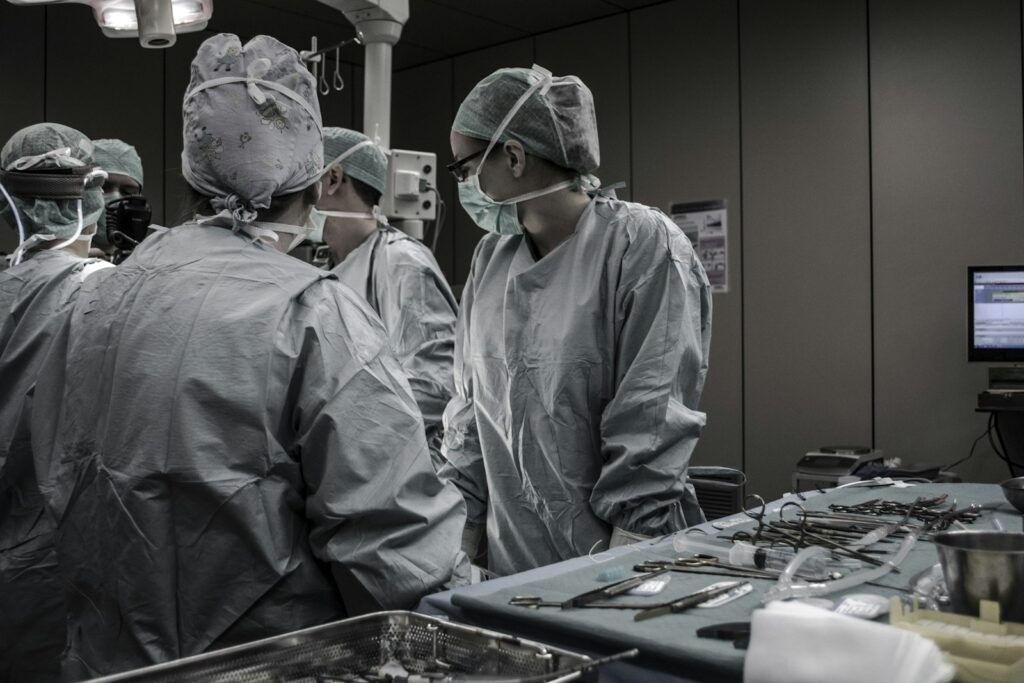
In a reversal, the surgeon closes the stoma opening and rejoins the bowel so that stool passes normally again; occasionally more than one operation is involved, and a scar remains where the stoma was. Recovery follows the general pattern of bowel surgery, with a gradual return to activity over a number of weeks and often a temporary lower-fibre diet while things heal. Your team explains the specifics for your operation, and your stoma nurse continues to support you, including with any skin soreness afterwards.
What bowel function can be like afterwards
It is important to expect that bowel function takes time to settle after a reversal, rather than returning to normal overnight. Many people go through a phase of more frequent stools, urgency, wind and soreness around the back passage, which usually improves over weeks to months as the bowel adapts. Gentle skin care with barrier creams, staying hydrated, and reintroducing foods gradually all help during this period, and it is worth being patient with your body as it readjusts.
Bowel control, LARS and the bottom line
After surgery on the lower rectum in particular, some people experience a set of bowel-control problems that the surgical team may call low anterior resection syndrome, or LARS — including urgency, frequency and clustering of bowel motions. This is usually managed, with time, through diet, pelvic-floor exercises and support from your team, and pelvic-floor physiotherapy and dietitian input are available through hospitals to help. Ask your team whether this is relevant to your operation and what support is available. In Singapore, your reversal is planned by the colorectal or general surgery team, your stoma nurse supports you before and after, and the medical social worker can advise on the admission and any assistance. Seek urgent care for the red flags above, and call 995 in an emergency. The reassuring bottom line is that a stoma reversal returns many people to normal bowel function — give it time to settle, use the support available, and keep your team informed if things are not improving.
Related stoma topics
- Living with a stoma
- Caring for your stoma
- Colostomy: what to expect
- Ileostomy: what to expect
- Urostomy: what to expect
- Stoma diet & nutrition
- Managing stoma problems
- Emotional wellbeing with a stoma
- Work, travel & exercise with a stoma
- Colorectal surgeons in Singapore
- Gastroenterologists in Singapore
Sources
- Colostomy UK — Stoma reversal: colostomyuk.org
- NHS — Ileostomy (how it is done, including reversal): nhs.uk
- Macmillan Cancer Support — What is a stoma: macmillan.org.uk