
Quick answer: A sentinel lymph node biopsy is a procedure that finds and removes the first lymph node (or nodes) that cancer would be most likely to spread to — the “sentinel” node — and checks it for cancer cells. It is commonly used in breast cancer and melanoma. A harmless tracer and/or blue dye is used to map the node, which is removed through a small cut, usually under anaesthetic. The result helps your team decide whether further treatment is needed, while sparing you the side effects of removing all the nodes.
Not sure which specialist you need?
Message our care team on WhatsApp. Tell us what’s going on and we’ll help you find the right specialist — free, with no obligation.
Chat with our care team on WhatsAppNot sure who to see? Find the right specialist →
In a medical emergency, or for severe or sudden symptoms such as breathing difficulty, chest pain, fainting or stroke signs, call 995 immediately.
If you have been diagnosed with breast cancer or melanoma, your surgeon may recommend a sentinel lymph node biopsy to check whether the cancer has begun to spread. It is a well-established technique used in cancer centres across Singapore, including at the National Cancer Centre Singapore (NCCS) and NUH. This guide explains what the procedure involves, what to expect afterwards, and what your results may mean.
What it is
Lymph nodes are small glands that form part of the body’s drainage and immune system. When a cancer spreads, it often travels first to the nearest lymph nodes. The “sentinel” node is the first node (or small group of nodes) that fluid — and therefore any cancer cells — would drain into from the tumour. A sentinel lymph node biopsy locates that node, removes it, and examines it under a microscope for cancer cells. It is most commonly performed for breast cancer and for melanoma (a type of skin cancer), where knowing whether the sentinel node is involved gives important information about the disease.
Why it’s done
The main purpose is to find out whether cancer has spread to the lymph nodes without having to remove all of them. In the past, many nodes were taken out to check for spread, which carried a higher risk of long-term side effects such as arm swelling. By identifying and testing only the sentinel node, your surgeon can gain the same key information while removing far fewer nodes. This helps your cancer team decide on the most appropriate treatment and reduces the chance of complications when the nodes are in fact clear.
How it’s done — finding the node
To map the sentinel node, a small amount of a harmless radioactive tracer and/or a blue dye is injected near the tumour or the surrounding area. The tracer and dye travel along the same drainage pathway that cancer cells would follow, collecting in the sentinel node. The surgeon uses a special hand-held probe to detect the tracer and looks for the blue staining, which together pinpoint the node. Sometimes more than one sentinel node is identified, and each is removed for testing. The tracer is used in very small quantities and is considered safe.
What happens during the procedure
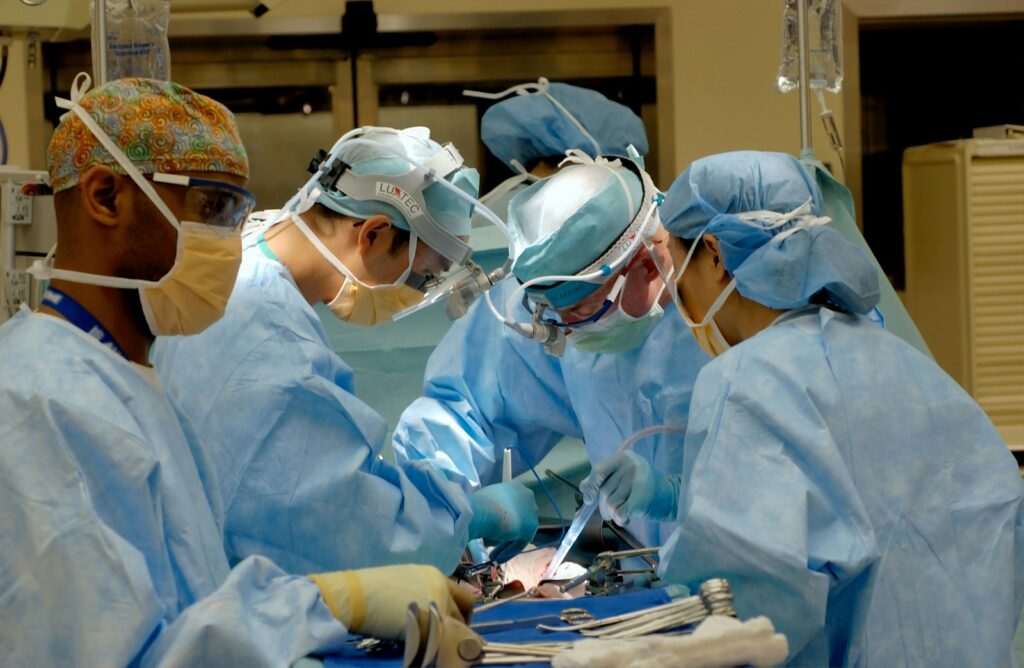
The biopsy is usually carried out under general anaesthetic, so you are asleep and feel nothing. It is often done at the same time as the operation to remove the tumour, such as breast-conserving surgery or removal of a melanoma, meaning only one anaesthetic and one recovery. The surgeon makes a small cut over the sentinel node, removes it, and sends it to the laboratory. The wound is closed with stitches, and the whole step usually adds only a short time to the main operation.
After the procedure
You may go home the same day or after a short stay, depending on the main surgery. You will be given advice on caring for your wound, keeping it clean and dry, and when any stitches or dressings need attention. If blue dye was used, it can temporarily colour your skin near the injection site and give your urine a greenish or blue tinge for a day or two — this is expected and harmless. Results from the laboratory usually take a little time, and your team will arrange a follow-up appointment to discuss them.
What the results mean
If the sentinel node is clear, it suggests the cancer has not spread to the lymph nodes, and no further node surgery is usually needed. If cancer cells are found, it means some spread has occurred, and your team will discuss what this means for you. Depending on your situation, further treatment may be recommended — this could include removing more lymph nodes, radiotherapy to the area, or other therapies such as medicines that treat the whole body. Your surgeon and oncologist will explain the options and tailor the plan to your individual circumstances.
Risks
A sentinel lymph node biopsy is generally a low-risk procedure, and any problems are usually minor. These can include bruising, temporary discomfort, a wound infection, or a build-up of fluid under the skin near the wound (a seroma). Because far fewer nodes are removed than in a full clearance, the risk of long-term arm swelling (lymphoedema) is much smaller, though not zero. Rarely, some people have a reaction to the blue dye. Your surgeon will talk through the risks that apply to you before you agree to the procedure.
Self-care
Follow the wound-care instructions your team gives you and keep the area clean and dry. Take any pain relief as advised, and ease back into your usual activities gradually rather than straining the affected side too soon. Gentle movement of the arm or affected limb, as recommended by your care team or physiotherapist, can help keep it supple. Attend your follow-up appointments so your results can be discussed and any concerns addressed. If you feel anxious while waiting for results, it can help to lean on family, friends, or a counsellor.
When to seek help
Contact your surgical team or GP if you notice signs of a wound infection, such as increasing pain, spreading redness, warmth, pus or discharge, or a fever. Also seek advice if you develop new or worsening swelling in the arm or affected limb, as this should be assessed. If you feel severely unwell, are struggling to breathe, or have a serious allergic reaction, go to the nearest Accident & Emergency department or call 995 straight away.
Common questions
Is the tracer safe?
Yes. The radioactive tracer is used in a very small amount and is considered safe for this purpose. The dose is low and it clears from the body naturally. If you are or might be pregnant, tell your team beforehand so they can advise you.
Will the blue dye stain my skin permanently?
No. If blue dye is used, it may temporarily tint the skin near the injection site and give your urine a greenish or blue colour for a day or two. This fades on its own and is nothing to worry about.
Does the procedure hurt?
Because it is usually done under general anaesthetic, you feel nothing during the biopsy itself. Afterwards you may have some soreness or bruising around the wound, which can be managed with simple pain relief and settles over time.
Will I definitely avoid having more lymph nodes removed?
Not always. If the sentinel node is clear, you usually avoid further node surgery. If cancer cells are found, your team may recommend additional treatment, which could include removing more nodes, radiotherapy or other therapies. They will discuss the best option for you.
How long until I get my results?
The node is examined in the laboratory, which takes a little time. Your surgeon or oncologist will arrange a follow-up appointment to explain what the results mean and the next steps in your care.
Related guides
Sources
- National Cancer Centre Singapore
- HealthHub
- Cancer Research UK
- NHS
Important: This guide is for general information and does not replace advice from your own doctor. Always follow the guidance of your surgeon and cancer team, who know your individual circumstances. If you feel severely unwell or have a medical emergency, go to your nearest A&E or call 995.