
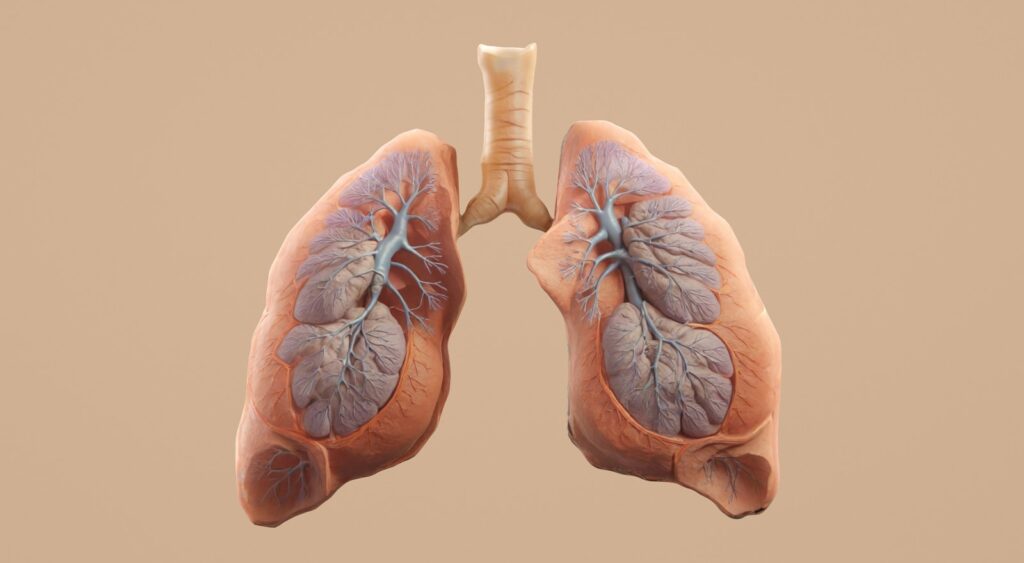
Quick answer. Pulmonary hypertension (PH) is raised blood pressure in the arteries that carry blood from the heart through the lungs – different from ordinary (systemic) high blood pressure. The higher pressure forces the right side of the heart to work harder, and over time this can strain and weaken it, leading to right heart failure. There are several groups/causes, including idiopathic pulmonary arterial hypertension (PAH), PH due to left heart disease, PH due to lung disease or low oxygen, and PH from chronic blood clots. Symptoms – breathlessness on exertion, fatigue, dizziness or fainting, chest pain, swollen ankles and palpitations – come on gradually and are non-specific, so diagnosis is often delayed. It is a serious, specialist-managed condition.
Chest pain, palpitations or breathlessness on your mind?
Message our care team on WhatsApp. Tell us what’s going on and we’ll help you find the right cardiologist — free, with no obligation.
Chat with our care team on WhatsAppNot sure who to see? Find the right specialist →
In a medical emergency, or for severe or sudden symptoms such as breathing difficulty, chest pain, fainting or stroke signs, call 995 immediately.
Pulmonary hypertension is easy to mistake for being unfit or for asthma, because its main symptom is gradual breathlessness. Recognising the pattern and getting the right tests is what leads to diagnosis and treatment.
What it is
In PH, the blood pressure inside the pulmonary arteries (the vessels that carry blood from the heart to the lungs to pick up oxygen) is abnormally high. Normally these vessels are a low-pressure system, quite different from the high-pressure circulation that supplies the rest of the body. When the pressure in them rises, the right ventricle – the lower right pumping chamber – has to work far harder to push blood through the lungs.
At first the right ventricle copes by thickening its muscular wall. Over time, however, the sustained load causes it to enlarge, stiffen and lose strength. Eventually it may struggle to keep up, which leads to right heart failure, with fluid backing up into the legs, abdomen and other tissues. This is why PH is regarded as a serious, long-term condition that needs specialist care rather than something that can simply be watched. Importantly, PH is distinct from ordinary high blood pressure (the arm-cuff reading your GP checks), and someone can have normal body blood pressure yet still have raised pressure in the lungs.
Symptoms
The most common early symptom is breathlessness. At first this appears only with exertion – climbing stairs, walking uphill or hurrying – but as the condition progresses it can come on with less and less effort, and eventually even at rest. Other symptoms include:
- Tiredness and a general loss of energy or stamina.
- Dizziness, light-headedness or fainting, especially during or just after activity.
- Chest tightness or discomfort, often felt on exertion.
- A racing or pounding heartbeat (palpitations).
- Swelling of the ankles, legs and tummy as fluid builds up – usually a later sign of right heart strain.
These symptoms are non-specific and overlap with many everyday heart and lung problems, so they are easily put down to ageing, being unfit, asthma or anxiety. That is a key reason diagnosis is frequently delayed, and why persistent, unexplained breathlessness deserves proper assessment rather than reassurance alone.
Causes and types
Doctors group PH by its underlying cause, because the group guides treatment. In plain terms, the main categories are:
- A disease of the lung arteries themselves – pulmonary arterial hypertension (PAH). This is relatively rare. It includes idiopathic PAH (no identifiable cause) and PAH linked to other conditions such as connective-tissue diseases, congenital heart problems or liver disease.
- PH due to left heart conditions – where problems on the left side of the heart, such as valve disease or a weakened or stiff left ventricle, raise pressure that passes back into the lungs. This is one of the most common forms.
- PH due to lung disease or low oxygen – long-standing conditions such as chronic obstructive pulmonary disease (COPD), lung scarring (fibrosis), or persistently low oxygen levels.
- PH due to blood clots in the lungs – chronic thromboembolic pulmonary hypertension (CTEPH), where old clots do not fully clear and instead narrow and block the lung arteries.
- Other or mixed causes – a further group covering less common and multifactorial conditions.
Identifying which group a person falls into is essential, because a treatment that helps one type may be unhelpful, or even harmful, in another.
Who is at risk
Risk varies with the type of PH. Some forms are linked to connective-tissue diseases (such as scleroderma or lupus), congenital heart disease, or liver disease. CTEPH is associated with a history of blood clots in the lungs. PH from lung disease is more likely in people with long-standing conditions such as COPD or lung fibrosis, while PH from left heart disease reflects underlying heart problems. Certain rarer forms can run in families or be linked to particular medicines. Because the associations differ by group, part of the specialist assessment is looking for these related conditions.
How it is diagnosed
Because the symptoms are vague, diagnosis relies on a sequence of tests. An echocardiogram (an ultrasound scan of the heart) is a key first test: it can estimate the pressure in the lung arteries and show how the right side of the heart is coping. Alongside it, doctors typically arrange:
- An ECG (heart tracing) and chest imaging.
- Lung function tests and blood oxygen measurement.
- A ventilation–perfusion (V/Q) scan to look for chronic blood clots in the lungs.
- Blood tests to search for associated conditions, and a walking test to gauge how far exercise is limited.
To confirm the diagnosis and measure the pressure directly, a specialist may perform a right heart catheter test. In this procedure a thin tube is passed through a vein to the right side of the heart and into the lung arteries to record the actual pressures. It is the definitive test and also helps determine the type and severity of PH, which shapes the treatment plan.
Treatment
Treatment depends on the type of PH, and wherever possible it starts by treating the underlying cause – for example, managing left heart disease, treating a lung condition, or addressing low oxygen. For certain groups, particularly PAH, there are specialised medicines that relax and open the lung arteries to lower the pressure and ease the load on the heart. These are prescribed and monitored by specialist centres.
Supportive treatments are often added, such as oxygen where blood oxygen is low, water tablets (diuretics) to relieve fluid build-up and swelling, and clot-prevention (anticoagulation) where it is appropriate. Some forms have targeted options – for example, certain chronic blood clots may be treatable with a specific procedure. The most severe cases are managed at specialist centres, where advanced options may be considered. In Singapore, care is led by a cardiologist or respiratory physician, and dedicated pulmonary hypertension services are provided at tertiary heart centres such as the National Heart Centre. Importantly, PH medicines should never be stopped or changed without specialist advice, as stopping them abruptly can be dangerous.
Living with pulmonary hypertension
PH is a long-term condition, and day-to-day self-care works alongside specialist treatment:
- Stay active within advised limits. Gentle, regular activity is usually encouraged, but the level should be guided by your specialist – avoid pushing to the point of severe breathlessness, dizziness or chest pain.
- Keep up with vaccinations (such as seasonal influenza and pneumococcal), since chest infections can worsen breathlessness.
- Avoid things that make it worse, including smoking; discuss any new medicines, including over-the-counter and herbal products, with your team, as some can interact.
- Seek advice about pregnancy. Pregnancy can be high-risk in PH, so women should discuss contraception and any pregnancy plans with their specialist in advance.
- Attend regular specialist review so treatment can be adjusted as the condition changes, and look after related conditions and mental wellbeing.
Reliable, plain-language information is available through HealthHub and your specialist centre.
When to see a doctor
See a doctor for persistent, unexplained breathlessness, fatigue, dizziness or fainting, particularly if these are getting worse or limiting what you can do – early assessment matters because diagnosis is often delayed.
If you already have PH, contact your specialist team promptly if your breathlessness worsens, your swelling increases, or you gain fluid weight quickly. Seek urgent care for fainting or blackouts, breathlessness that is worsening at rest, chest pain, or a bluish tinge to the lips. Call 995 for severe breathlessness, chest pain or collapse.
Related heart conditions & procedures
- Aortic stenosis (narrowed valve)
- Heart valve replacement & TAVI
- Aortic dissection
- Carotid artery disease
- Heart block & slow heart rate
- Infective endocarditis
- Rheumatic heart disease
- Heart bypass surgery (CABG)
- Cardiac catheterisation & angiogram
- Heart valve disease
- Coronary artery disease & angina
- Cardiologists in Singapore
Sources
- National University Heart Centre, Singapore (NUHCS) — pulmonary arterial hypertension (definition; progression to right heart failure; right heart catheterisation as the definitive test; PAH medicines; oxygen and diuretics; specialist-managed).
- NHS — pulmonary hypertension (right-heart strain; symptoms; cause-based types; delayed diagnosis; echocardiogram + right heart catheterisation).
- WHO / World Symposium on Pulmonary Hypertension — the group-based cause classification; Singapore Medical Journal — chronic thromboembolic PH (CTEPH).