
Quick answer. Cholesterol is a waxy fat in your blood – you need some, but too much LDL (“bad”) cholesterol builds up in artery walls and raises your risk of heart attack and stroke, while HDL (“good”) cholesterol is protective. High cholesterol usually causes no symptoms, so a blood test is the only way to know your numbers. Most people can lower LDL through diet and lifestyle – cutting saturated and trans fats, eating more soluble fibre and oily fish, exercising, losing excess weight and quitting smoking. If your doctor prescribes a statin, take it as directed and never stop on your own.
Like high blood pressure, high cholesterol does its damage quietly over years. The encouraging part is that diet and lifestyle move the numbers meaningfully, and where medication is needed it’s highly effective.
What the numbers mean
LDL carries cholesterol into your artery walls, where it forms plaque; HDL carries excess cholesterol back to the liver to be removed. Triglycerides are another blood fat, made from excess calories, that add to risk when high. A simple lipid blood test reports all of these.
Why high LDL is dangerous – and silent
Cholesterol-laden plaque narrows and stiffens arteries. When a plaque ruptures, it can suddenly block an artery and cause a heart attack or stroke. Because high cholesterol produces no symptoms, the damage accumulates unnoticed – which is why screening matters, especially with a family history or other risk factors.
Your target depends on your risk
There is no single “right” number for everyone. A general aim for LDL is below about 2.6 mmol/L, but people who already have heart disease, diabetes or high blood pressure need lower, stricter targets, while others may have a higher acceptable level. Your doctor sets your personal target based on your overall cardiovascular risk.
Diet changes that lower LDL
- Cut saturated fat – fatty and processed meats, deep-fried food, coconut-milk- and palm-oil-heavy dishes, full-fat dairy, butter and ghee – and avoid trans fats.
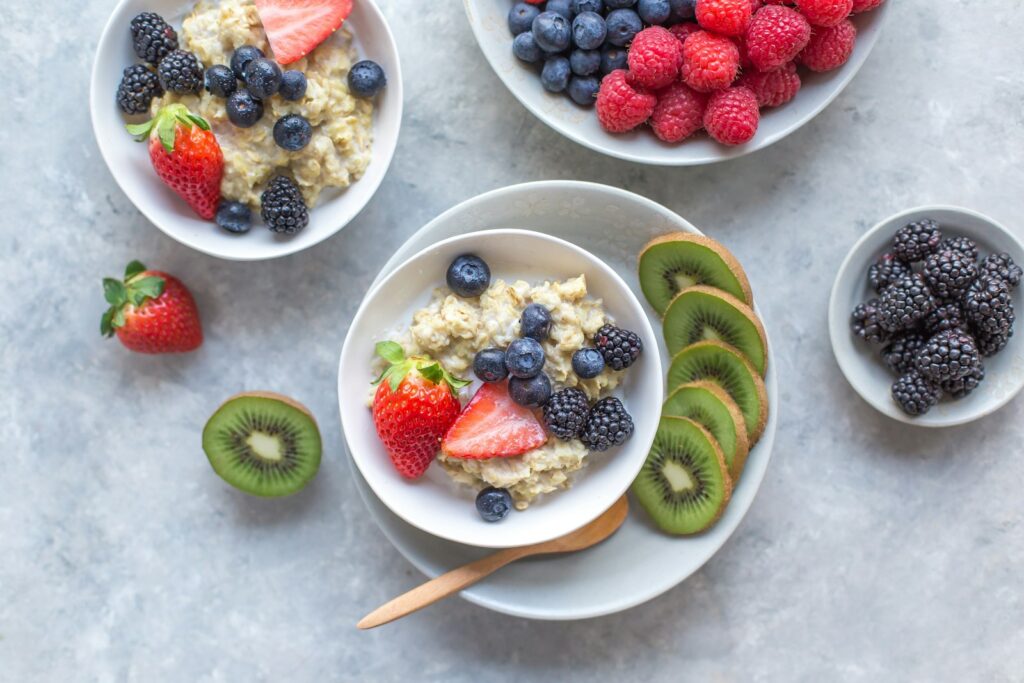
- Add soluble fibre – oats, beans and legumes, and plenty of fruit and vegetables.
- Choose oily fish and replace saturated fats with unsaturated oils (canola, olive, peanut) and nuts.
See healthy eating for how this fits into a balanced plate.
Other lifestyle levers
Losing excess weight, regular exercise, and quitting smoking all improve your lipid profile – exercise and stopping smoking raise protective HDL. Keep alcohol within lower-risk limits.
Medication
If lifestyle change isn’t enough, or your risk is high, a doctor may prescribe a statin (or other lipid-lowering medicine). These are well-studied and effective, and are monitored for uncommon side effects like muscle aches. Take them consistently and don’t stop on your own, as cholesterol will rebound.
Eating well at the hawker centre
Choose steamed or soup dishes over deep-fried; ask for less oil and gravy; pick fish or skinless chicken over char siew, fatty pork or offal; go for wholegrain options; and share or skip the coconut-milk-rich lemak and laksa broths. Swap sugary drinks for water or a kosong option.
Related healthy-living guides
- Sleep hygiene: how to sleep better
- How much exercise you need
- Healthy eating: a balanced diet
- Staying hydrated
- How to quit smoking
- Alcohol and your health
- Managing stress
- How to lower your blood pressure
- Healthy weight & BMI
- Preventing type 2 diabetes
- Health screening packages
Sources
- SingHealth, Singapore — high blood cholesterol / hyperlipidaemia (LDL/HDL/triglyceride roles; risk-dependent targets; symptomless nature; lifestyle and statins).
- Singapore Heart Foundation — cholesterol levels and management (healthy-level guidance; lifestyle steps).
- HealthHub (HPB) — healthy eating and fats guidance (saturated/unsaturated fats; soluble fibre).