
Quick answer. A spinal cord injury disrupts the messages between the brain and the body below the level of injury, affecting movement, sensation and the workings of organs such as the bladder and bowel. The effects vary enormously depending on the level and completeness of the injury, so no two are the same. It is a lifelong condition, but with rehabilitation, the right equipment and good support, many people go on to live full, active and independent lives. A multidisciplinary team looks after you, and Singapore has specialist rehabilitation and disability support. One vital thing to learn early: autonomic dysreflexia is a medical emergency for those with higher-level injuries.
Recovering from injury, pain or surgery and want to move better?
Message our care team on WhatsApp. Tell us what’s going on and we’ll help you find the right physiotherapist — free, with no obligation.
Chat with our care team on WhatsAppNot sure who to see? Find the right specialist →
In a medical emergency, or for severe or sudden symptoms such as breathing difficulty, chest pain, fainting or stroke signs, call 995 immediately.
What a spinal cord injury is
The spinal cord carries messages between the brain and the rest of the body. A spinal cord injury is damage to the cord, or to the nerve roots at its base, that disrupts these messages below the level of the injury, causing changes in movement, sensation and the automatic functions of organs. The damage may be from a sudden trauma, such as a road accident or fall, or from a non-traumatic cause such as illness. Depending on where and how severely the cord is affected, some changes may be temporary and others permanent. Understanding this helps you and your family make sense of the wide range of effects.
Full lives are possible
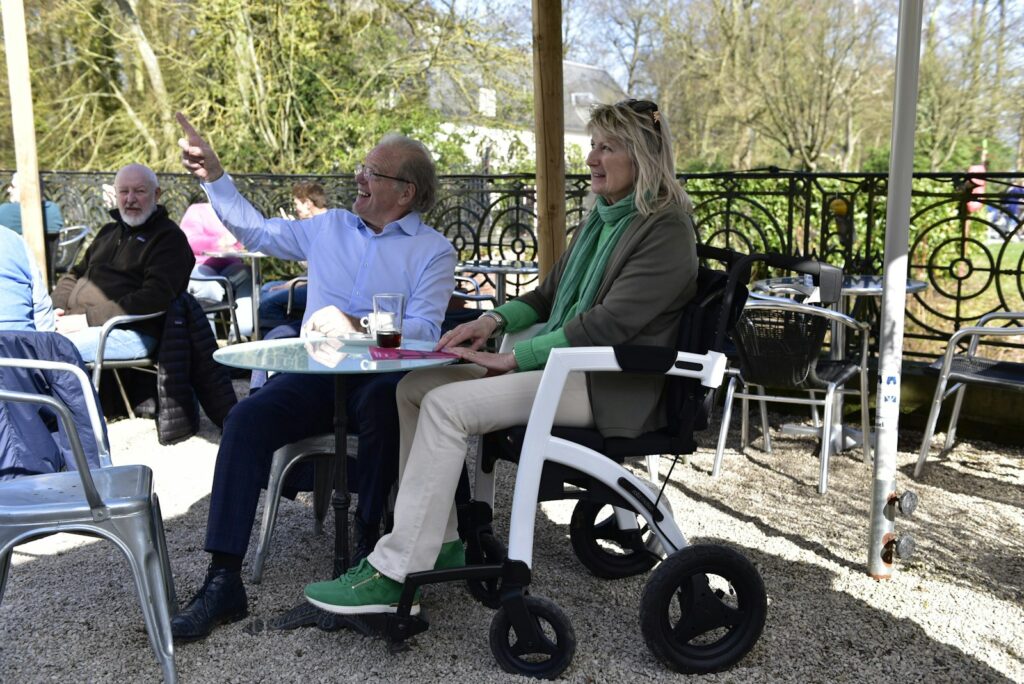
A spinal cord injury is life-changing, but it is important to know from the outset that many people go on to live independent, active and fulfilling lives – working, studying, travelling, parenting and taking part in sport and community life. Rehabilitation, adaptive equipment, home modifications and support all make this possible. The Spinal Injuries Association frames its whole work around life after spinal cord injury, and rehabilitation services aim for the maximum level of independence and a return to community life. Setting realistic hope, rather than either false promises or despair, helps you focus your energy on rebuilding a life that works for you.
The body systems affected
A spinal cord injury affects more than movement, and understanding the systems involved helps you manage your health. Alongside changes in movement and sensation, the bladder and bowel are commonly affected (needing their own management routines), the skin is at higher risk of pressure injuries because of reduced sensation and movement, and higher injuries can weaken breathing and coughing. Blood pressure and temperature control can be affected, and sexual function, mood and pain or spasticity may all be involved. Separate guides in this series cover each of these areas, so you can focus on the ones that affect you most.
Your rehabilitation team
Spinal cord injury care is delivered by a multidisciplinary team and continues for life. It typically centres on a rehabilitation physician, with specialist nurses, physiotherapists and occupational therapists, and draws in urology and continence specialists, a dietitian, a psychologist and a social worker as needed. Rehabilitation may include self-care training, wheelchair and mobility training, gait training where appropriate, personalised bladder and bowel programmes, and caregiver training. In Singapore, the Tan Tock Seng Hospital Rehabilitation Centre is a major provider of spinal cord injury rehabilitation, working alongside the National Neuroscience Institute. This team is your long-term partner in managing your health.
Lifelong health management
Because a spinal cord injury changes how several body systems work, staying well involves ongoing attention to prevent secondary complications. Regular skin checks and pressure relief protect against pressure injuries; a steady bladder and bowel routine keeps those systems healthy and avoids problems; and staying active supports circulation, weight and general health. Regular follow-up with your team lets problems be caught early. Rather than a single recovery period, think of it as building sustainable daily habits that protect your health over the years. Many of these habits become second nature with time, much like any other routine.
Support in Singapore
You do not have to navigate this alone. In Singapore, SPD, formerly the Society for the Physically Disabled, provides rehabilitation, therapy, assistive technology, employment and daily-living support, and the Handicaps Welfare Association offers support services, accessible transport and peer support. SG Enable is the national agency for disability and inclusion and a good first stop for schemes and assistive-technology support, while the Agency for Integrated Care coordinates long-term and community care. These organisations are named here for your reference; contacting them can connect you to practical help, equipment and the reassurance of others who understand.
Peer support and adjustment
Adjusting to a spinal cord injury is a process, and connecting with others who have been through it can be one of the most valuable forms of support. Peer support offers practical tips that only lived experience provides, along with genuine encouragement and the sense that a good life is achievable. Emotional adjustment takes time, and low mood or anxiety are common and treatable, so it is important to look after your mental health as well as your physical health. A separate guide in this series looks at emotional wellbeing and adjustment in more detail, and support is available whenever you need it.
Know the emergency signs
One safety message matters above all for people with higher-level injuries, around the mid-back and above. Autonomic dysreflexia is a sudden, dangerous rise in blood pressure triggered by something the body cannot feel below the injury – most often a full bladder or bowel. Warning signs include a pounding headache, sweating or flushing above the injury and a blocked nose. If it happens, sit upright, loosen tight clothing, and find and remove the trigger; if it does not settle quickly, call 995, as it is a medical emergency. It has its own detailed guide in this series, and everyone at risk should learn to recognise it.
Related spinal cord injury topics
- Understanding spinal cord injury & recovery
- Bladder management
- Bowel management
- Autonomic dysreflexia
- Preventing pressure injuries
- Spasticity & pain
- Wheelchairs, mobility & staying active
- Emotional wellbeing & adjusting
- Caring for someone with a spinal cord injury
- Physiotherapists in Singapore
Sources
- Spinal Injuries Association – Understanding spinal cord injury: spinal.co.uk
- MSKTC – Understanding spinal cord injury: msktc.org
- Spinal Injuries Association – Knowledge Hub: spinal.co.uk