
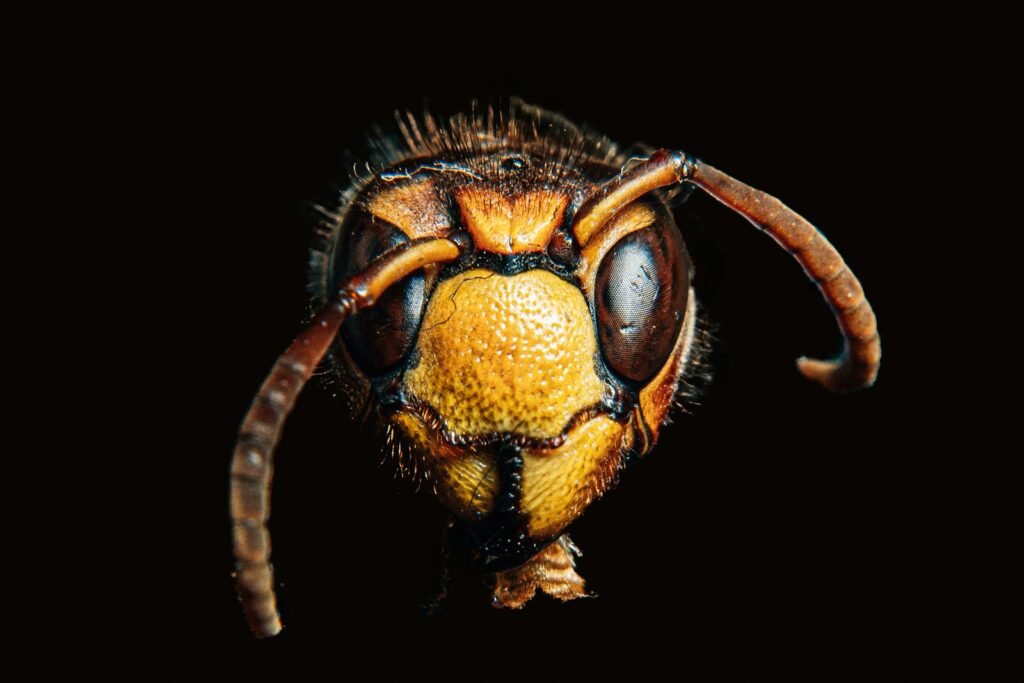
An insect sting allergy is an abnormal immune (IgE-mediated) reaction to venom injected by stinging insects — bees, wasps and hornets, and, in Singapore, fire ants. This is different from insect bites (mosquitoes, bedbugs), which very rarely cause dangerous allergy. Reactions range from a normal local reaction, through a large local reaction, to a systemic allergic reaction or anaphylaxis. Only systemic reactions are true allergy emergencies — and they are the reason to take sting allergy seriously.
Troubled by allergies, sensitivities or recurring reactions?
Message our care team on WhatsApp. Tell us what’s going on and we’ll help you find the right allergist — free, with no obligation.
Chat with our care team on WhatsAppNot sure who to see? Find the right specialist →
In a medical emergency, or for severe or sudden symptoms such as breathing difficulty, chest pain, fainting or stroke signs, call 995 immediately.
Any whole-body reaction after a sting — hives away from the sting, breathing difficulty or faintness — is anaphylaxis until proven otherwise: use an adrenaline auto-injector if you have one and call 995.
Triggers in Singapore
The medically important stinging insects are bees, wasps and hornets, and stinging ants. In Singapore, fire ants are a locally relevant trigger: they grip the skin and pivot to deliver several stings in a ring, producing characteristic sterile pustules at each site. Their venom can cause both the pustules and, in sensitised people, systemic reactions. Risk of a future severe reaction is higher in anyone who has already had a systemic reaction and in those with frequent exposure, such as outdoor and gardening work or beekeeping.
The spectrum of reactions
- Normal local reaction: immediate pain, redness, mild swelling and itch at the site, settling over hours to a couple of days.
- Large local reaction: swelling extending well beyond the sting — a whole forearm, say — sometimes peaking at 24–48 hours. Uncomfortable but usually not dangerous.
- Systemic reaction / anaphylaxis: signs away from the sting site — widespread hives, flushing, swelling of the face, lips, tongue or throat, throat tightness, wheeze or breathlessness, tummy cramps, dizziness, faintness or collapse — developing within minutes. This is the emergency.
Red flags — call 995
Treat any systemic reaction as a life-threatening emergency. Emergency signs include difficulty breathing, wheeze, throat or tongue tightness or swelling, a hoarse voice or trouble swallowing, faintness, collapse, or widespread hives. If an adrenaline auto-injector is available, use it into the outer thigh without delay, then call 995 — even if the person seems to improve, because symptoms can return (a biphasic reaction). Lie the person flat, or on their side if vomiting, and do not stand them up suddenly. Multiple stings at once, or any sting to the mouth or throat causing swelling, also warrant emergency care. Read more on recognising anaphylaxis.
Sting first aid
If a bee stinger is left in the skin, scrape it out sideways with a fingernail or card edge — do not squeeze or use tweezers, as squeezing can inject more venom. Wash with soap and water and apply a cold compress; an oral antihistamine and simple pain relief help local symptoms. For fire-ant stings, keep the pustules clean and do not pop them, as scratching them open risks a skin infection.
Diagnosis and treatment
Assessment is by an allergist or clinical immunologist. After a detailed history, testing for venom-specific IgE (skin testing and/or a blood test) is generally done a few weeks after the reaction and interpreted alongside the story — a positive test only matters if it fits the history. Sometimes a baseline blood tryptase is checked. Management rests on avoidance (covering food and drinks outdoors, avoiding nests, wearing covered footwear and gloves for outdoor work, moving away calmly), an adrenaline auto-injector and written action plan for anyone who has had a systemic reaction, and venom immunotherapy — the one treatment that changes the natural course of the allergy, given over several years and greatly reducing the risk of future systemic reactions.
Reducing your risk outdoors
Simple precautions lower the chance of being stung, which matters most for anyone who has reacted badly before. Outdoors, keep food and sugary drinks covered and check cups and cans before drinking, since wasps are drawn to sweet things; avoid walking barefoot on grass, wear covered shoes and gloves for gardening, and be cautious around rubbish bins, flowering plants and nests. Avoid strong perfumes and brightly floral-patterned clothing, which can attract insects, and if one is near, move away slowly and calmly rather than swatting, which provokes stinging. For fire ants, learn to recognise their mounds and keep clear of them. Anyone who has had a systemic reaction should carry two adrenaline auto-injectors at all times, make sure family, friends or colleagues know where they are and how to use them, and keep a written anaphylaxis action plan — because the fastest treatment is the one already on hand when a sting happens. It is also worth telling close contacts what a reaction looks like, so they can call 995 and give adrenaline without hesitation if you are unable to.
When to see a doctor
Call 995 now for any breathing difficulty, throat tightness, faintness or widespread reaction after a sting. See a doctor soon, and ask about an allergist referral, if you have ever had a whole-body reaction to a sting, if large local reactions are severe or recurrent, if a sting becomes infected, or if you want testing and an action plan. Routine local reactions can usually be managed at home.
Related allergy & immunology topics
- Allergy testing
- Angioedema
- Allergen immunotherapy (desensitisation)
- Allergic conjunctivitis (eye allergy)
- Eosinophilic oesophagitis
- Oral allergy syndrome
- House dust mite allergy
- Food intolerance
- Latex allergy
- Allergic rhinitis
- Drug allergy
- Allergists in Singapore
Sources
- HealthHub (Singapore) — Insect Bites and Stings: healthhub.sg
- ACAAI — Insect Sting Allergies: acaai.org
- NHS — Anaphylaxis: nhs.uk
- AAAAI — Stinging Insect Allergy: aaaai.org