
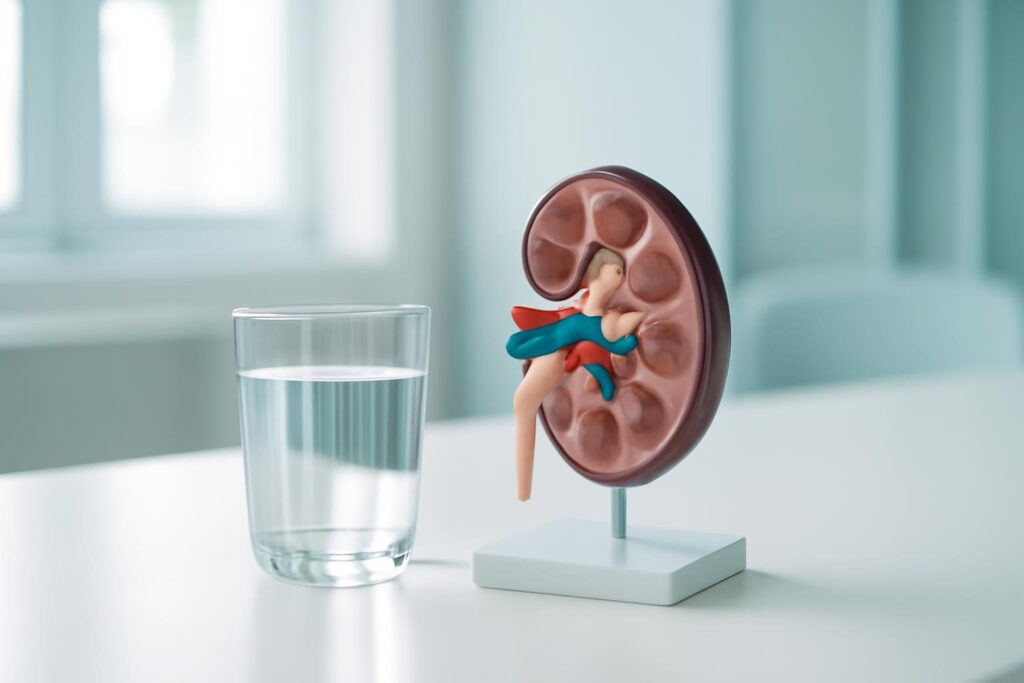
Dr Francisco Salcido-Ochoa is a nephrologist and immunologist who runs the Francisco Kidney & Medical Centre at Mount Elizabeth Novena. He graduated in medicine from the National Autonomous University of Mexico and completed a Master of Science in immunology and a PhD on transplantation tolerance and immunoregulation at Imperial College London.
He trained in nephrology at Singapore General Hospital, where he spent about ten years and subspecialised in kidney transplantation. He has also served as a visiting consultant at the National Kidney Foundation in Singapore.
His practice focuses on kidney transplantation, transplant immunology and the medical management of chronic kidney disease.
Clinical focus
Kidney transplant & transplant immunology.
Qualifications (as publicly listed)
MD (Mexico), MRCP (UK), MSc Immunology (UK), PhD (UK).
Where they practise
- Clinic / practice: Francisco Kidney & Medical Centre (see our clinic listing) — Mount Elizabeth Novena, Novena
- Hospital / training affiliation(s): Mount Elizabeth Novena Hospital
Getting to the clinic
The Francisco Kidney & Medical Centre is at Mount Elizabeth Novena, in the Novena medical cluster. The most convenient way to arrive by public transport is the MRT: Novena station (NS20 on the North-South Line) is a short walk away, with sheltered links to the surrounding medical buildings on and around Irrawaddy Road. From the station you can reach the centre on foot in a few minutes.
Concerned about your kidney health or your blood-test results?
Looking for the right kidney transplant specialist, or want help comparing your options? Message our care team on WhatsApp — free, with no obligation.
Chat with our care team on WhatsAppNot sure who to see? Find the right specialist →
In a medical emergency, or for severe or sudden symptoms such as breathing difficulty, chest pain, fainting or stroke signs, call 995 immediately.
Buses serving Thomson Road and the Novena area stop nearby, and the location is easy to reach by taxi or ride-hailing, with a sheltered drop-off and a paid visitor car park at Mount Elizabeth Novena. As kidney and transplant follow-up often involves repeat visits, it is worth noting the most direct route and allowing extra time during weekday peak hours when the Novena health-care precinct is busy.
What kidney transplant and transplant immunology cover
Nephrology is the medical specialty of the kidneys, and this practice subspecialises in kidney transplantation and transplant immunology, alongside the medical management of chronic kidney disease. A kidney transplant places a healthy donor kidney into a person whose own kidneys have failed, offering an alternative to long-term dialysis. Transplant care covers assessing suitability, evaluating potential living donors, preparing for the operation and providing long-term follow-up.
Transplant immunology is the study of how the immune system responds to a transplanted organ. Because the body may recognise a new kidney as foreign, anti-rejection medication is used to protect it, and careful management is needed to balance preventing rejection against side effects and infection risk. An interest in transplant immunology supports a detailed, individualised approach to this balance. The practice also manages chronic kidney disease more broadly, helping to slow progression and manage complications.
What to expect at a consultation
A first consultation usually begins with a discussion of your symptoms, medical history and any existing kidney problems or transplant. The nephrologist will examine you, including blood pressure and fluid status, and review previous blood and urine results and any transplant or imaging records you bring.
For transplant assessment, the evaluation is detailed and may involve a series of tests for the recipient and any potential living donor, including immunological matching. For general kidney concerns, investigations such as blood tests, urine tests and imaging may be arranged. The doctor will then explain the findings and outline a plan, whether that involves transplant work-up, medication management or ongoing monitoring, and you will have the opportunity to ask questions.
Preparing for your appointment
To help the consultation be productive, bring the following:
- Photo identification and any insurance details.
- A referral letter from your GP, polyclinic or hospital, if you have one.
- Recent kidney-related blood and urine results, and any imaging or transplant reports.
- A full list of medications and supplements, including any anti-rejection medication if you have had a transplant.
- A written list of symptoms and questions, and recent home blood-pressure readings if you record them.
If a living-donor transplant is being considered, bringing the potential donor’s relevant medical information where available can help with planning.
After your consultation and follow-up
Kidney and transplant care are long-term, so follow-up visits are used to monitor kidney function, blood pressure and, after a transplant, the health of the new kidney and the immunosuppression regimen. Test results are reviewed at these visits, and reports can be shared with your GP and other specialists for coordinated care. Transplant follow-up is typically lifelong, with the interval adjusted over time.
Seek prompt medical attention if you develop fever, reduced urine output, marked swelling or other concerning symptoms, particularly after a transplant when infection and rejection are key considerations. You are entitled to seek a second opinion about your treatment or transplant suitability if you wish.
Booking, referrals and fees
Private specialists can usually be seen without a referral, though a GP or polyclinic referral may help if you are seeking subsidised care in the public system. In Singapore, MediSave, MediShield Life and Integrated Shield Plans may apply to eligible procedures and treatments within set limits, while outpatient consultations are generally paid out of pocket. Confirm the expected fees and what your insurance or MediSave may cover directly with the clinic.
Common questions
What is transplant immunology?
Transplant immunology is the study of how the immune system reacts to a transplanted organ. It underpins the use of anti-rejection medication to protect a transplanted kidney while managing risks.
How is rejection of a transplanted kidney prevented?
Anti-rejection (immunosuppressive) medication is used to reduce the chance of the body rejecting the new kidney. It requires careful, ongoing management balanced against infection and side-effect risk.
Can I have a transplant instead of dialysis?
For suitable patients, a transplant can be an alternative to long-term dialysis, but suitability depends on individual factors that are assessed during a transplant work-up.
How long does follow-up after a transplant continue?
Follow-up after a kidney transplant is lifelong, typically more frequent early on and then spaced out, to monitor the kidney and adjust medication over time.
Related guides
Sources & verification
See also: our editorial directory of nephrologists (kidney specialists) in Singapore and our shortlist of nephrology clinics.
This is an independent, factual profile compiled from the public sources listed above — not a paid listing, advertisement or endorsement. Details can change; always verify a doctor’s current registration on the Singapore Medical Council public register and confirm specifics directly with the clinic. This page is general information, not medical advice or a recommendation of any individual practitioner. See our editorial policy.
Don’t agree with this listing? If this is your profile and you’d like the details corrected, updated or removed — or you’d like to be featured — please reach out to us or use our contact form. We’ll sort it out quickly.