
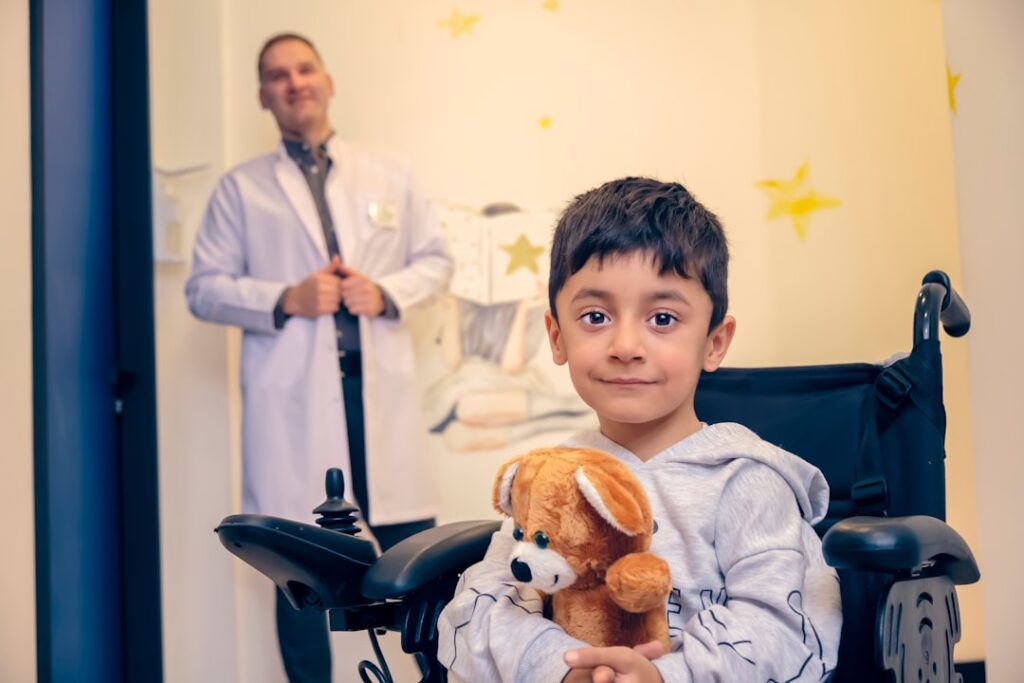
Quick answer. Bring your child for their first dental visit when the first tooth appears or by their first birthday, whichever is earlier. Baby teeth matter: they help chewing, speech and hold space for adult teeth, so decay should not be ignored. Prevent cavities by brushing twice daily with fluoride toothpaste (a smear/500–550ppm for under-6s, more for older children), limiting sugary drinks and snacks, and avoiding bottles of milk or juice at bedtime. Singapore’s school dental service (Youth Preventive Dental Service) gives free basic dental care for citizen students. See a paediatric dentist for young, anxious or special-needs children. CHAS subsidies also help with children’s care at participating clinics.
Troubled by tooth pain, gum problems or a dental concern?
Message our care team on WhatsApp. Tell us what’s going on and we’ll help you find the right best dental clinic — free, with no obligation.
Chat with our care team on WhatsAppNot sure who to see? Find the right specialist →
In a medical emergency, or for severe or sudden symptoms such as breathing difficulty, chest pain, fainting or stroke signs, call 995 immediately.
Good dental habits start early. Even before all the baby teeth come through, parents can lay the foundation for a healthy, cavity-free smile. Tooth decay is one of the most common childhood conditions, but it is largely preventable with the right routine and timely dental visits.
This guide covers when to schedule the first dental visit, why baby teeth matter, how to prevent decay, Singapore’s school dental service, common childhood dental issues, when to see a paediatric dentist, and subsidies such as CHAS for children.
At a glance
| Age group | Fluoride toothpaste | Amount |
|---|---|---|
| Under 3 years | Children's fluoride toothpaste (around 500–550 ppm) | A thin smear |
| 3 to 6 years | Children's fluoride toothpaste (around 500–550 ppm) | A pea-sized amount |
| 6 years and older | Standard fluoride toothpaste (around 1000–1500 ppm) | A pea-sized amount |
When should my child first see a dentist?
The recommended time for a child’s first dental visit is when the first tooth erupts, or by their first birthday – whichever comes first. Baby teeth usually start appearing around 6 months, and all 20 are typically through by about age 3.
An early visit lets the dentist check development, spot early decay, advise on toothpaste and feeding habits, and help your child feel comfortable at the dentist. Early, positive experiences reduce dental anxiety later on.
Why baby teeth matter
It is a myth that baby teeth don’t matter because they fall out. Baby (milk) teeth are important for:
- Chewing and nutrition – healthy teeth help children eat a varied diet
- Speech development – teeth help form sounds clearly
- Holding space – they guide the adult teeth into the right position
- Confidence and comfort – decayed teeth can cause pain, infection and missed school
Losing baby teeth too early to decay can lead to crowding and bite problems in the adult teeth.
Preventing tooth decay
Early Childhood Caries (tooth decay in young children) is common but largely preventable:
- Brush twice a day with a fluoride toothpaste – a smear for under-3s, a pea-sized amount from age 3, using a higher-fluoride toothpaste from about age 6. Help or supervise brushing until your child can do a thorough job alone.
- Limit sugar: reduce sweets, sweet drinks and frequent snacking. Offer water rather than juice or soft drinks.
- Avoid bedtime bottles of milk or juice, which bathe the teeth in sugar overnight.
- Fluoride and sealants: dentists may apply fluoride varnish or fissure sealants to protect teeth.
- Keep up regular dental check-ups.
The school dental service
Singapore’s Youth Preventive Dental Service (YPDS) provides free basic dental care to citizen students through school dental clinics and mobile dental clinics. It covers selected primary and secondary levels and includes oral examination, oral health education, scaling, fillings, simple extractions and preventive treatments such as fissure sealants.
Treatment is free for citizen students (permanent residents and non-residents may pay fees). Parental consent and a brief health questionnaire are required, and more complex care may be referred to a clinic or specialist.
Common issues and seeing a paediatric dentist
Common childhood dental issues include tooth decay, dental trauma from falls, thumb-sucking effects, delayed or crowded teeth, and early bite problems. A paediatric dentist is specially trained to care for infants, children and teenagers, and is especially helpful when:
- Your child is very young, very anxious or uncooperative
- There is extensive decay, infection or dental trauma
- Your child has special needs or a medical condition
KK Women’s and Children’s Hospital (KKH) and NDCS provide paediatric dental services, and many private clinics offer children’s dentistry. Eligible families can also use CHAS subsidies for children at participating clinics.
Making the first visit go smoothly
A relaxed first visit sets the tone for years to come. Try to book a morning appointment when your child is rested, talk about the dentist positively rather than as something scary, and avoid words like “pain” or “injection”. Let young children sit on your lap if the clinic allows it. The first visit is often short and gentle – a look in the mouth, a count of the teeth, and advice on brushing and feeding – designed to build familiarity rather than to do treatment. Reading a picture book about visiting the dentist beforehand can help an anxious child know what to expect.
Helping an anxious child
- Practise “opening wide” and brushing as a game at home.
- Stay calm yourself; children pick up on a parent’s anxiety.
- Praise cooperation afterwards rather than promising sugary rewards.
- Consider a paediatric dentist, who is specially trained to put young or nervous children at ease.
Common questions
My child’s baby teeth will fall out anyway – do cavities matter?
Yes. Baby teeth help with chewing, speech and guiding adult teeth into place. Decay can cause pain and infection and lead to crowding when lost too early.
How much toothpaste should I use?
Use a thin smear of fluoride toothpaste for children under three and a pea-sized amount from age three, supervising brushing until your child can do it well alone.
Is there subsidised dental care for children?
Citizen students receive free basic care through Singapore’s school dental service (Youth Preventive Dental Service), and eligible families can use CHAS subsidies at participating clinics.
Related guides
- Best Dental Clinics in Singapore — our editorial shortlist
- dental clinics directory
- Dentures
- Crowns & bridges
- Dental emergencies & toothache
Sources
- HealthHub – Paediatric Dentistry: Child's First Visit
- HealthHub – Youth Preventive Dental Service (school dental)
- KK Women's and Children's Hospital – Dental Service
- CHAS – Dental Subsidies
Part of our Children’s health guides · Browse all health topics