
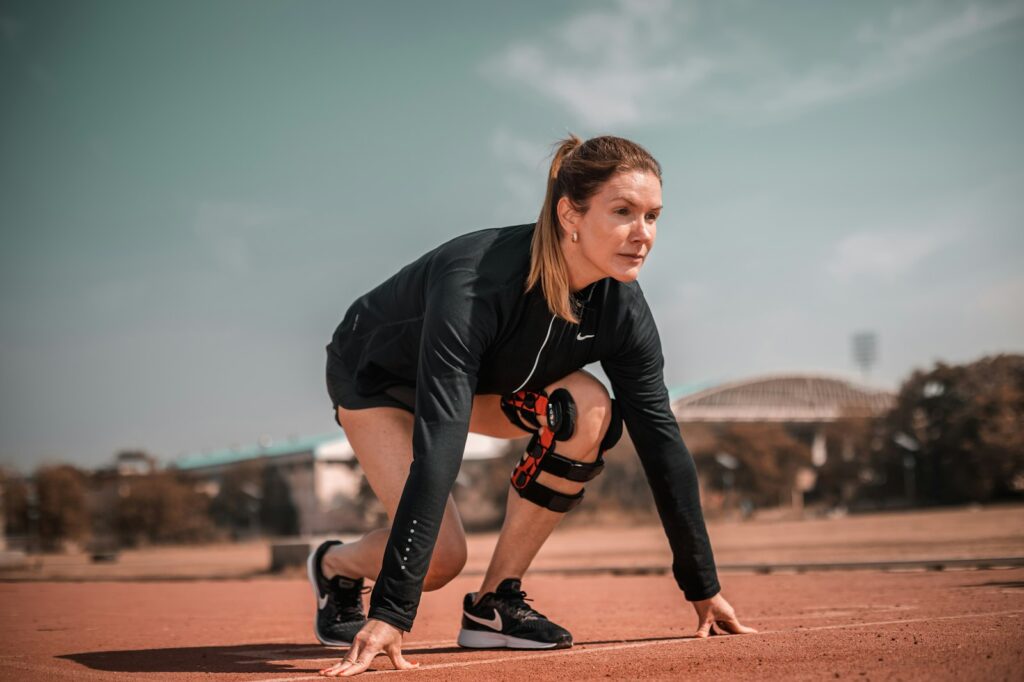
Quick answer. An ACL tear is a common knee injury in which the anterior cruciate ligament – one of the main stabilising ligaments inside the knee – is stretched or torn, usually during a sudden stop, pivot, twist or awkward landing in sports like football, basketball, netball and skiing. Many people feel or hear a “pop,” followed by rapid swelling and a knee that feels unstable or “gives way.” Not every ACL tear needs surgery – the right treatment depends on your age, activity level and how unstable the knee feels.
Living with joint, back or bone pain that won’t settle?
Message our care team on WhatsApp. Tell us what’s going on and we’ll help you find the right orthopaedic surgeon — free, with no obligation.
Chat with our care team on WhatsAppNot sure who to see? Find the right specialist →
In a medical emergency, or for severe or sudden symptoms such as breathing difficulty, chest pain, fainting or stroke signs, call 995 immediately.
The key point: an ACL tear is not an automatic ticket to the operating theatre. It’s an individualised decision, made with your surgeon and physiotherapist, based on how you use your knee.
What the ACL is and what it does
The knee is held together by four main ligaments. The anterior cruciate ligament is one of two that cross in the centre of the joint. Its job is to keep the knee stable – it stops the shin bone (tibia) sliding too far forward under the thigh bone (femur) and helps control rotation and pivoting. When it tears, the knee can lose this rotational control, which is why people describe it as feeling loose or “giving way,” particularly when they turn, twist or change direction quickly.
An ACL injury can range from a partial tear, where some fibres remain intact, to a complete tear, where the ligament is fully disrupted. The type of tear, how unstable the knee feels afterwards, and whether other structures are damaged all shape the treatment plan. Because the ligament sits deep inside the joint with a limited blood supply, a torn ACL does not usually heal back to full strength on its own – which is why rehabilitation, and sometimes surgery, is so important.
How an ACL tear happens
Many ACL injuries are non-contact – caused by the athlete’s own movement rather than a collision. Typical mechanisms include suddenly slowing down and changing direction (cutting), pivoting with the foot planted, landing awkwardly from a jump, or twisting the knee while the foot stays fixed. Others follow a direct blow to the knee, for example a tackle or a fall. Sports that involve frequent cutting, pivoting, jumping and sudden stops – football, basketball, netball and skiing among them – carry the highest risk.
Several factors can raise the chance of an ACL tear. Movement patterns and landing technique matter, and fatigue, poor conditioning, worn footwear and playing surface can all play a part. Some groups are also at higher risk than others in the same pivoting sports, thought to reflect differences in anatomy, hormones and neuromuscular control – which is one reason targeted training programmes are so valuable.
Symptoms
- A “pop” or snapping sensation felt or heard at the time of injury;
- Rapid swelling, usually within a few hours, from bleeding into the joint (haemarthrosis);
- Pain, often too much to continue playing or training;
- A feeling that the knee is unstable or “gives way,” especially when turning or pivoting;
- Reduced movement – difficulty fully bending or straightening the knee – and trouble bearing weight.
Not everyone has every symptom, and a partial tear may cause milder instability. If the knee locks, catches or cannot be straightened at all, another structure may be trapped inside the joint and needs prompt assessment.
Associated injuries
An ACL tear rarely happens alone. The same twist or impact can damage other structures at the same time – most commonly the meniscus (cartilage) tear that cushions the joint, but also the surface (articular) cartilage, bone (seen as bruising on a scan), or one of the other knee ligaments. These associated injuries can influence both symptoms and treatment: a torn meniscus that locks the knee, or damage to more than one ligament, may make surgery more likely and changes how rehabilitation is planned. Identifying them early is one of the main reasons a proper examination and imaging matter after a significant knee injury.
How it is diagnosed
A doctor takes a history – the “pop,” the swelling and the sense of instability are all clues – and examines the knee with hands-on stability tests such as the Lachman and anterior drawer tests, comparing the injured knee with the other side. An MRI scan is usually used to confirm the tear and look for associated meniscus, cartilage and ligament damage, which helps guide the plan. X-rays do not show the ligament itself but may be done to rule out a fracture, particularly if the injury was forceful or weight-bearing is very painful. Early swelling and guarding can make the first examination difficult, so a review once the knee has settled is sometimes needed.
Treatment: non-surgical vs surgical
Treatment is individualised – an ACL tear does not automatically mean surgery. Whichever path is chosen, early care aims to settle pain and swelling, protect the joint and restore movement before building strength.
- Non-surgical (rehabilitation): a structured physiotherapy programme to restore movement, rebuild quadriceps and hamstring strength, and retrain balance and control, often with activity modification and sometimes a brace. This can work well for people who are less active, for some partial tears, or for those whose knee feels stable in daily life and who do not need to return to high-demand pivoting sports.
- Surgical (reconstruction): the torn ligament is usually reconstructed with a graft (commonly the patient’s own hamstring or patellar tendon) rather than simply stitched, because a directly repaired ACL tends to fail. Reconstruction is generally considered for younger, active people, for athletes wanting to return to cutting and pivoting sports, and for those with ongoing instability or significant associated injuries.
The decision is made together with the specialist, weighing your age, activities, goals and how the knee behaves day to day. There is no single right answer that suits everyone.
Recovery and rehabilitation
A structured, gradual rehabilitation programme is essential whether or not surgery is done. Early on, the focus is on reducing swelling, regaining a full range of movement and reactivating the thigh muscles. From there, rehabilitation progresses through strengthening, balance and control work, and gradually more demanding, sport-specific movements such as running, jumping, landing and changing direction.
Returning to sport takes time and should be guided rather than rushed. Progress is usually judged by how the knee performs – its strength, stability and confidence – rather than the calendar alone, and returning before the knee is ready raises the risk of re-injury or, after surgery, of re-tearing the graft. Working with a physiotherapist or sports physician to set clear milestones, and staying consistent with the home exercise programme, gives the best chance of a durable recovery.
Prevention
Structured neuromuscular training and warm-up programmes can reduce the risk of ACL injury. These teach better jumping, landing and cutting technique, and build strength, balance and control through exercises for the hips, thighs and core. A thorough warm-up before pivoting sport, sensible progression of training load, and good conditioning all help. Such programmes are especially valuable for those at higher risk in cutting and pivoting sports, and are worth building into regular team training rather than saving for after an injury.
When to see a doctor
See a doctor promptly if you injure your knee and notice a “pop,” rapid swelling, significant pain, or a feeling that the knee is unstable or “gives way” – particularly if you cannot bear weight or fully straighten the knee. In Singapore you can start with a GP or a sports physician, who can arrange imaging and referral; early assessment identifies associated injuries and guides the best plan. Reliable general information is also available on HealthHub.
Seek urgent care – go to A&E – if the knee looks obviously deformed, you cannot bear any weight or move the joint, the knee is locked and will not straighten, or the lower leg becomes cold, pale or numb, as these need immediate attention. An orthopaedic surgeon or sports physician can then advise on rehabilitation versus reconstruction.
Related bone, joint & muscle topics
- Herniated (slipped) disc
- Spinal stenosis
- Ankle sprain
- Achilles tendon injuries
- Bunion (hallux valgus)
- Golfer’s elbow
- Stress fracture
- Shoulder dislocation
- Osteomyelitis (bone infection)
- Tennis elbow
- Sciatica
- Orthopaedic surgeons in Singapore
Sources
- OrthoInfo (AAOS) — ACL injuries; and “ACL injury: does it require surgery?”: anatomy, symptoms, reconstruction, individualised surgical decision.
- StatPearls (NCBI) — anterior cruciate ligament injury: mechanism, haemarthrosis, exam tests, higher-risk groups.
- Hospital for Special Surgery — ACL tear: symptoms, diagnosis and treatment.
- OrthoInfo / clinical references — return-to-sport guidance (a range, not a promise).