
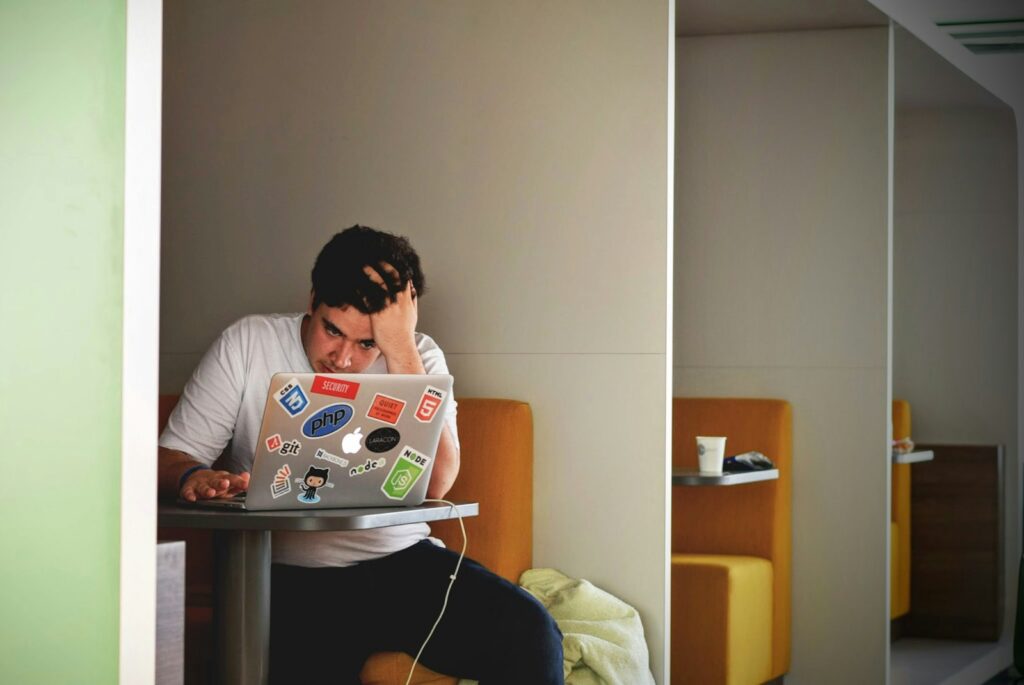
Workplace mental health is about feeling able to cope with the normal pressures of work, work productively and stay connected — and it is shaped by how work is designed and managed, not just by the individual. Work-related stress is the harmful reaction when demands exceed a person’s ability to cope (different from healthy, motivating pressure). Poor workplace mental health is common and usually improves when the underlying pressures and support are addressed. This guide covers prevention and workplace factors; for the clinical end-state, see our stress and burnout guide.
Not sure which gp clinic you need?
Message our care team on WhatsApp. Tell us what’s going on and we’ll help you find the right gp clinic — free, with no obligation.
Chat with our care team on WhatsAppNot sure who to see? Find the right specialist →
In a medical emergency, or for severe or sudden symptoms such as breathing difficulty, chest pain, fainting or stroke signs, call 995 immediately.
For persistent low mood, hopelessness, or thoughts of self-harm, seek help urgently. In Singapore, the Samaritans of Singapore (SOS) are on 1767 and mindline.sg (national mindline 1771) offers 24-hour support; call 995 for immediate danger to life. Asking for help early is a strength, and it works.
What it is
Work-related stress is the adverse reaction people have to excessive pressures or other demands at work. It helps to distinguish pressure — which is normal and can be motivating — from stress, which becomes harmful when demands outstrip a person’s ability to cope. Poor workplace mental health is not a personal failing; it is strongly influenced by the work environment. Burnout, a specific syndrome of exhaustion, cynicism and reduced effectiveness from chronic unmanaged stress, is the clinical end-state covered in our separate guide.
What contributes to it
A useful way to see the causes is through six workplace factors: demands (workload, patterns and environment), control (how much say a person has over their work), support (information, resources and encouragement from managers and colleagues), relationships (conflict, and being bullied or harassed), role (understanding one’s responsibilities and avoiding conflicting demands), and change (how well organisational change is managed). Long hours, job insecurity, unclear or conflicting roles, work-life imbalance and shift work add to these. Because individual factors such as skills, experience and health affect how someone copes, the same job affects people differently — a reason not to judge.
Signs to notice
In yourself or a colleague, watch for feeling overwhelmed, anxious, irritable or low, loss of motivation or confidence, and withdrawal; poor concentration, indecision, forgetfulness and more mistakes; trouble sleeping or ruminating about work at night; physical symptoms such as headaches, tension, fatigue, gut upset and appetite changes; and behavioural signs like working excessively long hours, skipping breaks, or increased alcohol or caffeine use. These are common and usually improve when the underlying pressures and support are addressed.
What individuals can do
Set and protect boundaries, with realistic switch-off times and managing after-hours notifications where possible; take regular breaks during the day and do not skip lunch; protect sleep with a consistent routine and a wind-down, which matters even more for shift workers; keep physically active and get outdoors, since even short walks help mood and sleep; and stay connected with trusted colleagues, friends and family, because isolation worsens stress. Above all, talk to someone early — a manager, HR, a GP or a trusted person — rather than waiting for a crisis, and use your Employee Assistance Programme (EAP) if your employer offers one.
What employers and managers can do
Employers can treat mental wellbeing as a workplace health-and-safety issue, assessing and managing psychosocial risk rather than leaving it to individuals. That means managing workload and demands realistically, giving people appropriate control over how they work, providing support, clear roles and well-managed change, and building a culture where people can speak up without fear — training managers to notice signs and have supportive conversations, and acting on bullying and harassment. Offering and publicising EAPs and clear routes to help, making flexible arrangements accessible, and leading by example on breaks and reasonable hours all make a difference.
Reducing stigma
Stigma is one of the biggest barriers to getting help, so it is worth being clear: mental health is health, anyone can be affected, and seeking support is proactive rather than weak. EAP and counselling are confidential, and asking for support does not damage a career. Peer support and open, supportive conversations with managers do the most to reduce stigma and to help people reach out before problems deepen.
Getting help in Singapore
Seek help urgently for persistent low mood, hopelessness, a sense that things will not improve, or any thoughts of self-harm or suicide, and treat immediate danger to life as a 995 emergency or go to the nearest A&E. The Samaritans of Singapore (SOS) are on 1767 around the clock, or CareText on 9151 1767 via WhatsApp, and mindline.sg (national mindline 1771) offers 24-hour support and resources. At a workplace level, Singapore’s Tripartite Advisory on Mental Well-being at Workplaces guides employers to support employees’ mental wellbeing, reduce stigma and provide support channels, and HPB and HealthHub offer further resources. Help is available, effective and confidential. The most hopeful thing to hold onto is that work-related stress is not a fixed feature of a job or a flaw in a person — it usually eases once the underlying pressures are recognised and the right support is in place, whether that is a workload conversation, a period of flexibility, or professional help. Reaching out early, before things reach a crisis, is both the kindest thing you can do for yourself and the most effective.
Related occupational & workplace-health topics
- Occupational health screening
- Work-related musculoskeletal disorders
- Office ergonomics
- Hand-arm vibration syndrome
- Heat stress at work
- Needlestick & sharps injuries
- Occupational eye injuries
- Return to work after injury
- Occupational asthma
- Occupational lung disease
- GP clinics in Singapore
Sources
- HSE — Work-related stress and the Management Standards: hse.gov.uk
- Samaritans of Singapore (SOS): sos.org.sg
- mindline.sg: mindline.sg