
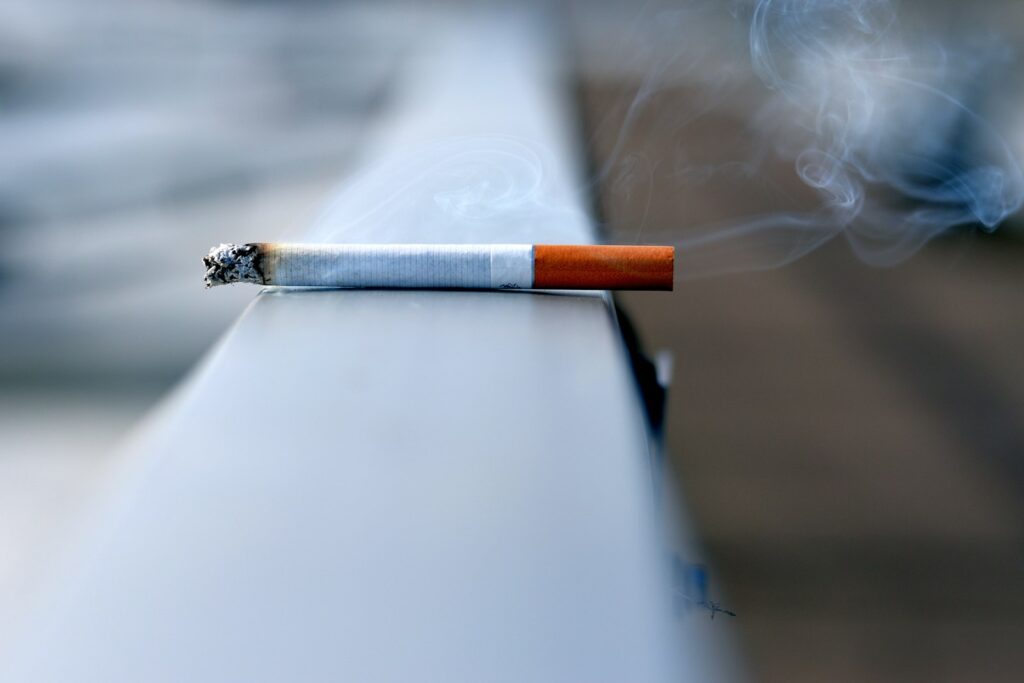
Quick answer: Secondhand smoke is the tobacco smoke you breathe in from other people’s cigarettes. It carries the same harmful chemicals as smoking itself, so there is no completely safe level of exposure. Over time it raises the risk of heart disease, stroke and lung cancer in adults, and it is especially harmful to babies and children. The single most effective step is to keep your home and car completely smoke-free. If a child has frequent chest infections or worsening asthma, or an adult develops new breathing symptoms, see a GP. Call 995 for severe breathing difficulty.
Not sure which specialist you need?
Message our care team on WhatsApp. Tell us what’s going on and we’ll help you find the right specialist — free, with no obligation.
Chat with our care team on WhatsAppNot sure who to see? Find the right specialist →
In a medical emergency, or for severe or sudden symptoms such as breathing difficulty, chest pain, fainting or stroke signs, call 995 immediately.
You do not have to smoke to face the harms of tobacco. Breathing in other people’s cigarette smoke, often called passive or secondhand smoke, exposes you to a mixture of harmful and cancer-causing chemicals. This guide explains what secondhand smoke is, how it affects adults, children and pregnancy, and the practical steps that make the biggest difference at home and in the car. Singapore has extensive smoke-free public spaces, but much exposure still happens in private settings where the choice is yours to make.
What secondhand smoke is
Secondhand smoke is made up of two things: the smoke that drifts from the burning tip of a cigarette, and the smoke that a smoker breathes out. When you are near someone who is smoking, you inhale this mixture. It contains many of the same harmful and cancer-causing substances that a smoker takes in, which is why health authorities agree there is no completely safe level of exposure. Simply being in a smoky room means you are breathing these chemicals too.
There is also what is sometimes called “thirdhand smoke” — the sticky residue that tobacco smoke leaves behind on walls, furniture, curtains, carpets, clothing and car seats. This residue can linger long after the cigarette is out and the visible smoke has cleared, and it can be picked up again by touch or breathed in, which is a particular concern for crawling babies and young children.
Health effects in adults
Regular exposure to secondhand smoke affects the heart and blood vessels, raising the risk of heart disease and stroke over time. It also increases the risk of lung cancer in people who have never smoked themselves. For those who already live with a lung condition such as asthma or chronic obstructive pulmonary disease, breathing in someone else’s smoke can trigger symptoms and make the condition harder to control. Even shorter exposures can cause eye irritation, coughing, a sore throat and wheezing. The general pattern is clear: the less secondhand smoke you breathe, the lower your risk.
Why children are especially vulnerable
Children are more affected by secondhand smoke than adults. Their airways are smaller, they breathe faster, and their lungs and immune systems are still developing. Children who live with smokers tend to have more coughs, colds and chest infections, and those with asthma often have more frequent and more severe attacks. Secondhand smoke is also linked to ear infections and a build-up of fluid in the middle ear, sometimes called “glue ear”, which can affect hearing. In babies, exposure to tobacco smoke is associated with a higher risk of sudden infant death syndrome (cot death). Because children cannot choose their surroundings, keeping their air clean is entirely down to the adults around them.
Effects in pregnancy
When a pregnant woman breathes in secondhand smoke, the harmful chemicals can reach the developing baby. Exposure during pregnancy is linked with problems in the baby’s growth and development and with a greater chance of complications. Protecting expectant mothers from other people’s smoke — at home, in the car and in social settings — is an important way to give the baby the healthiest possible start, alongside the mother avoiding smoking herself.
Where exposure happens and how to reduce it
For most people, the biggest sources of secondhand smoke are the home and the car, because these are enclosed spaces where smoke builds up. The most effective step is to make both completely smoke-free. It is worth knowing that opening a window, running a fan, using air-conditioning or smoking in another room does not remove the risk: the chemicals still spread through the air and settle on surfaces throughout the space. A genuinely smoke-free rule — no smoking anywhere indoors or in the car — is the only approach that reliably protects everyone inside.
In Singapore, smoking is banned in a wide range of public places, including indoor areas, many outdoor and public spaces, and around some residential and recreational settings, which helps limit exposure when you are out and about. That makes the private spaces you control — your flat, your car and gatherings with family and friends — the places where your own choices matter most.
Protecting children and family
A few practical habits go a long way. Ask everyone to smoke outside, well away from doors, windows and children, rather than anywhere indoors. Keep the car completely smoke-free at all times, even when children are not in it, because residue lingers. Choose smoke-free environments for family outings and let visitors know your home is smoke-free. If someone has been smoking, changing out of smoky clothing before cuddling a baby can help reduce a child’s contact with residue. None of this needs to be confrontational; framing it as protecting the little ones usually makes the conversation easier.
Supporting a smoker to quit
The most powerful thing for a household is for the smoker to stop altogether — it protects the smoker’s own health and removes secondhand smoke for everyone at home. Quitting is hard, and support helps. In Singapore, the Health Promotion Board runs stop-smoking programmes and a quitline, and a GP or pharmacist can talk through the available options and arrange follow-up. Encouragement and patience tend to work far better than pressure or blame, and many people need more than one attempt before they succeed. Offering to help someone find support, rather than criticising them, is often the kindest and most effective approach.
When to see a doctor
See a GP if a child who is around smoke has frequent chest infections, a persistent cough, repeated ear infections or possible hearing problems, or asthma that seems to be getting worse or harder to control. Adults should get checked for new or persistent respiratory symptoms such as an ongoing cough, breathlessness, wheezing or coughing up blood. A doctor can assess symptoms, check for underlying conditions and advise on next steps. Call 995 or go to the nearest emergency department for severe breathing difficulty, blue lips, or a child struggling to breathe.
Common questions
Is opening a window enough to make a room safe?
No. Opening a window, using a fan or turning on the air-conditioning does not clear the harmful chemicals from the air, and it does nothing about the residue that settles on surfaces. The only reliable way to protect people is a completely smoke-free home and car.
What is thirdhand smoke?
Thirdhand smoke is the residue tobacco smoke leaves on walls, furniture, clothing and car seats. It can remain long after the smoke has gone and may be breathed in or picked up by touch, which is a particular concern for babies and young children who crawl and put things in their mouths.
Is smoking in another room safe for my children?
Unfortunately not. Smoke and its chemicals spread through the home and settle on surfaces, so smoking in a bedroom, bathroom or balcony still exposes others. Smoking outside, away from doors and windows, is far better for protecting the household.
Does vaping produce secondhand exposure too?
Vapes release an aerosol that others can breathe in, so it is not simply harmless water vapour. In Singapore, e-cigarettes and vaping products are prohibited. If you have questions about vaping or quitting, a GP can point you to appropriate help.
My relative won’t stop smoking. What can I do?
You can still protect your family by keeping your own home and car smoke-free and asking people to smoke outside. Gently encouraging your relative to seek support — through the Health Promotion Board or a GP — and offering to help them find it is more likely to work than pressure or blame.
Related guides
Sources
- Health Promotion Board
- HealthHub
- NHS
- World Health Organization
Important: This guide is general health information and is not a substitute for personalised medical advice. Please see a GP or qualified healthcare professional about your own or your child’s health. In an emergency, such as severe breathing difficulty, call 995 or go to your nearest emergency department.