
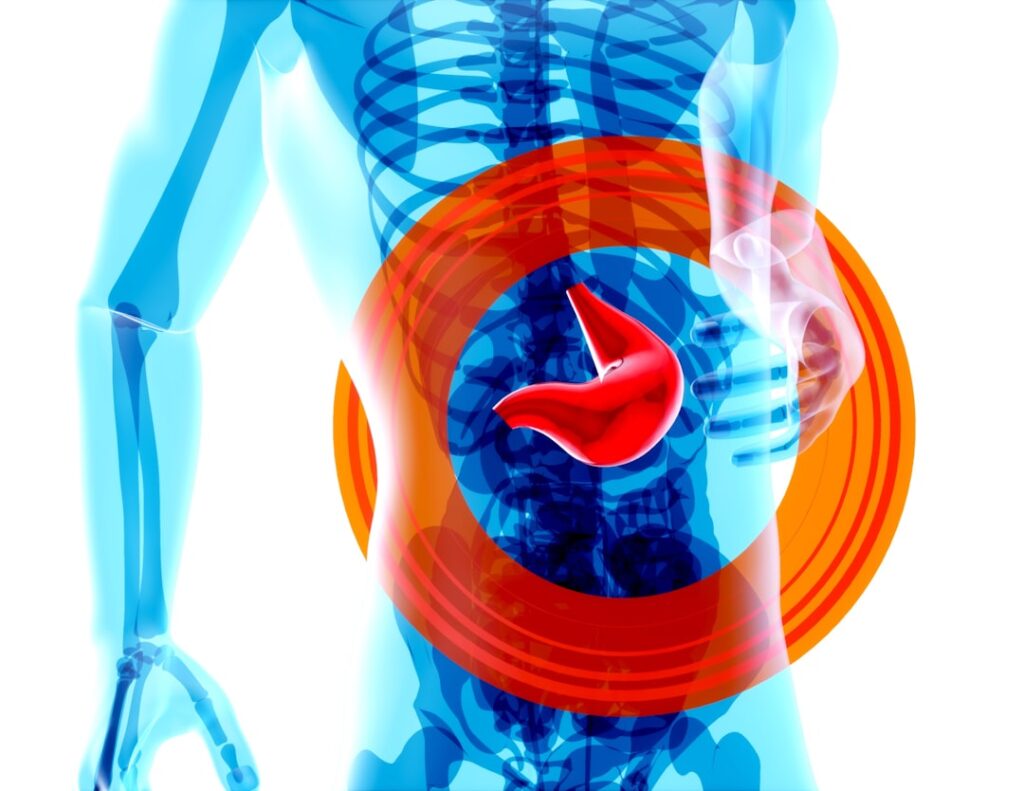
Quick answer. Pancreatitis is inflammation of the pancreas, causing severe upper abdominal pain that often radiates to the back, along with nausea and vomiting. Acute pancreatitis is a medical emergency – if you have severe constant abdominal pain with vomiting, go to A&E or call 995 now.
Ongoing tummy pain, reflux or a change in bowel habits?
Message our care team on WhatsApp. Tell us what’s going on and we’ll help you find the right best gastroenterologist — free, with no obligation.
Chat with our care team on WhatsAppNot sure who to see? Find the right specialist →
In a medical emergency, or for severe or sudden symptoms such as breathing difficulty, chest pain, fainting or stroke signs, call 995 immediately.
Pancreatitis means inflammation of the pancreas, the organ behind the stomach that makes digestive enzymes and the hormone insulin. It can come on suddenly and severely (acute pancreatitis) or develop slowly over years with lasting damage (chronic pancreatitis). The two most common causes worldwide, and in Singapore, are gallstones and heavy alcohol use.
This guide explains the difference between acute and chronic pancreatitis, the symptoms to recognise, how it is diagnosed and treated, and which specialist to see. Because acute pancreatitis can become life-threatening quickly, it also makes clear when you must seek emergency care without delay.
At a glance
| Feature | Acute pancreatitis | Chronic pancreatitis |
|---|---|---|
| Onset | Sudden, over hours | Gradual, over years |
| Pain | Severe, constant | Recurring or persistent |
| Main causes | Gallstones, alcohol | Long-term alcohol, repeated attacks |
| Risk | Can be life-threatening | Ongoing digestive & diabetes problems |
| Care | Emergency / A&E | Long-term specialist follow-up |
What is pancreatitis?
Pancreatitis is inflammation of the pancreas, a gland that sits behind the stomach. The pancreas releases enzymes that help digest food and hormones such as insulin that control blood sugar. When the pancreas becomes inflamed, these digestive enzymes can begin to damage the gland itself.
Acute pancreatitis comes on suddenly and, while many people recover within days, a minority become severely unwell and need intensive care. Chronic pancreatitis is long-term inflammation that gradually scars the pancreas, which can affect digestion and blood sugar control over time. It can affect adults of any age and is an important cause of severe abdominal pain seen in hospitals in Singapore.
Symptoms & signs
The main symptom of acute pancreatitis is sudden, severe pain in the upper abdomen. Symptoms can include:
- Severe, constant pain in the upper-middle abdomen, often spreading through to the back
- Pain that may ease slightly when leaning forward
- Nausea and vomiting
- Fever and a rapid heartbeat
- A swollen, tender abdomen
In chronic pancreatitis the pain may be recurring or persistent, and people may also notice weight loss, greasy or foul-smelling stools that are hard to flush (from poor fat digestion), and symptoms of diabetes if insulin production is affected.
Causes & risk factors
The two leading causes are gallstones (which can block the duct draining the pancreas) and heavy alcohol use. Other contributing factors include:
- Very high blood fat levels (triglycerides)
- High blood calcium
- Certain medicines
- Abdominal injury or recent surgery, or some procedures on the bile duct
- Smoking, which adds to the risk
- Less commonly, genetic and autoimmune causes
Reducing alcohol and stopping smoking are important steps for anyone who has had pancreatitis, to lower the chance of further attacks and long-term damage.
How it's diagnosed
Doctors usually diagnose acute pancreatitis from the symptoms combined with blood tests and imaging:
- Blood tests – raised pancreatic enzymes (amylase and lipase) strongly suggest pancreatitis
- Ultrasound – to look for gallstones as a cause
- CT or MRI scan – to assess the severity and check for complications
- Further tests – to investigate the cause, such as blood fat and calcium levels
For suspected chronic pancreatitis, specialised scans and tests of pancreatic function may be used to assess damage and how well the gland is working.
Treatment options
Acute pancreatitis is usually treated in hospital. Care focuses on supporting the body while the inflammation settles:
- Intravenous fluids, pain relief and close monitoring
- Resting the gut, then gradually reintroducing food
- Treating the cause – for example removing gallstones, often with surgery to take out the gallbladder, or a procedure to clear the bile duct
- Intensive care if the attack is severe
Chronic pancreatitis is managed long-term with pain control, enzyme supplements to aid digestion, treatment of diabetes if it develops, and strong advice to stop alcohol and smoking. Some people need procedures or surgery. Costs vary by hospital and procedure, so ask your provider for a written estimate.
When to see a doctor & which specialist
Acute pancreatitis is a medical emergency. If you have sudden, severe and constant pain in the upper abdomen, especially with vomiting, fever or a rapid heartbeat, go straight to A&E or call 995 – do not wait to see if it passes. Early hospital treatment can be life-saving.
For ongoing care, finding the cause, and managing chronic pancreatitis, the relevant specialist is a gastroenterologist (sometimes working alongside a surgeon). You can find one through our directory of best gastroenterologists in Singapore.
Recovery and reducing further attacks
After an episode of acute pancreatitis, recovery focuses on letting the gland settle and treating the underlying cause. If gallstones were responsible, your doctor may recommend removing the gallbladder to prevent another attack. Once you are eating again, smaller, lower-fat meals are often easier to tolerate at first. The single most important step for anyone who has had pancreatitis is to stop drinking alcohol completely and to stop smoking, as both raise the risk of further attacks and long-term damage. In chronic pancreatitis, enzyme supplements taken with meals can improve digestion, and blood sugar should be monitored in case diabetes develops.
Questions to ask your doctor
- What caused my pancreatitis, and how can I prevent another attack?
- Do I need my gallbladder removed?
- Should I take enzyme supplements or have my blood sugar checked?
- What diet and alcohol advice applies to me?
Common questions
Can pancreatitis come back?
Yes. Repeated attacks are possible, especially if the cause is not treated. Addressing gallstones, alcohol and smoking greatly lowers the risk.
Will MediSave or insurance help with hospital costs?
MediSave can be used for eligible hospital admissions and procedures within set limits, and MediShield Life helps protect Singapore Citizens and Permanent Residents against large hospital bills. Ask the hospital’s billing office for a written estimate.
Related guides
- Best Gastroenterology Clinics in Singapore — our editorial shortlist
- gastroenterology clinics directory
- Diverticulitis
- Crohn's disease
- Ulcerative colitis
- Coeliac disease
- Keratosis pilaris
Sources
- NHS – Acute pancreatitis
- NHS – Chronic pancreatitis
- Mayo Clinic – Pancreatitis
- SingHealth – Conditions & Treatments
Part of our Digestive, liver & gut guides · Browse all health topics